Iceland’s South Coast is a spectacular 400-kilometer stretch of Ring Road (Route 1) that runs from the capital region of Reykjavík eastward to the dramatic glacial vistas of Höfn. The region sits directly over a highly active tectonic zone, bordered by massive subglacial volcanoes like Eyjafjallajökull and Katla. The landscape is defined by Europe’s largest ice cap, Vatnajökull, which sends massive glacier tongues pouring down toward the ocean. The terrain shifts rapidly from bright green mossy lava fields to vast desert plains of black volcanic ash (sandurs) and jagged coastlines.
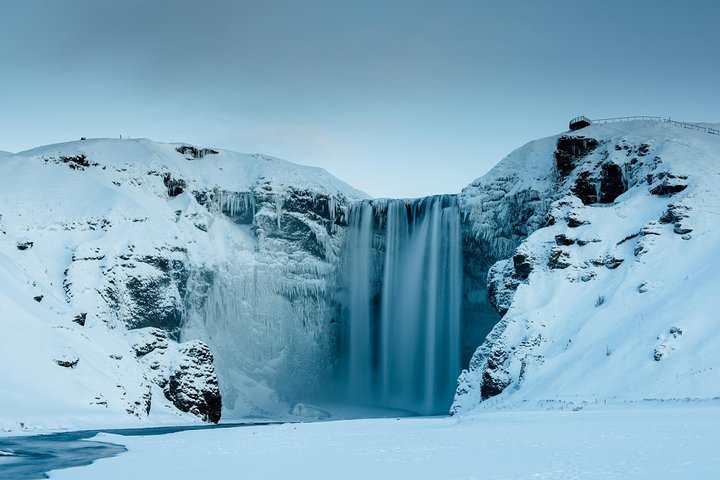
The South Coast is home to thunderous Waterfalls such as Seljalandsfoss, a unique chute where you can walk entirely behind the water veil, and Skógafoss, a giant 60-meter drop known for its vivid double rainbows. : The world-famous Reynisfjara Beach features towering geometric basalt columns, sea stacks, and powerful Atlantic waves. At Jökulsárlón Glacier Lagoon, massive electric-blue icebergs break off the glacier and float out to Diamond Beach, where they wash up on black sand like raw crystals. While some people do a single day trip of the South Coast from Reyjavik, doing a trip like this makes the experience feel rushed as it takes 4 to 5 hours of driving to reach attractions like the Glacier Lagoon.
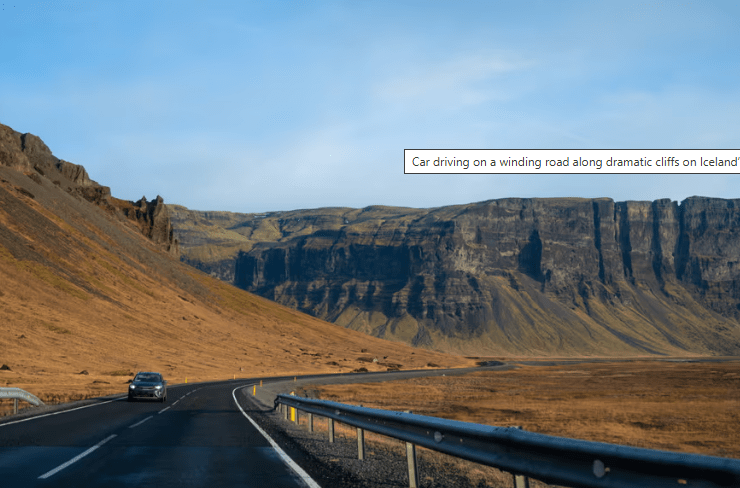
For this reason, a multi-day trip of the South Coast is preferred for some travelers who like to take their time exploring a region. The Roads are fully paved and easy to navigate in summer, but Winter brings extreme winds, black ice, and blowing snow, requiring a 4×4 vehicle. Summer (June-August) offers midnight sun and puffin viewing. Winter (October-March) features Northern Lights and natural blue ice cave tours.
Logistical Hubs in the South Coast
To plan an efficient multi-day tour of the South Coast, it is best to choose a combination of towns that match your itinerary’s pace. Because the main attractions are spread over 400 kilometers of the Ring Road, selecting strategic overnight bases keeps driving times reasonable and gives you easy access to both major sites and local services.
The top destinations along the South Coast that serve as ideal travel hubs include:
Western Hub: Selfoss or Hella / Hvolsvöllur
These towns sit at the beginning of the South Coast route and provide the greatest number of services, restaurants, and grocery stores.
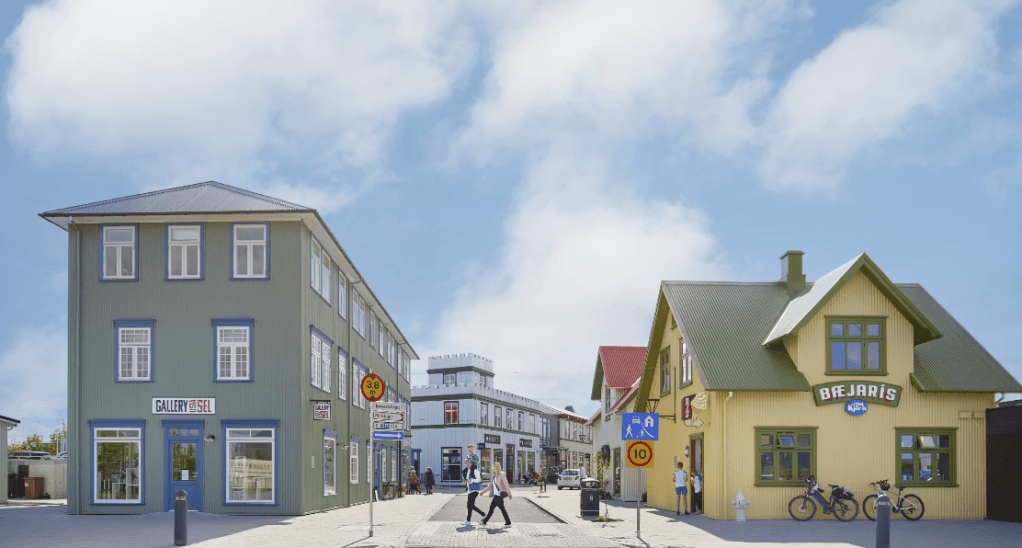
Location Strategy: Perfect for your first night if you are leaving Reykjavík late or combining the South Coast with the Golden Circle.
Nearby Sites: Seljalandsfoss, Skógafoss, and the Caves of Hella.
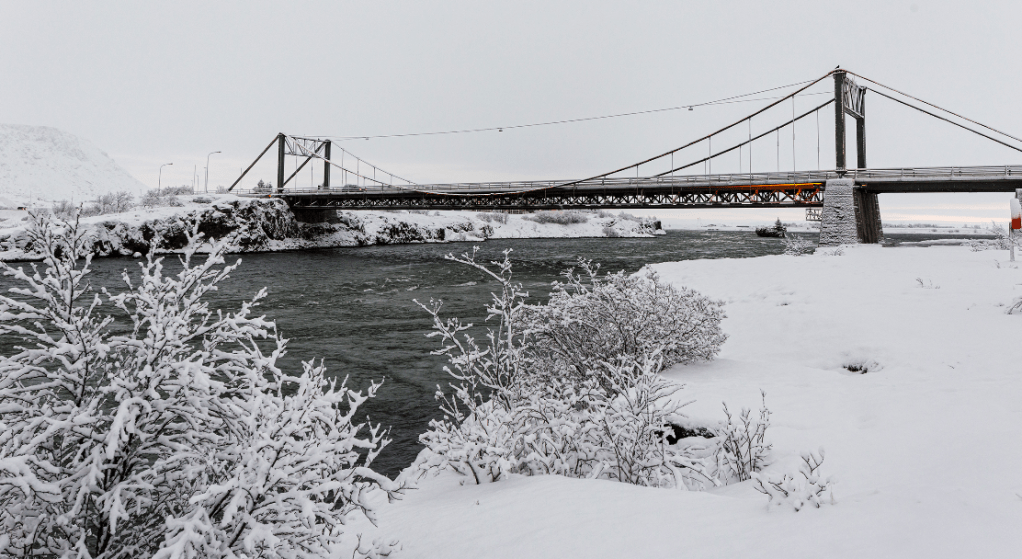
Hub Advantage: Excellent local amenities like the Hotel South Coast and the rebuilt, historic Selfoss town center.
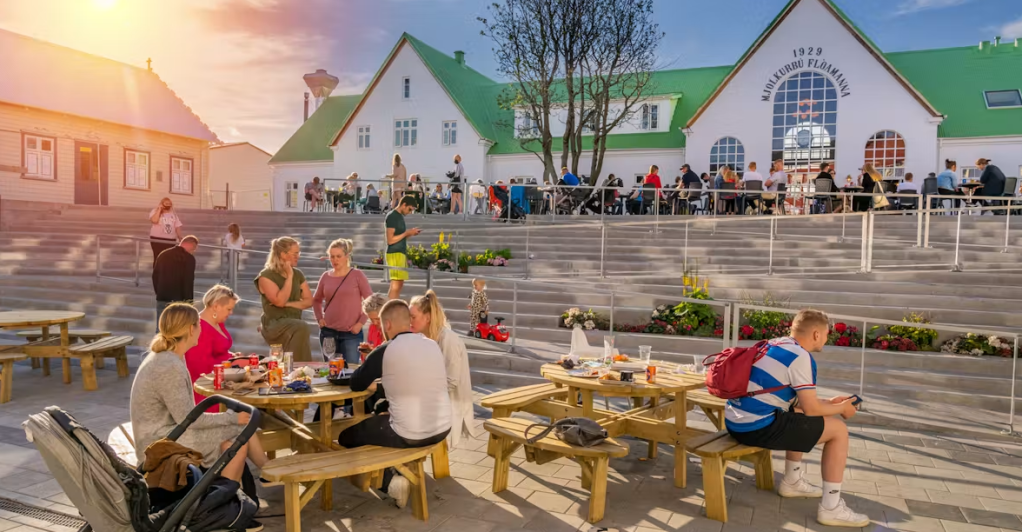
Central Hub: Vík í Mýrdal
Vík is the most popular and practical midpoint for any multi-day South Coast itinerary.
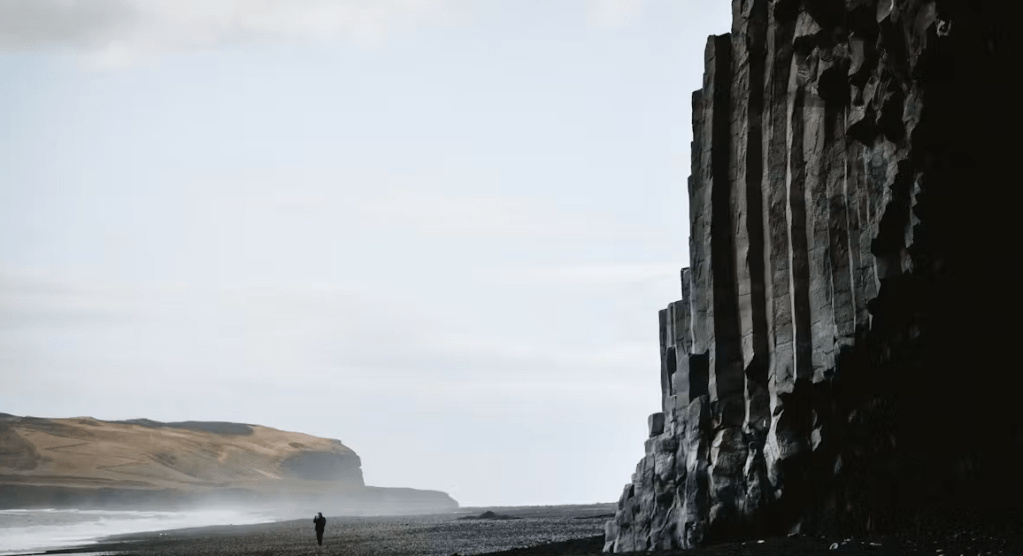
Location Strategy: Best for a one- or two-night stay to explore the dramatic coastlines and participate in adventure activities.
Nearby Sites: Reynisfjara Black Sand Beach, Dyrhólaey cliffs, and the Sólheimajökull glacier tongue.
Hub Advantage: This coastal village acts as the main tourism center on the coast, offering hotels, unique cabins, and easy access to the Katla ice cave tours.
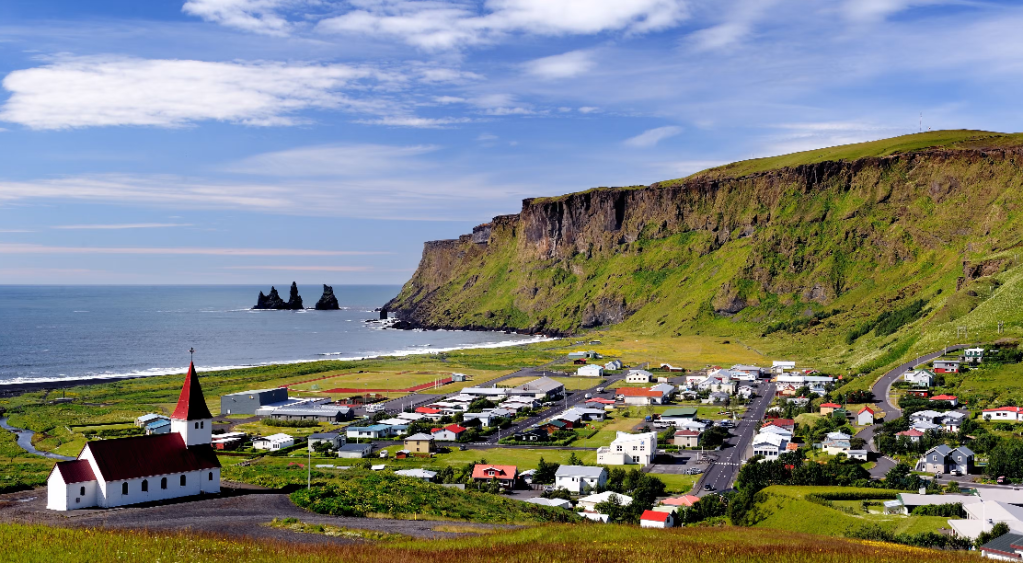
Note: Because Vík is in high demand, accommodations book up months in advance.
East-Central Hub: Kirkjubæjarklaustur (Klaustur)
For travelers who prefer to escape the heavy crowds of Vík, this quiet, historic village is a great alternative.
Location Strategy: A great midpoint between the western waterfalls and the deep eastern glacier lagoons.
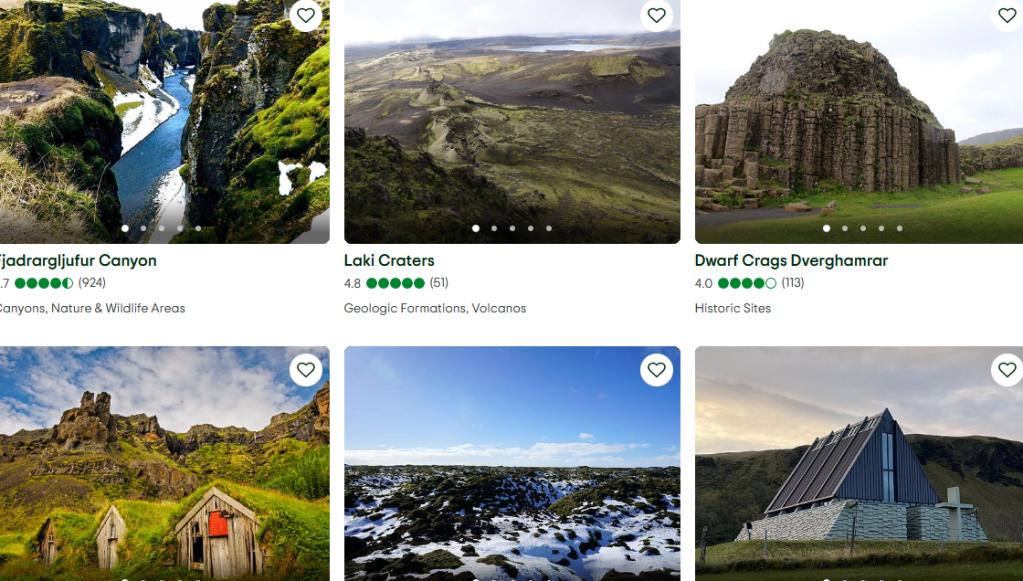
Nearby Sites: Fjaðrárgljúfur Canyon and the moss-covered Eldhraun lava fields.
Hub Advantage: A much more peaceful countryside atmosphere with excellent local dining spots, such as Kjarr restaurant.
Eastern Hub: Skaftafell or Höfn
To reach the farthest points of the classic South Coast tour without having to turn back prematurely, you will want an overnight base near the glaciers.
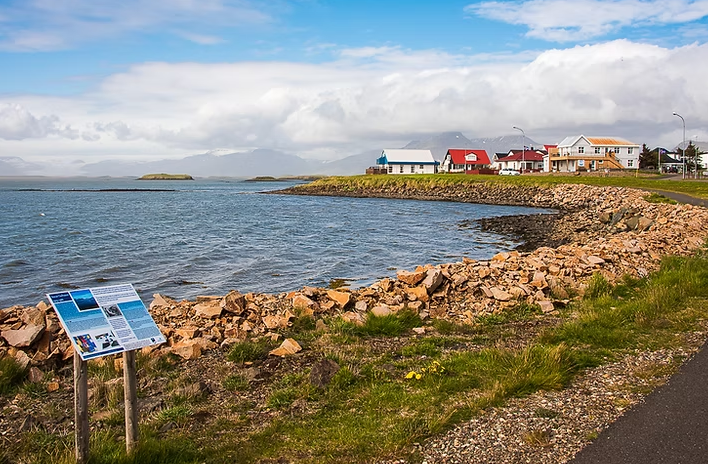
Location Strategy: Vital for early morning or late evening visits to the ice lagoons when the lighting is best.
Nearby Sites: Jökulsárlón Glacier Lagoon, Diamond Beach, and Vatnajökull National Park.
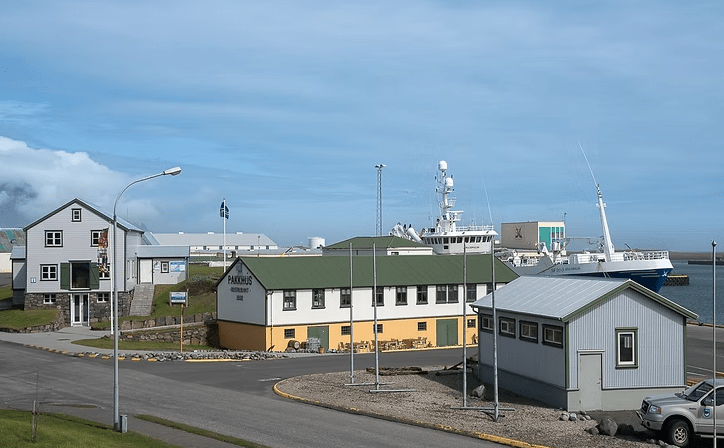
Hub Advantage: Skaftafell offers campsites and nature lodges right next to glacier trailheads, while Höfn is a lively fishing port famous for its local langoustine restaurants and guesthouses.
Attractions Grouped by Hubs
Western Hub Attractions (Selfoss / Hella / Hvolsvöllur)
These sights sit at the very beginning of the South Coast route and are perfect for your first day out of Reykjavík.
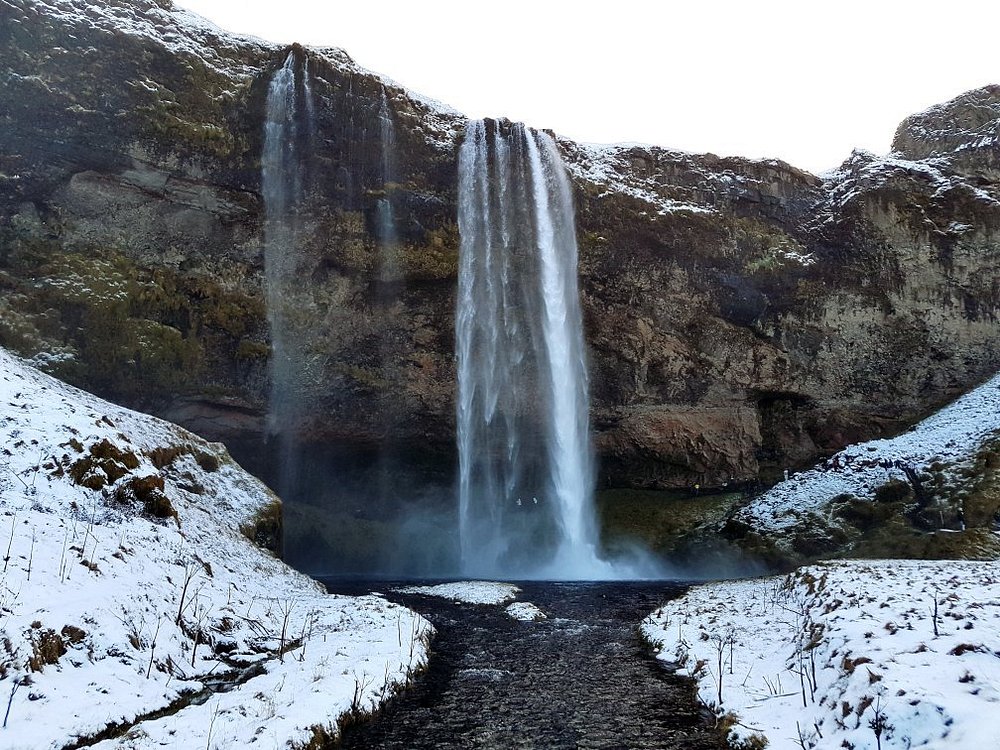
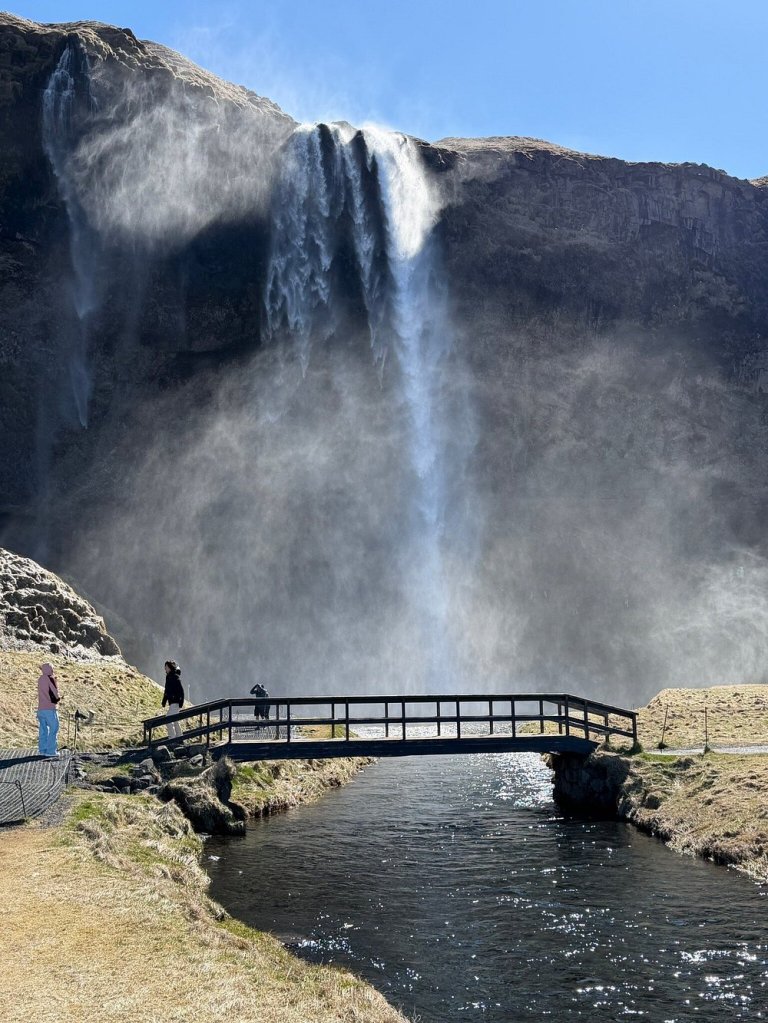
Seljalandsfoss: The iconic 60-meter waterfall that allows you to walk entirely behind its veil of water.
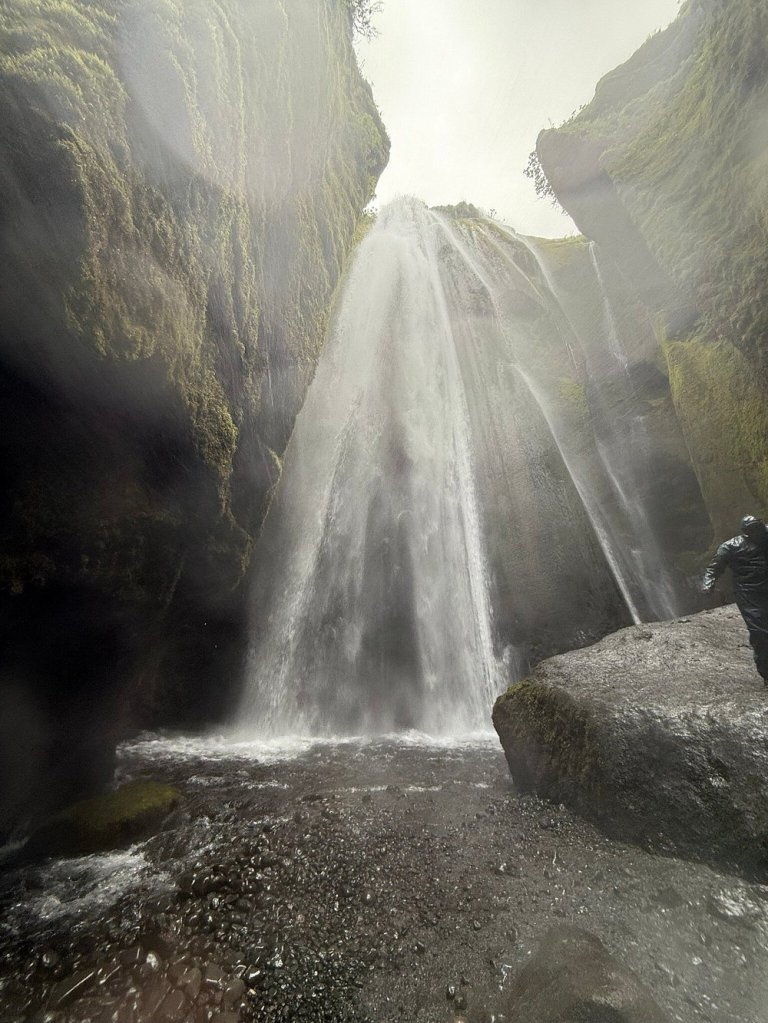
Gljúfrabúi: A hidden waterfall tucked inside a narrow cliff canyon just a 5-minute walk from Seljalandsfoss.
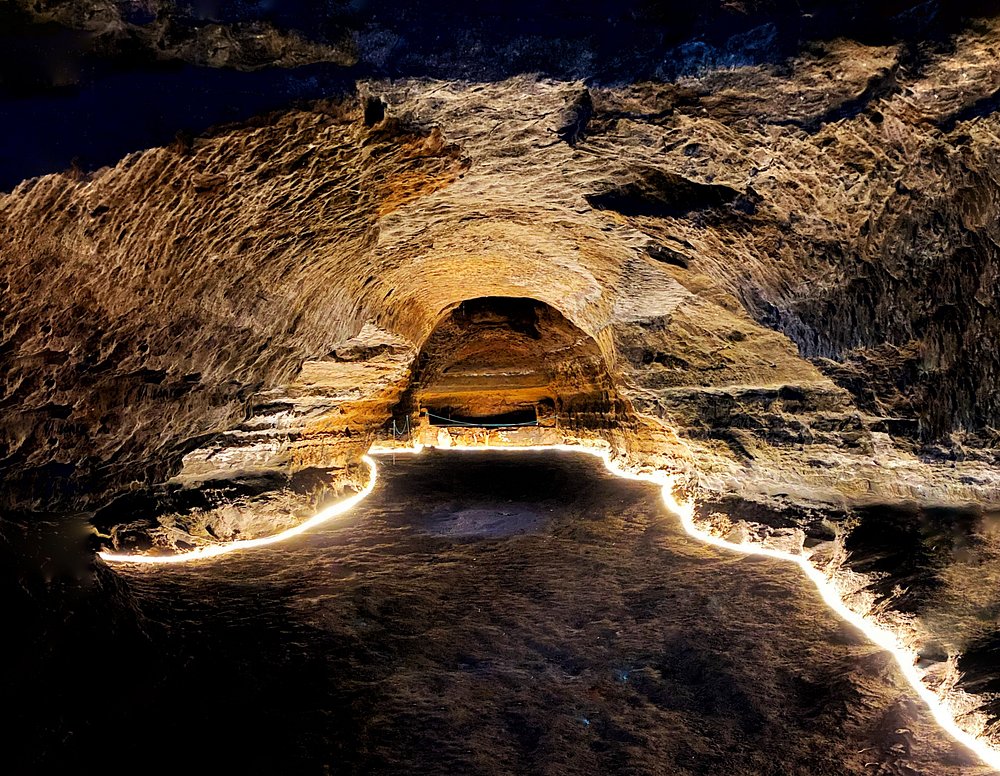
The Caves of Hella: A historic complex of ancient, man-made sandstone caves shrouded in Celtic mystery.
Keldur Turf House: One of Iceland’s oldest preserved turf farms, offering a glimpse into Viking-era living.
Vestmannaeyjar (Westman Islands) Ferry: The Landeyjahöfn harbor is close by, where you can take a 45-minute ferry ride to see massive puffin colonies.
Central Hub Attractions (Vík í Mýrdal)
This is the action center of the South Coast, surrounded by dramatic volcanic coastlines and black sands.
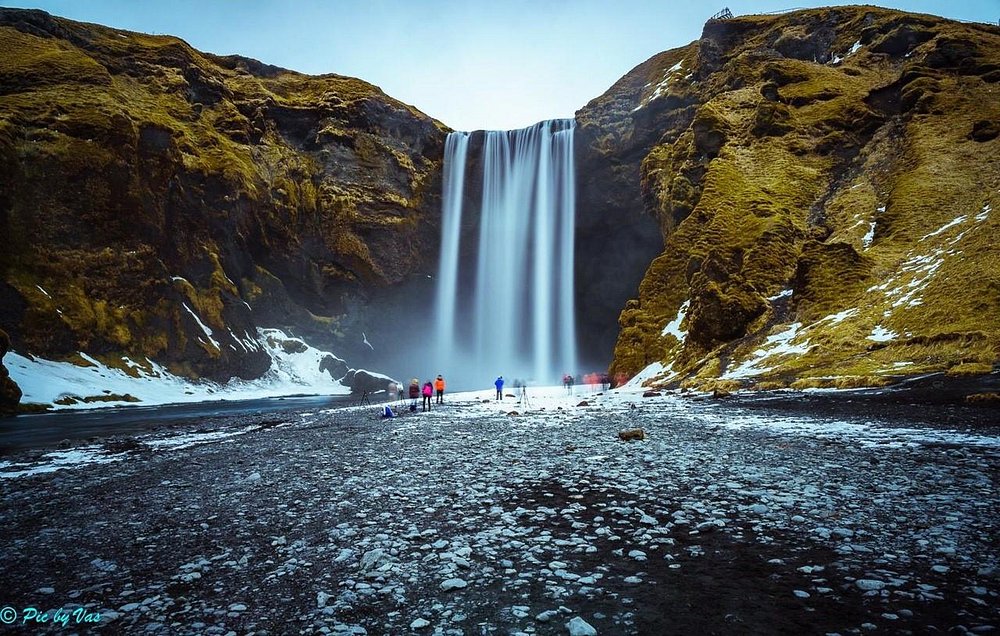
Skógafoss: A massive, thunderous waterfall with a staircase leading to a stunning panoramic viewpoint.
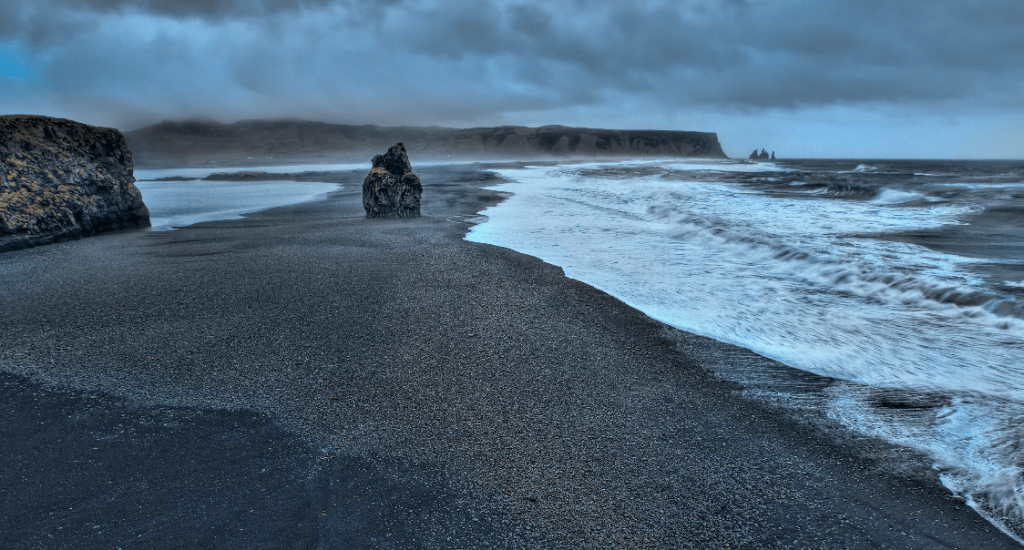
Reynisfjara Beach: The world-famous black sand beach featuring towering geometric basalt columns and the Reynisdrangar sea stacks.
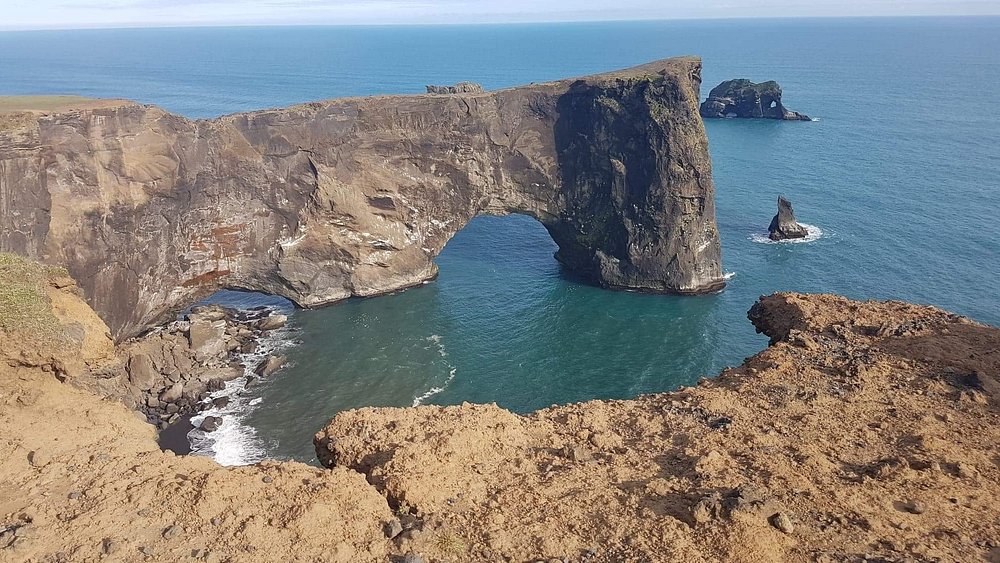
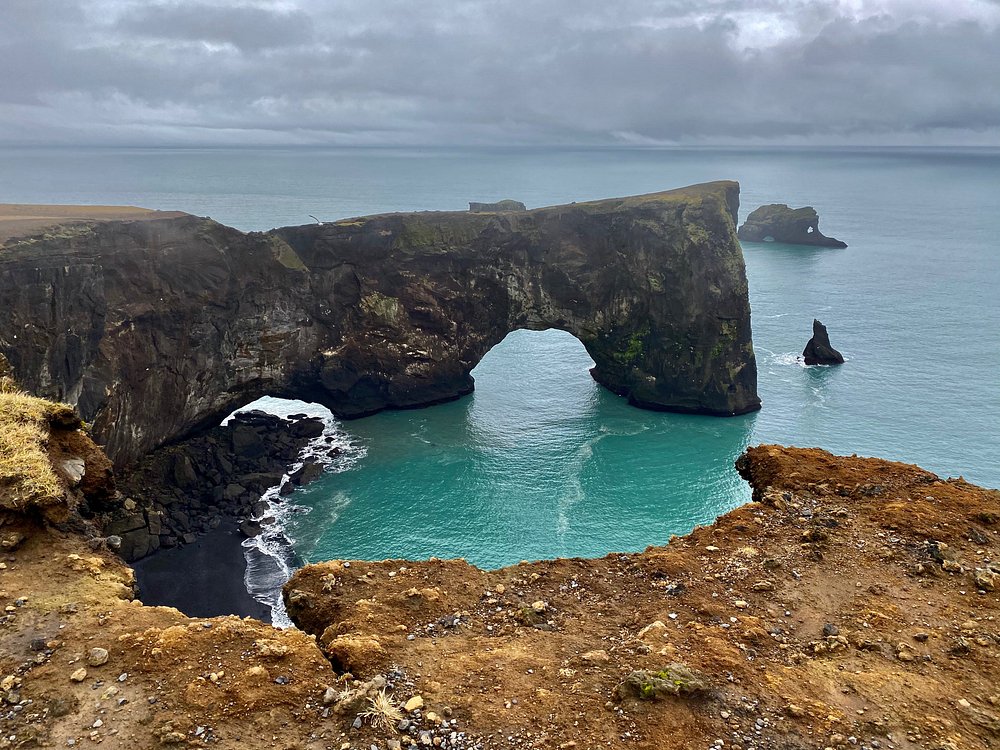
Dyrhólaey Peninsula: A giant volcanic arch rock formation offering cliffside views, a historic lighthouse, and nesting puffins.
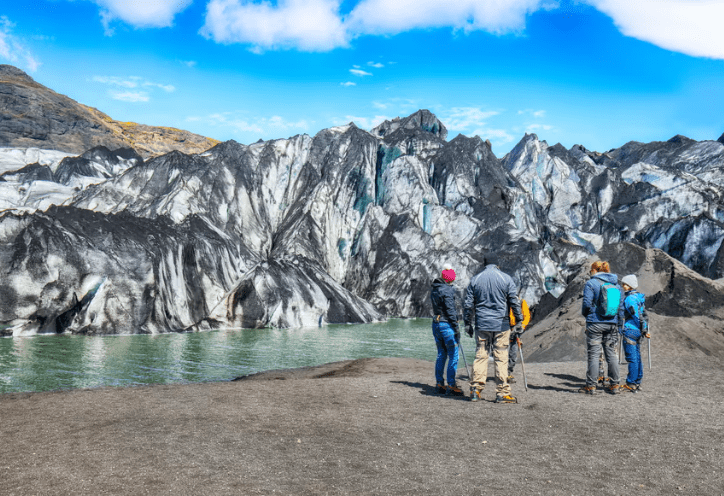
Sólheimajökull Glacier: The closest glacier tongue to Reykjavík, serving as the primary location for guided glacier hikes.
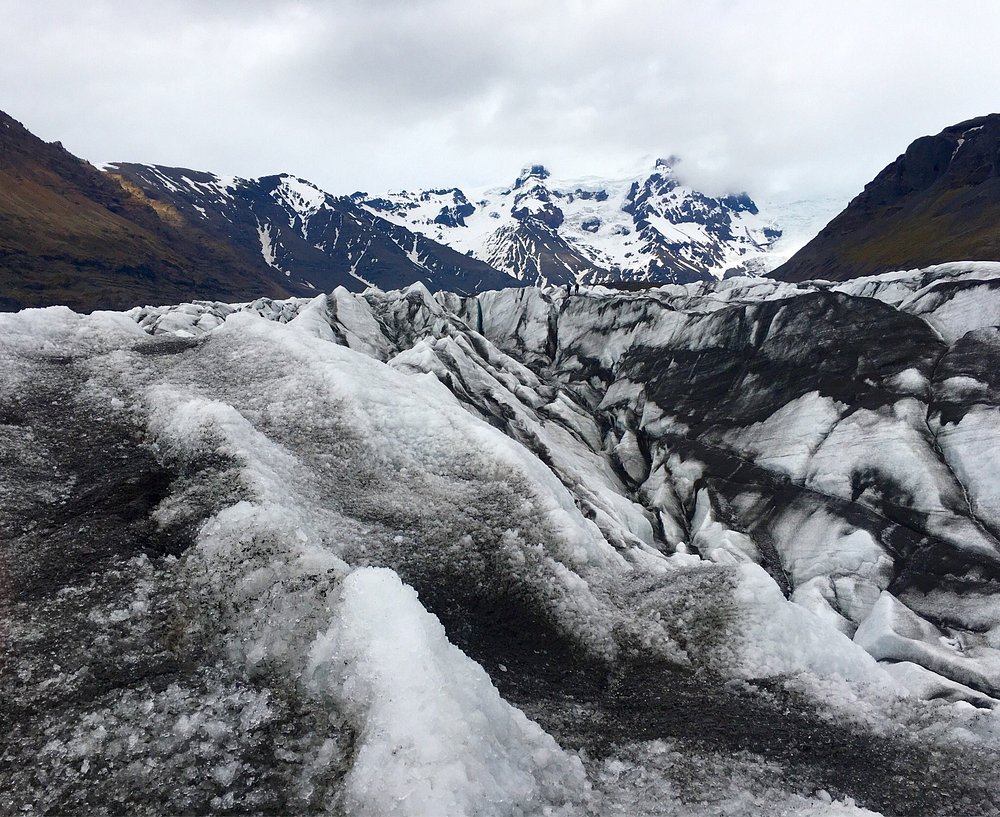
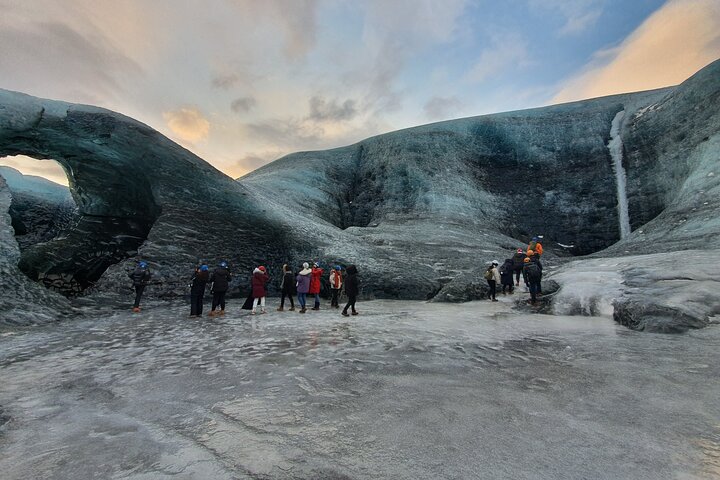
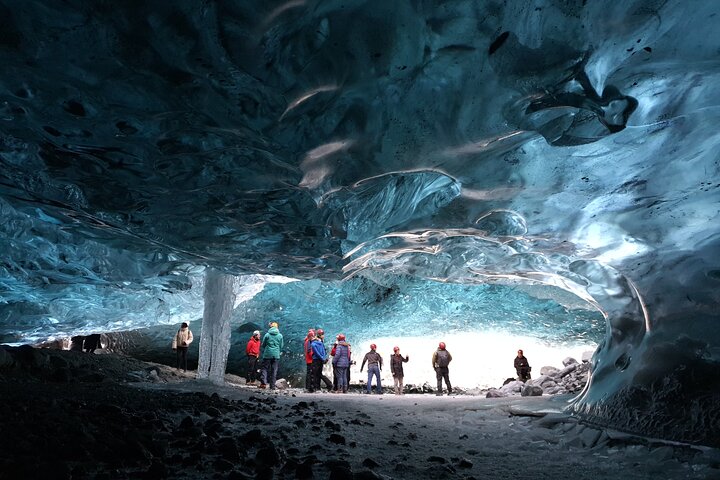
The Katla Ice Cave: A rare natural ice cave that can be safely visited year-round via a super-jeep tour from Vík.
Sólheimasandur Plane Wreck: The eerie, wind-swept remains of a 1973 US Navy plane crash, accessible via a 4-mile flat hike or a commercial shuttle bus.
East-Central Hub Attractions (Kirkjubæjarklaustur)
This quiet village sits between the beaches and the glaciers, surrounded by sweeping lava fields.
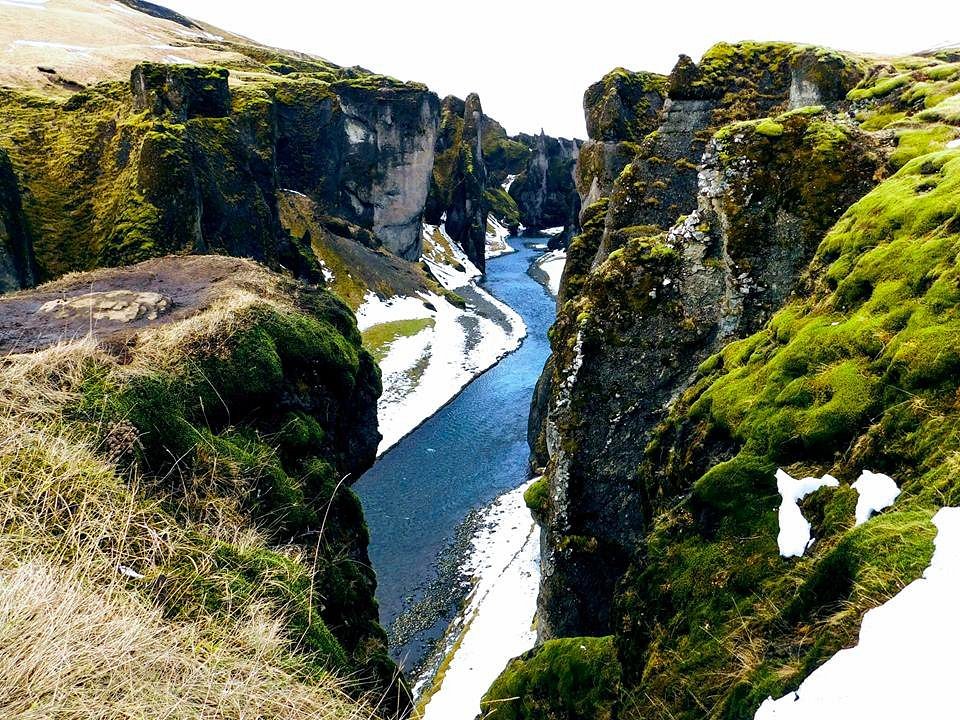
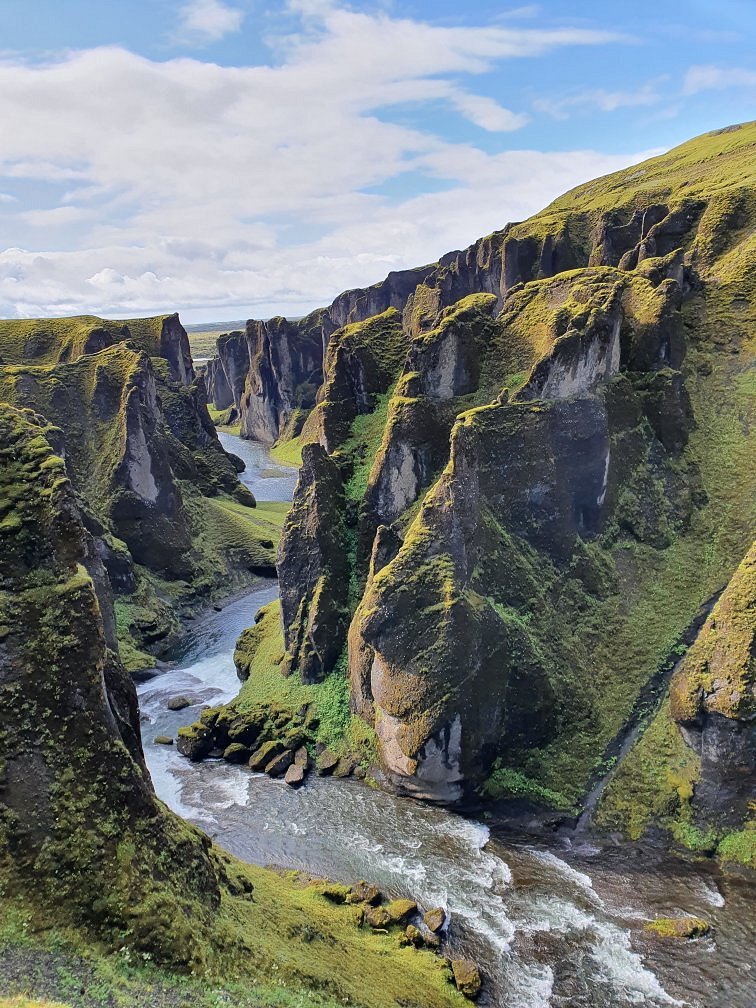
Fjaðrárgljúfur Canyon: A deep, fairytale-like canyon wrapped in bright green moss with winding walking trails along its rim.
Eldhraun Lava Field: The largest lava field resulting from a single eruption in historic times, blanketed in thick, soft wool-moss.
Systrafoss & Systrastapi: A pair of scenic waterfalls and a historic rock peak located directly in the center of the village.
Eastern Glacier Hub Attractions (Skaftafell / Höfn)
The grand finale of the South Coast, where giant ice caps meet tidal lagoons.
Svartifoss: A unique waterfall inside Vatnajökull National Park framed by hanging, pipe-like black basalt columns.
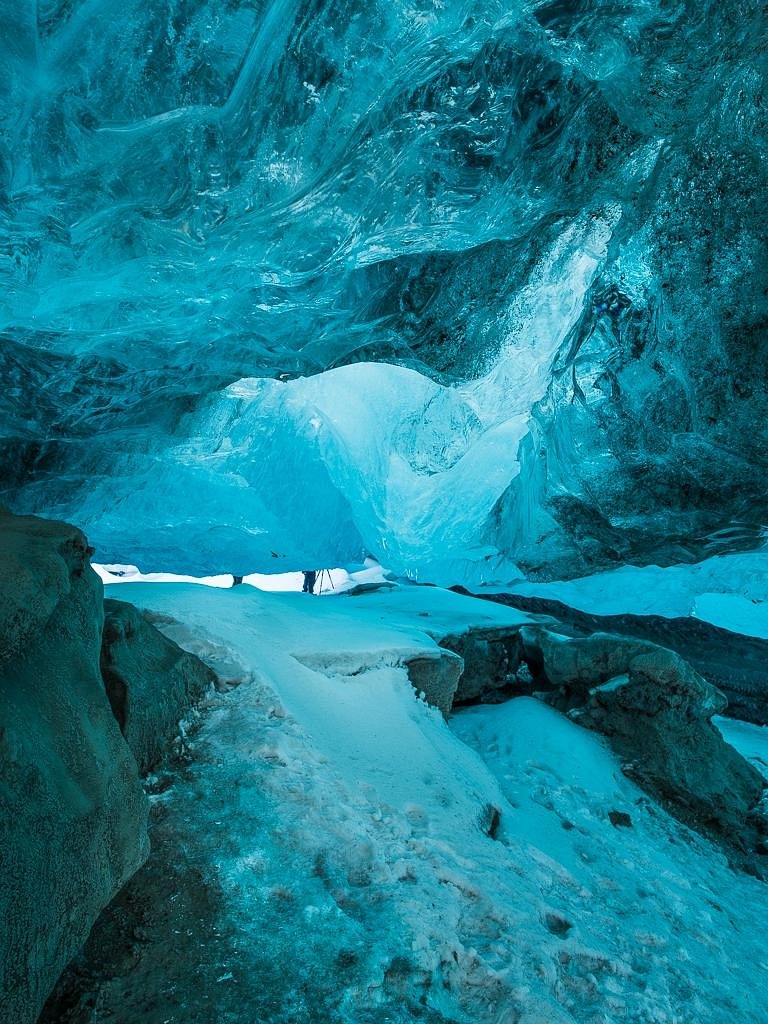
Jökulsárlón Glacier Lagoon: A vast, deep lagoon where massive, electric-blue icebergs break off the glacier and float toward the sea.
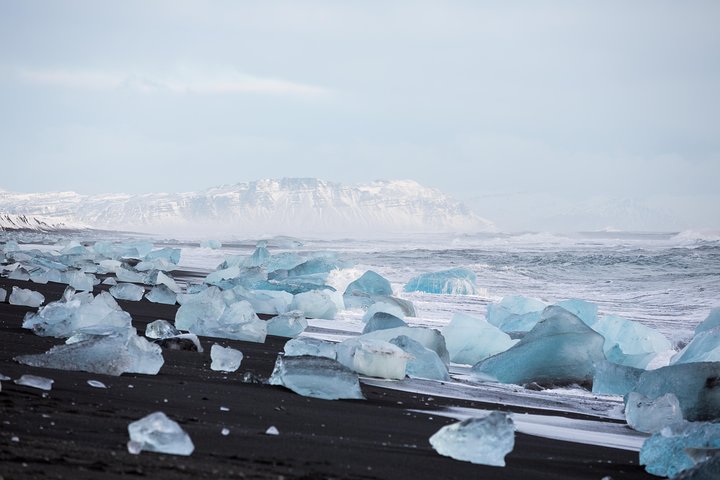
Diamond Beach: The black sand shoreline directly across from the lagoon where sparkling ice chunks wash ashore like giant crystals.
Fjallsárlón Glacier Lagoon: A smaller, quieter, and more intimate glacier lagoon located just west of Jökulsárlón.
Vestrahorn Mountain (Stokksnes): A jagged, cinematic mountain rising out of black sand dunes and tidal lagoons, located just past Höfn.
Most Optimal South Coast Itinerary
Day 1: Western Wonders & Waterfalls
Driving Time: ~2.5 hours total (from Reykjavík) | Overnight Hub: Vík í Mýrdal
Morning: Seljalandsfoss & Gljúfrabúi
Drive 1.5 hours from Reykjavík to your first major stop. Walk behind the cascading curtain of Seljalandsfoss, then wade through the narrow cliff opening to see the hidden Gljúfrabúi waterfall.
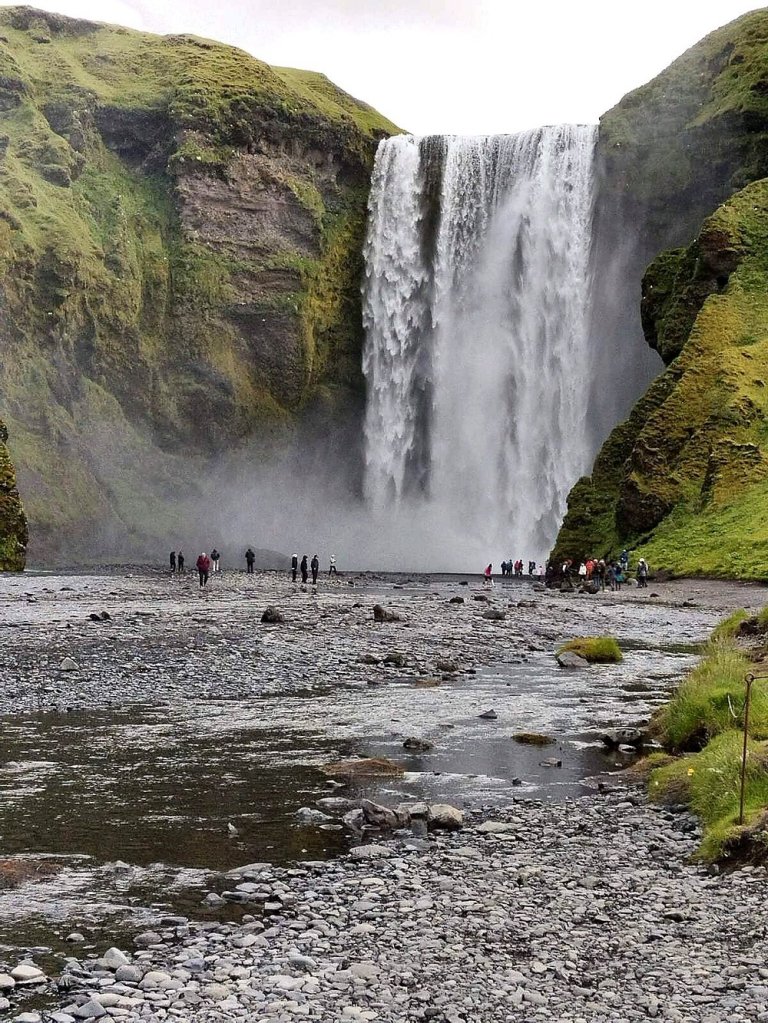
Afternoon: Skógafoss & Kvernufoss
Drive 25 minutes further east. Marvel at the wall of water at Skógafoss and climb the staircase for a bird’s-eye view. Walk 20 minutes to the neighboring, less-crowded Kvernufoss canyon.
Evening: Dyrhólaey PeninsulaCatch the late afternoon light or sunset from the clifftops of Dyrhólaey, looking out over the endless black coastline and a massive stone arch.
Settle In: Check into your hotel in Vík and dine at Smiðjan Brugghús or Suður Vík.
Day 2: Volcanic Black Sands & Fairytale Canyons
Driving Time: ~1.5 hours total | Overnight Hub: Kirkjubæjarklaustur (Klaustur)
Morning: Reynisfjara Black Sand Beach
Arrive early to beat the tour buses. Explore the massive geometric basalt columns, sea stacks, and dark volcanic sands. (Stay well back from the shoreline due to sleeper waves).
Mid-Day: Katla Ice Cave or Sólheimajökull Glacier HikeJoin a guided tour departing from Vík. Depending on your preference, either hike onto a glacier tongue or take a super-jeep tour to a year-round volcanic ice cave.
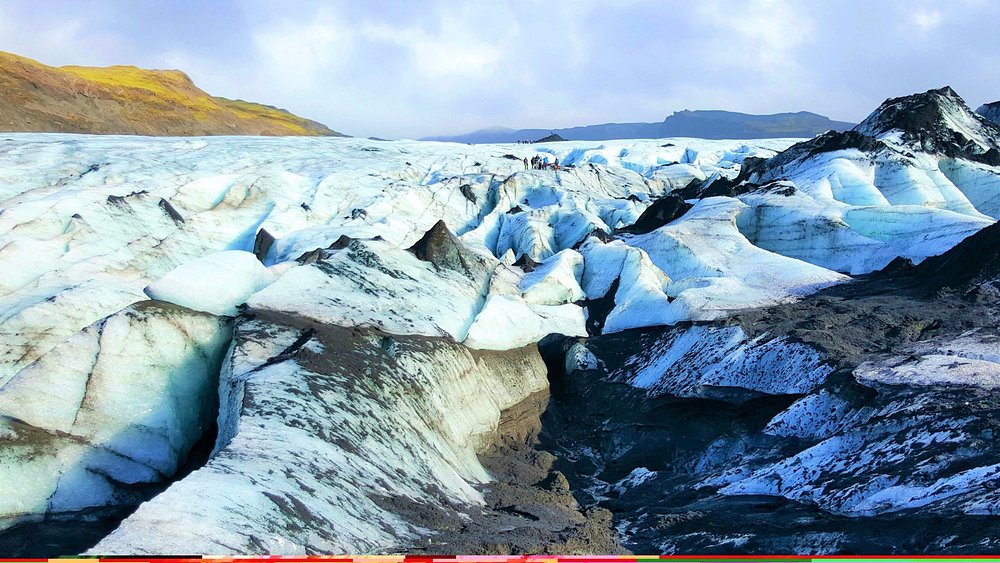
Afternoon: Eldhraun Lava Field & Fjaðrárgljúfur CanyonDrive east through the vast, moss-blanketed Eldhraun lava field. Arrive at Fjaðrárgljúfur Canyon to hike the rim trail for dramatic, otherworldly views.
Settle In: Check into a quiet countryside lodge in Kirkjubæjarklaustur.
Day 3: Glaciers, Ice Lagoons & Sparkling Crystals
Driving Time: ~1.5 to 2 hours total
Overnight Hub: Skaftafell or Höfn
Morning: Skaftafell (Vatnajökull National Park)
Drive an hour east to the park. Take a scenic 1.5-kilometer hike up to Svartifoss, a waterfall beautifully framed by hanging black basalt columns that look like organ pipes.
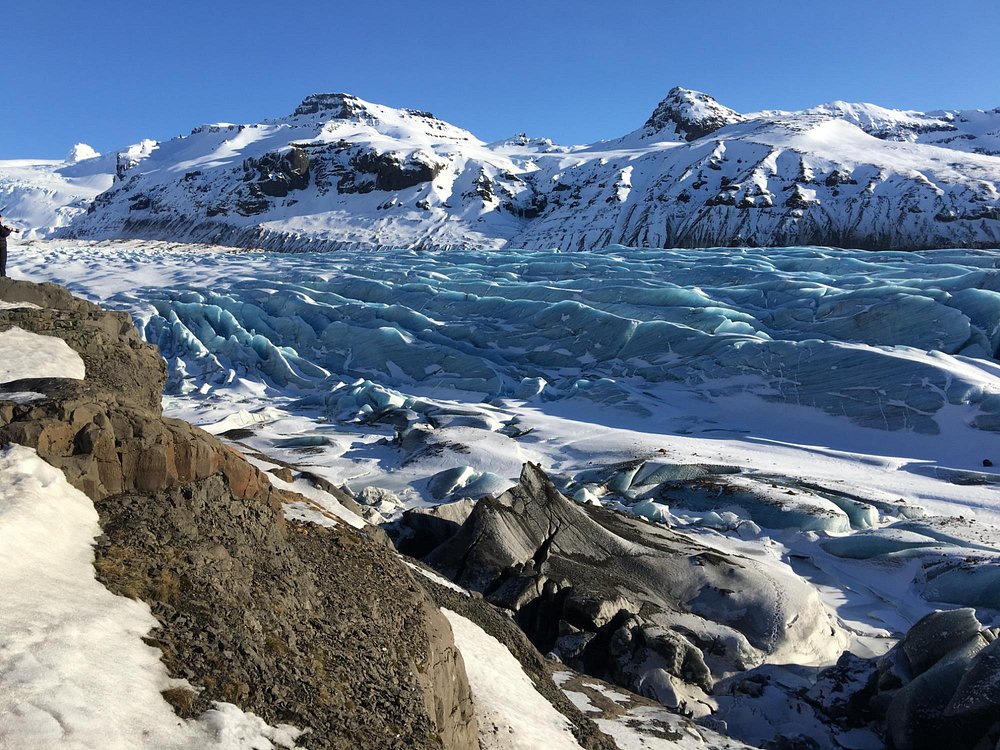
Afternoon: Fjallsárlón & Jökulsárlón Glacier Lagoons
Head further east to view the ice. Stop at Fjallsárlón first for a quiet, intimate look at the glacier wall. Then, move to the massive Jökulsárlón lagoon to watch electric-blue icebergs drift toward the sea.
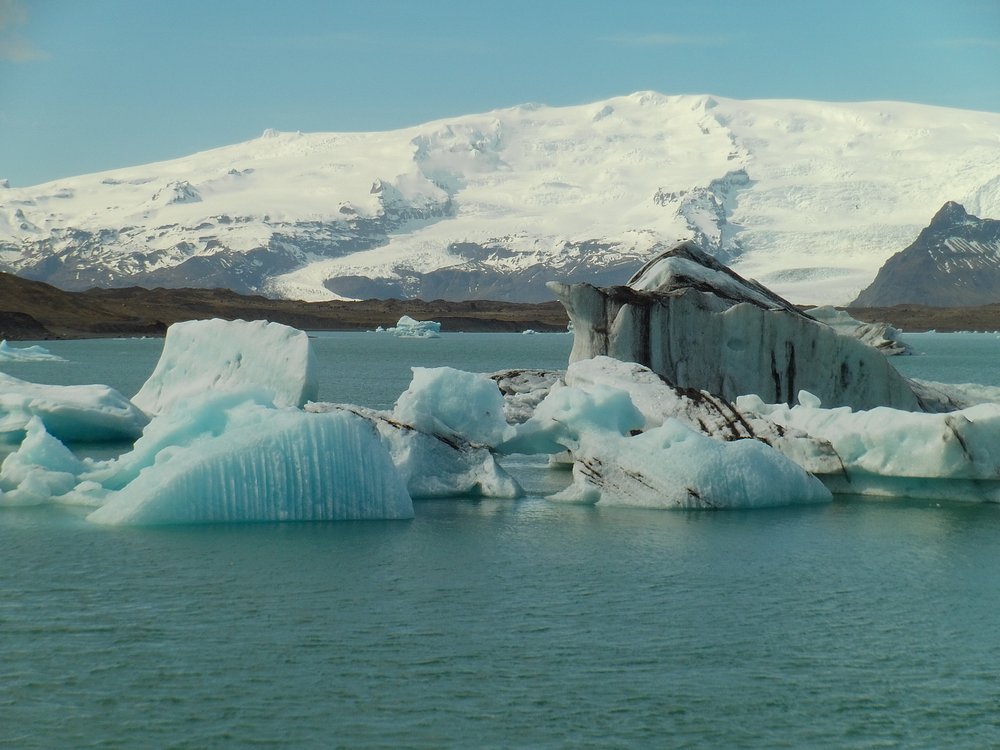
Late Afternoon: Diamond BeachWalk across the highway from Jökulsárlón to the black shoreline. Watch the tide wash the polished, glittering ice chunks onto the sand like giant diamonds.
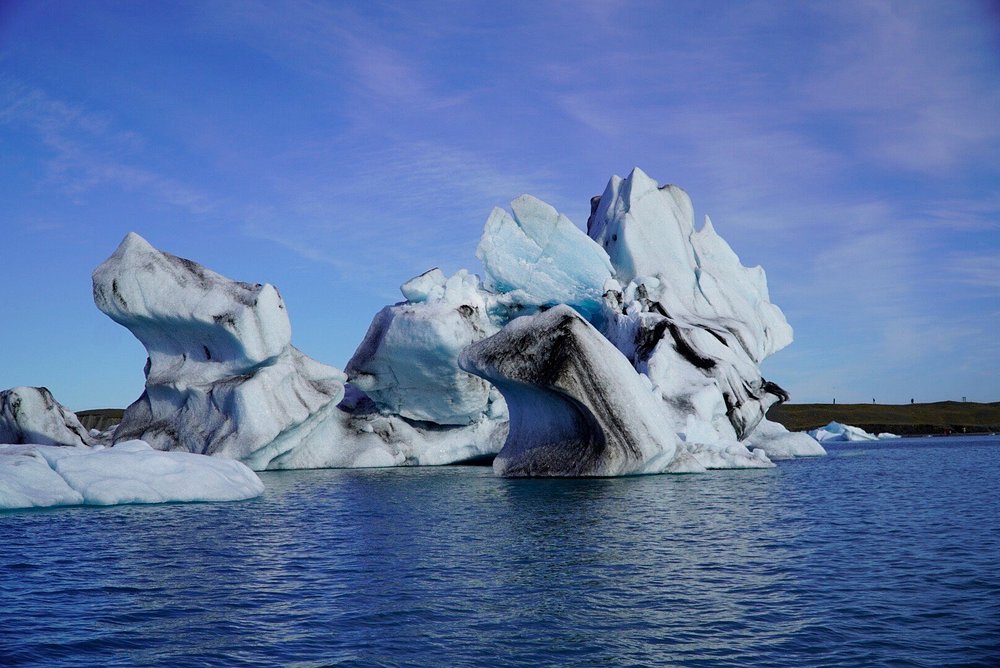
Settle In: Stay at a glacier lodge in Skaftafell or drive 50 minutes further east to the fishing port of Höfn for a local langoustine dinner at Pakkhús.
Day 4: Dramatic Mountains & The Return Journey
Driving Time: ~4.5 to 5 hours total (Back to Reykjavík)
Overnight Hub: End in Reykjavík
Morning: Vestrahorn Mountain (Stokksnes)
If you stayed in Höfn, visit the dramatic, jagged peaks of Vestrahorn. The mountain reflects perfectly into the wet tidal flat sands, making it a photographer’s dream.
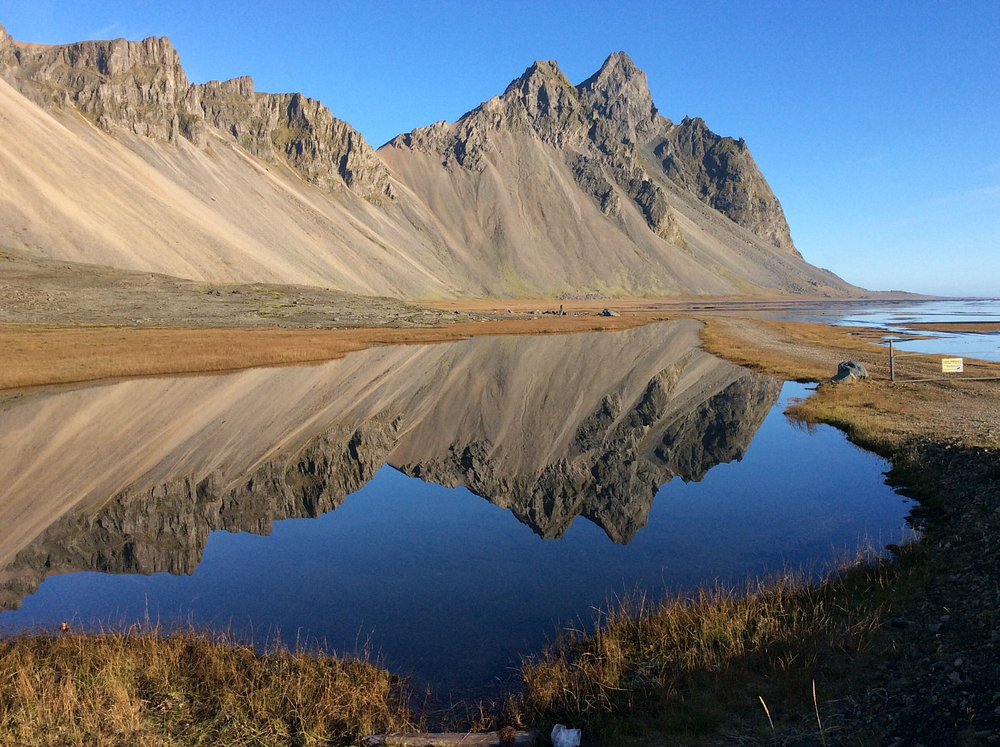
Afternoon: Scenic Return Drive with Hidden Stops
Begin the journey back west along Route 1. Break up the long drive by stopping at the spots you missed, such as the Sólheimasandur Plane Wreck (via the shuttle bus) or grabbing lunch in Selfoss.
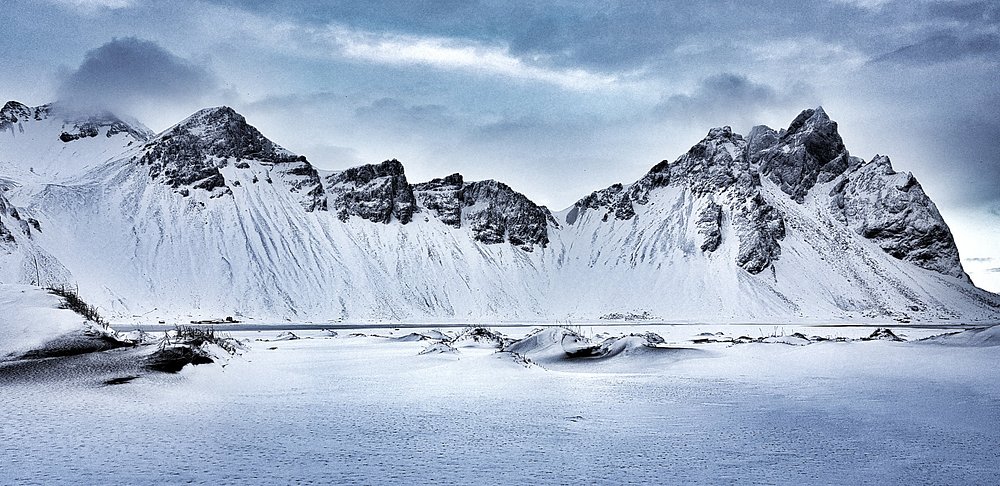
Evening: Arrive back in Reykjavík to conclude your tour.
Why Exploring the South Coast like this makes Sense?
Exploring the South Coast using this structured, hub-by-hub progression makes sense for several critical reasons. It follows Iceland’s Natural Geography; the South Coast is a linear route along a single highway (Route 1). The attractions naturally get more dramatic, icy, and remote the further east you drive. Grouping by hubs matches this natural progression perfectly. Day 1 handles the coastal transition and classic waterfalls. Day 2 tackles the volcanic sands and black landscapes. Days 3 & 4 immerse you deeply into the massive ice fields and glacial lagoons. It Eliminates Lethal Driving Fatigue; The driving distance from Reykjavík to the Jökulsárlón Glacier Lagoon is roughly 380 kilometers (235 miles) one way.
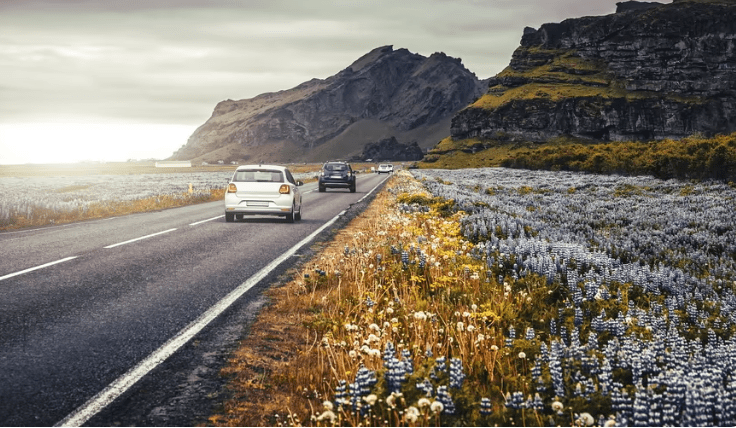
Attempting this as a day trip or with massive backtracking means spending 8 to 10 hours a day inside a car. By shifting your hub eastward each night, your active sightseeing driving drops to an incredibly manageable 1.5 to 2.5 hours per day. You spend your time exploring the land rather than staring at asphalt. You Beat the Heavy Tour Bus Crowds; The vast majority of tourists visit the South Coast via single-day tour buses originating from Reykjavík. These buses hit Seljalandsfoss around 10:00 AM and reach Vík by 1:00 PM. Because you are already sleeping in the local hubs, you can wake up and visit Reynisfjara Beach or Skógafoss at 8:00 AM—entirely bypassing the massive afternoon crowds and enjoying these majestic locations in near-silence.
Built-in Weather Flexibility; Icelandic weather is famously erratic and can change completely in 15 minutes. If you anchor yourself to a single hotel far away, a sudden storm or road closure can ruin your entire day. By moving systematically between regional hubs, you can easily shift your indoor or outdoor activities (like glacier hikes or museum visits) to match the exact weather window of the specific zone you are currently staying in. Smooth Transition of Landscapes; Staying in a new hub each night allows you to truly experience the changing sub-cultures and ecosystems of the coast. You transition smoothly from the agricultural flatlands of the west, to the dramatic sea cliffs of Vík, through the massive historical mossy lava fields of Klaustur, and finally into the true glacial wilderness of the deep east.
Attributions
Visit Iceland-a day in Selfoss


Leave a Reply