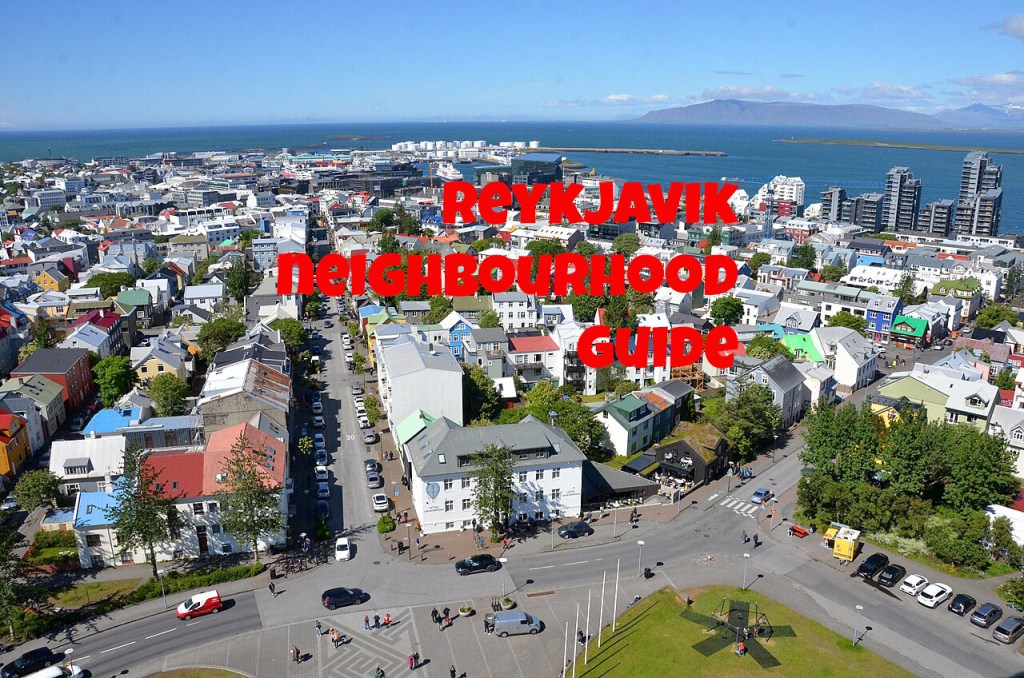
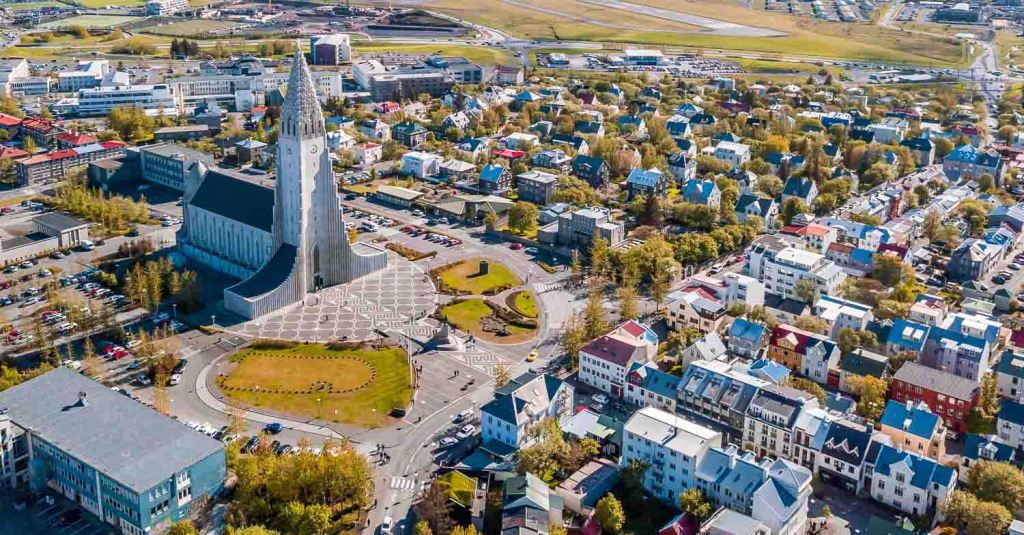
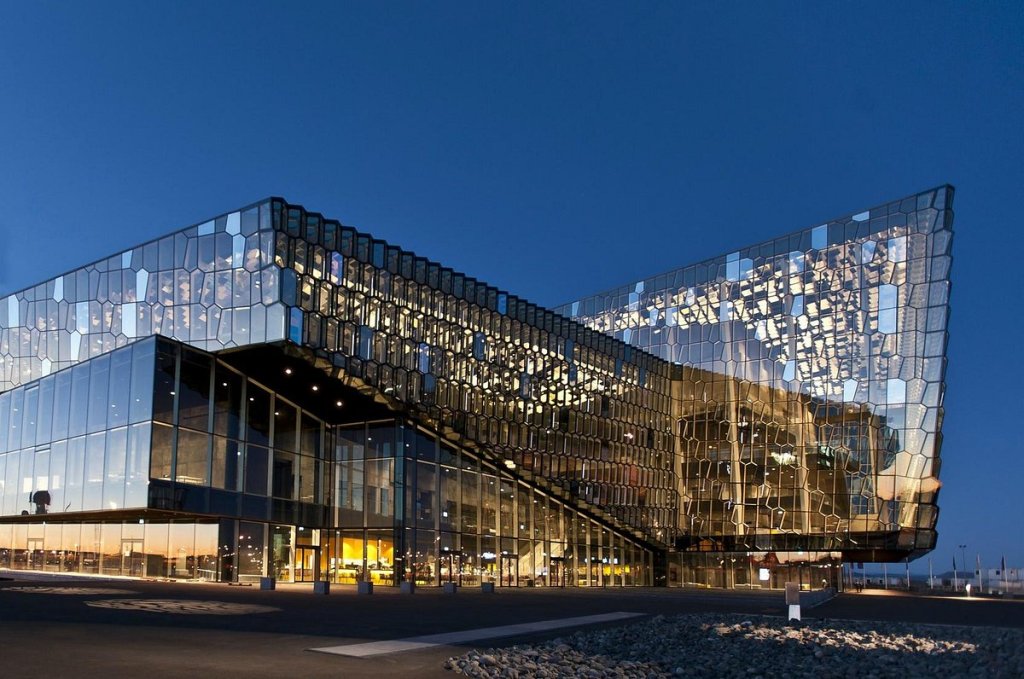
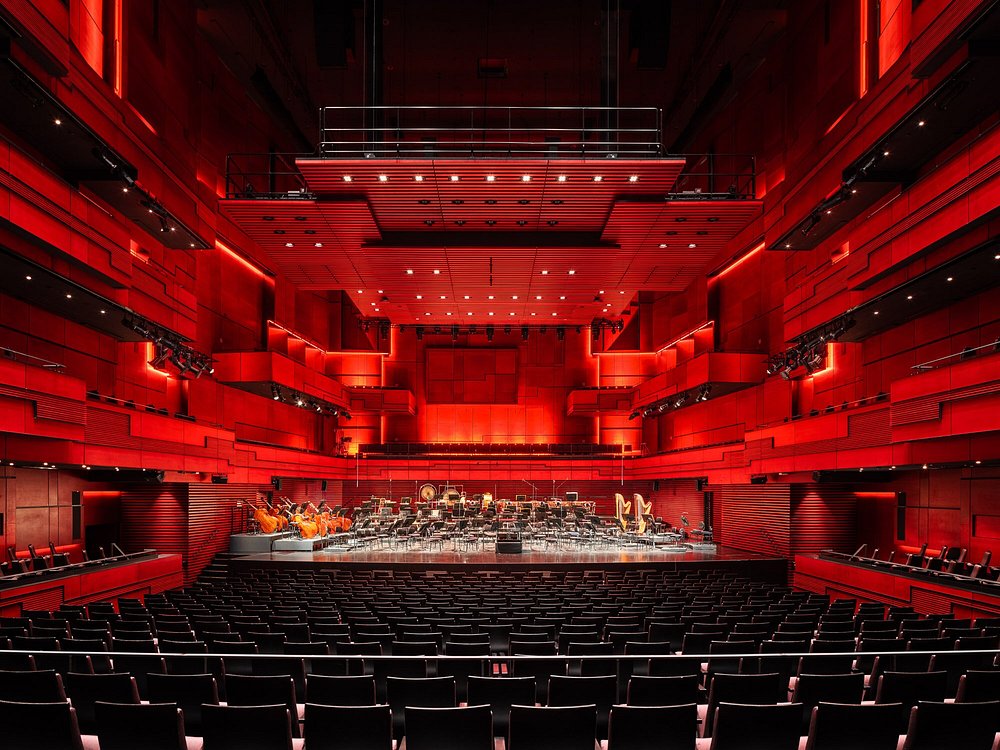
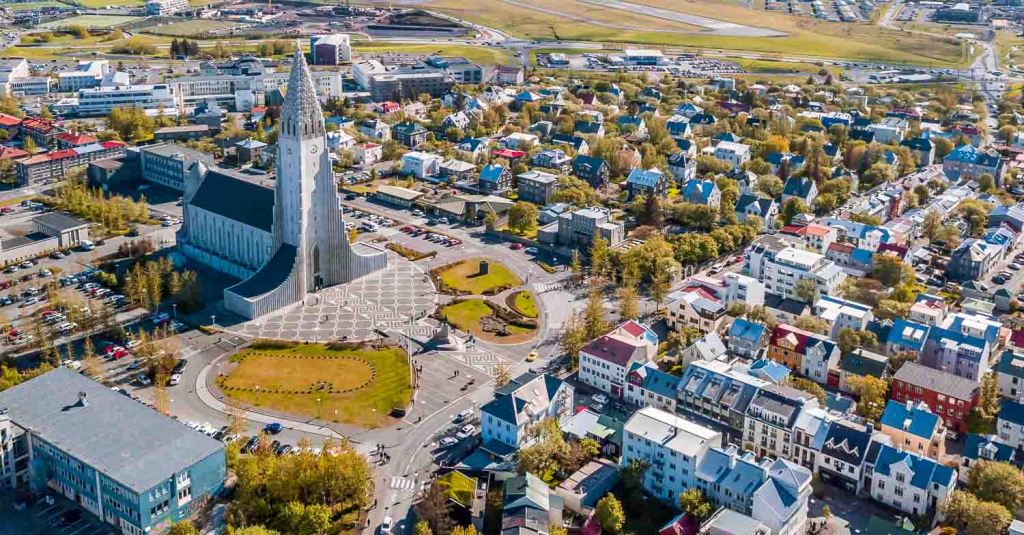
Reykjavík is the world’s northernmost capital city and serves as the vibrant cultural, culinary, and economic heart of Iceland. While it boasts a small-town feel with roughly 140,000 residents, it packs a massive punch with its striking modern architecture, famous geothermal pool culture, booming food scene, and strategic positioning as the gateway to Iceland’s dramatic natural wonders. Iceland’s Capital city has many iconic Landmarks & Attractions such as the Hallgrímskirkja, Harpa Concert Hall and Conference Center, the Sculpture and shore walk, and world class museums such as the Perlan.
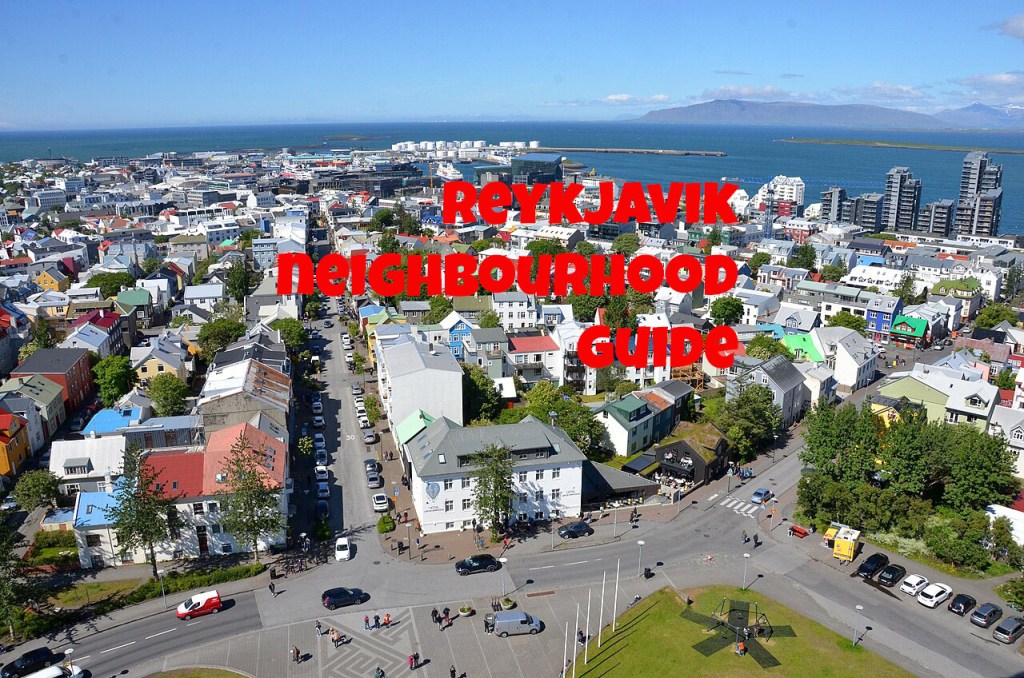
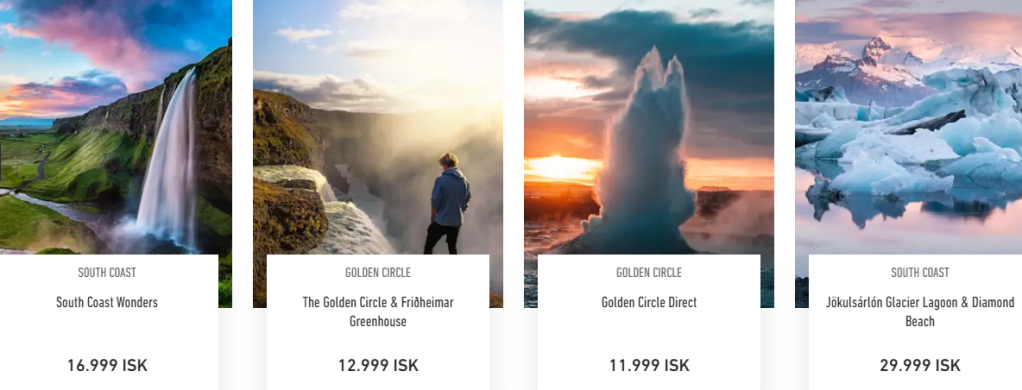
Going to public pools like Vesturbæjarlaug is a central part of Icelandic culture. Locals meet daily in communal geothermal hot tubs to relax and socialise. Located just on the edge of the city, this dramatic oceanfront thermal spa is famous for its infinity-edge views of the Atlantic and its 7-step rejuvenation ritual. Reyjavik is the perfect lauchpad for major day trips to the Golden Circle and Iceland’s South Coast, as well as Northern Lights & Whale Watching. This is a Neighbourhood guide on things to do and where to stay in Reykjavik.
Miðborg (101 Downtown): The Heart of Action
Miðborg (101 Downtown) is the historic bedrock and cultural engine of Reykjavík. According to local lore, this is the exact spot where Iceland’s first settler, Ingólfur Arnarson, built his farmstead in 874 CE after throwing his ceremonial wooden pillars into the sea and tracking where they drifted ashore.
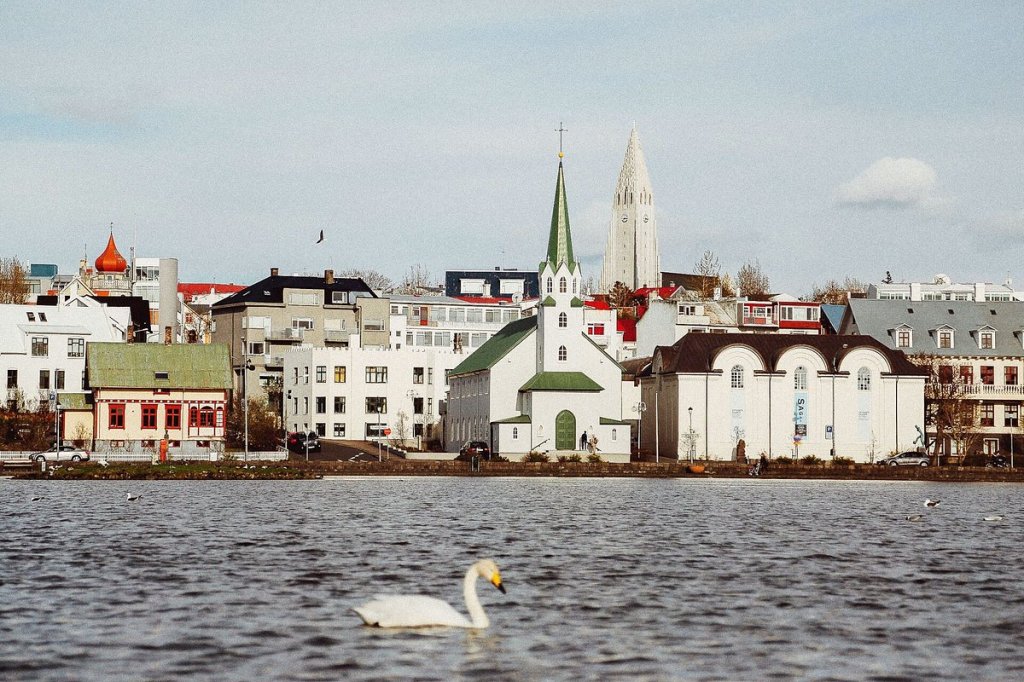
History & Political Centers
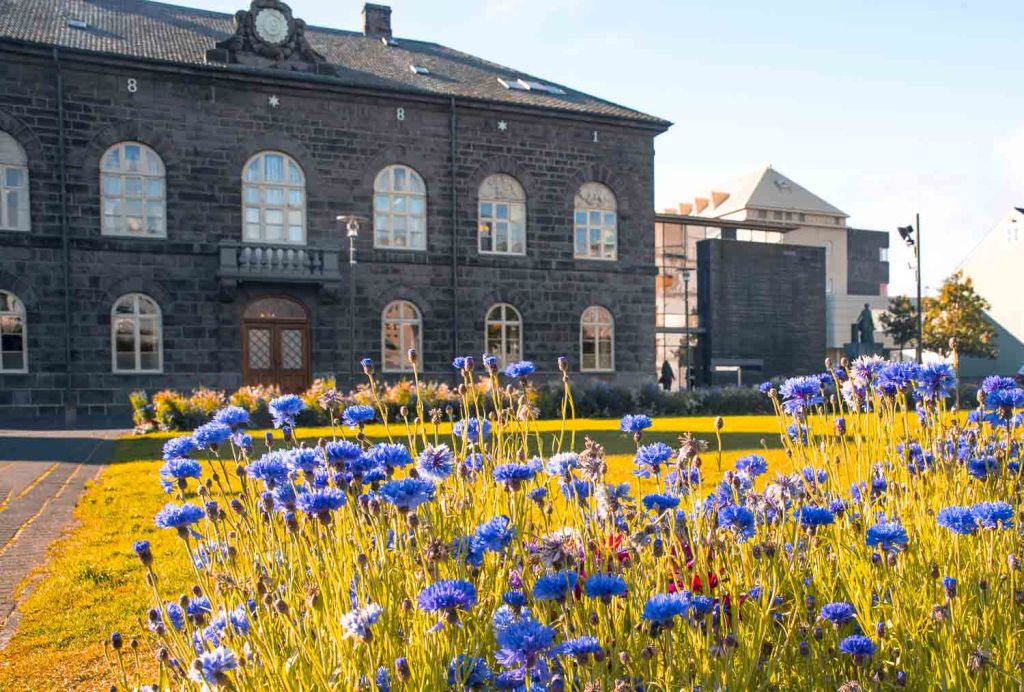
Beyond the entertainment, Miðborg houses the literal seat of Icelandic democracy. Surrounding the peaceful Austurvöllur Square (a popular green lawn where locals sunbathe during summer), you will find:
Alþingishúsið: The nineteenth-century dark stone building that houses the Alþingi, Iceland’s National Parliament—one of the oldest operating legislative institutions in the world.
The Settlement Exhibition: An underground museum built directly around the excavated ruins of a 10th-century Viking longhouse, offering an immersive look at the earliest days of Reykjavík.
Best for first-time visitors, nightlife, and shopping.
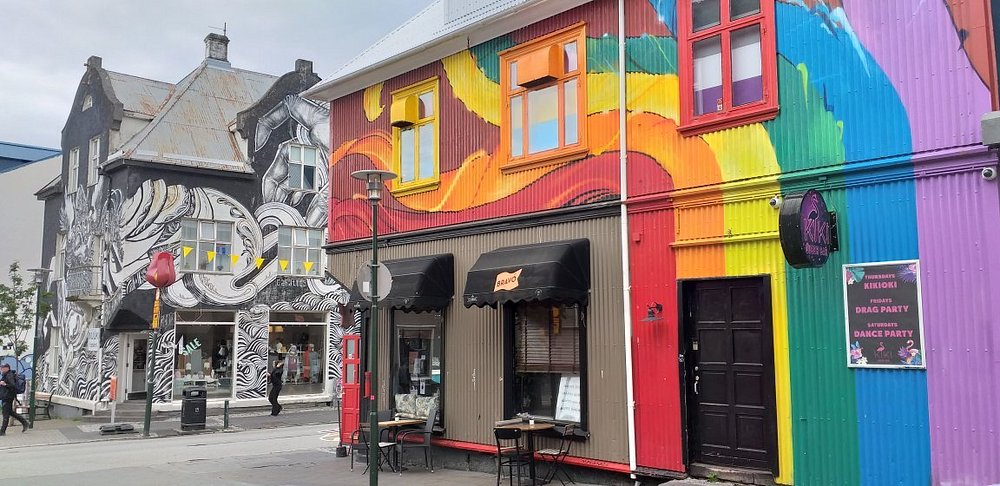
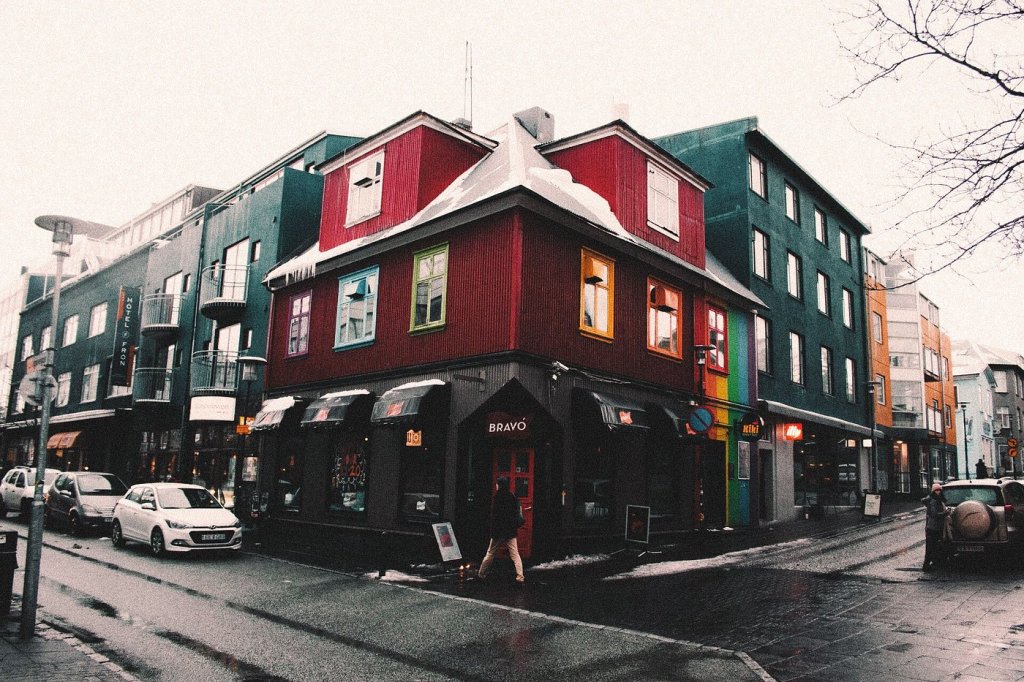
The Vibe: Energetic and bustling. Colorful corrugated iron houses line walkable streets packed with designer shops, restaurants, and late-night bars.
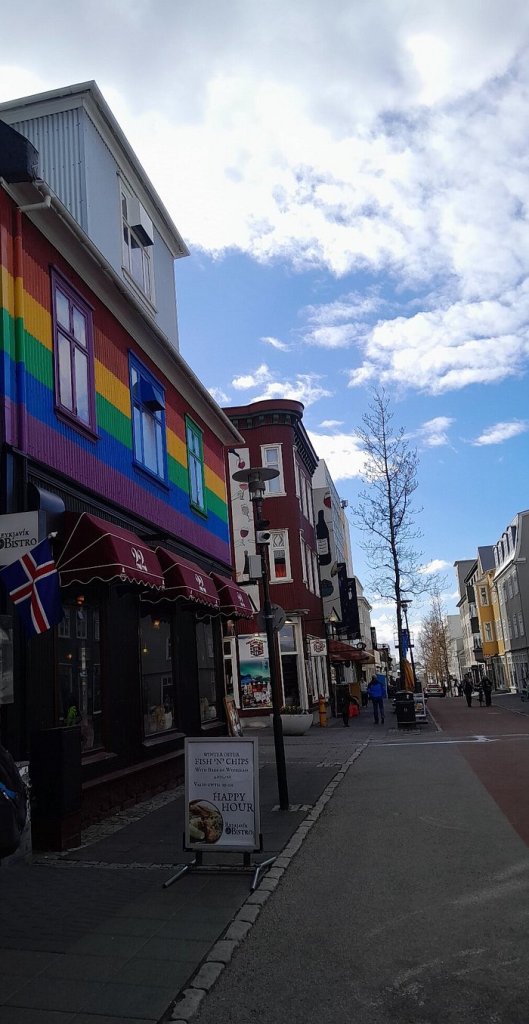
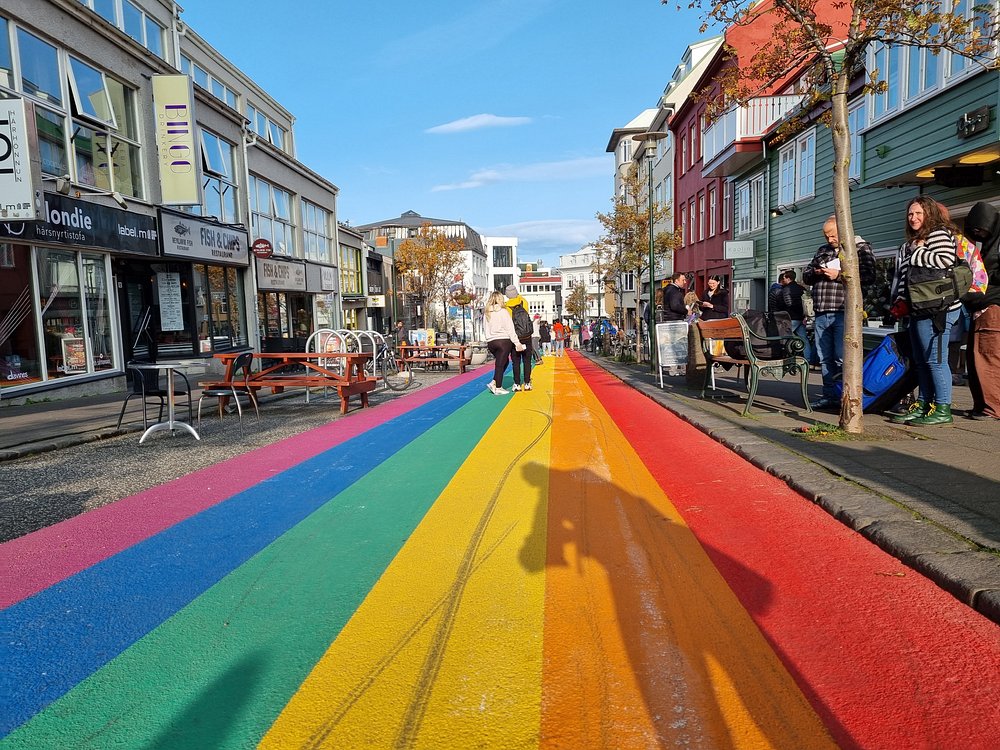
Key Landmarks: The striking Hallgrímskirkja church, the shimmering Harpa Concert Hall, and the colorful Skólavörðustígur (Rainbow Street).
Eat & Drink: Shop along Laugavegur street, grab a coffee at Mokka Kaffi, or try Icelandic craft beers at Skúli Craft Bar.
Evidence Check: This neighborhood is highly walkable and centrally located. It eliminates any immediate need for public transport to see major sights.
The Three Main Streets: Shopping & Culture
Miðborg is built around three parallel and intersecting main streets, each carrying a completely distinct personality:
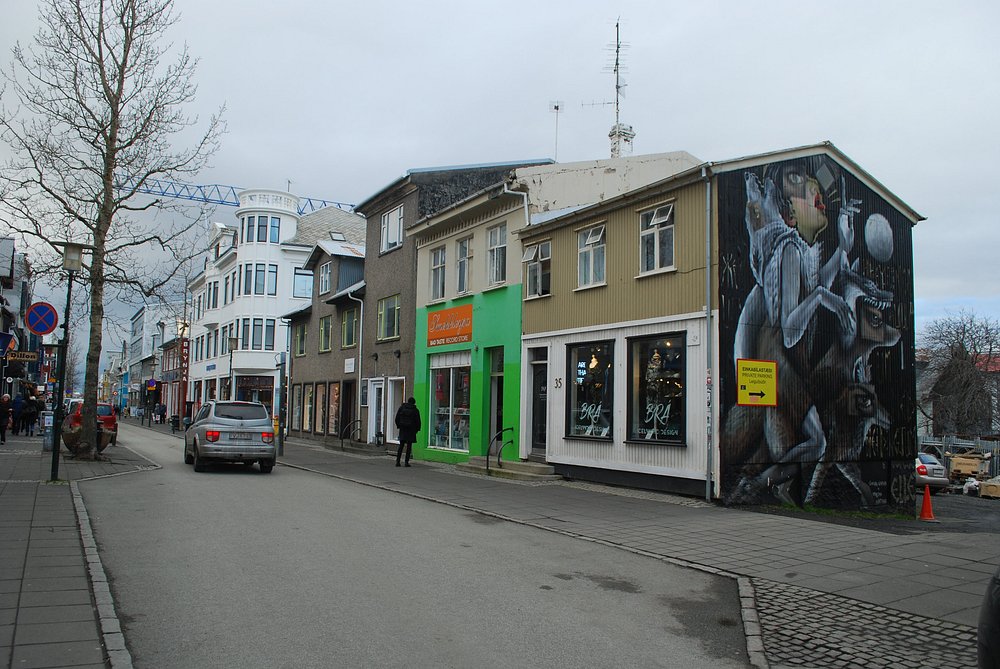
Laugavegur: The city’s primary commercial artery. By day, it is a bustling, colorful street lined with boutique Icelandic fashion labels, outdoor gear shops, and vintage storefronts. By night, it morphs into the main stretch for bars and clubs.
Skólavörðustígur (Rainbow Street): Branching off toward the hillside, this highly photogenic, rainbow-painted street is known for its independent art galleries, woolen goods shops, and artisan coffee houses. It leads your eye directly to the base of Hallgrímskirkja.
Austurstræti: Located on the older, western edge near the parliament building, this street is a dense hub of historic timber architecture, popular cocktail lounges, and historic public squares.
Culinary Core: From Street Food to Michelin Stars
Miðborg is Iceland’s undisputed culinary capital, hosting five of the country’s Michelin-rated restaurants.
Traditional Delicacies: If you want to sample fermented shark, reindeer burgers, or traditional slow-cooked lamb soup, places like Íslenski Barinn (The Icelandic Bar) offer authentic local menus in a cozy atmosphere.
Casual Food Halls: The Pósthús Food Hall, located in a beautifully restored historic post office building, provides a vibrant, communal space featuring everything from high-end sushi and wood-fired pizza to artisan cocktail bars like Drykk Bar.
The Famous “Rúntur” Nightlife
Reykjavík’s nightlife is legendary, largely because there is no open-container fee or cover charges, and all the venues are concentrated within a few walkable blocks. Locals participate in the Rúntur—a late-night weekend bar crawl where crowds flow continuously from one venue to the next until 4:30 AM.
Themed & Cult Classics: The lively, movie-themed Lebowski Bar is famous for serving over 24 variations of White Russians alongside classic burgers.
Live Music & Culture: For a more bohemian vibe, Hús máls og menningar is a vast multi-story bookstore by day that transforms into a packed live music and open-mic venue by night.
Historic Pubs & Rock: Places like LEMMY Bar, located in one of the city’s oldest standing structures, offer expansive outdoor seating backyards, craft beers, and a gritty rock-and-roll edge.
Hotel recommendations:
The 101 zip code (Miðborg) offers a diverse selection of hotels, ranging from historic luxury townhouses to trendy Scandinavian properties. Staying in this district puts you steps away from the city’s best dining, shopping, and landmarks.
Hotel Leifur Eiriksson- $114 $USD per Night- 4.1 stars- Located directly opposite the iconic Hallgrímskirkja church on Rainbow Street. It is highly regarded by solo travelers and couples looking for simple, clean rooms right in the center of the action.
Alda Hotel Reykjavik- $228 USD Per Night- 4.6 stars- Located on the upper, quieter end of Laugavegur street, offering a chic, relaxed atmosphere.
Hotel Reykjavik Centrum- $286 USD per Night- 4.6 stars- Located on one of Reykjavík’s oldest streets, this cozy hotel sits directly above the underground Settlement Exhibition museum.
Hotel Reykjavik Saga- $294 USD per Night- 4.8 stars- Sleek, elegant, and modern architectural hotel located right on Lækjargata street.
Sculpure and Shore Walk
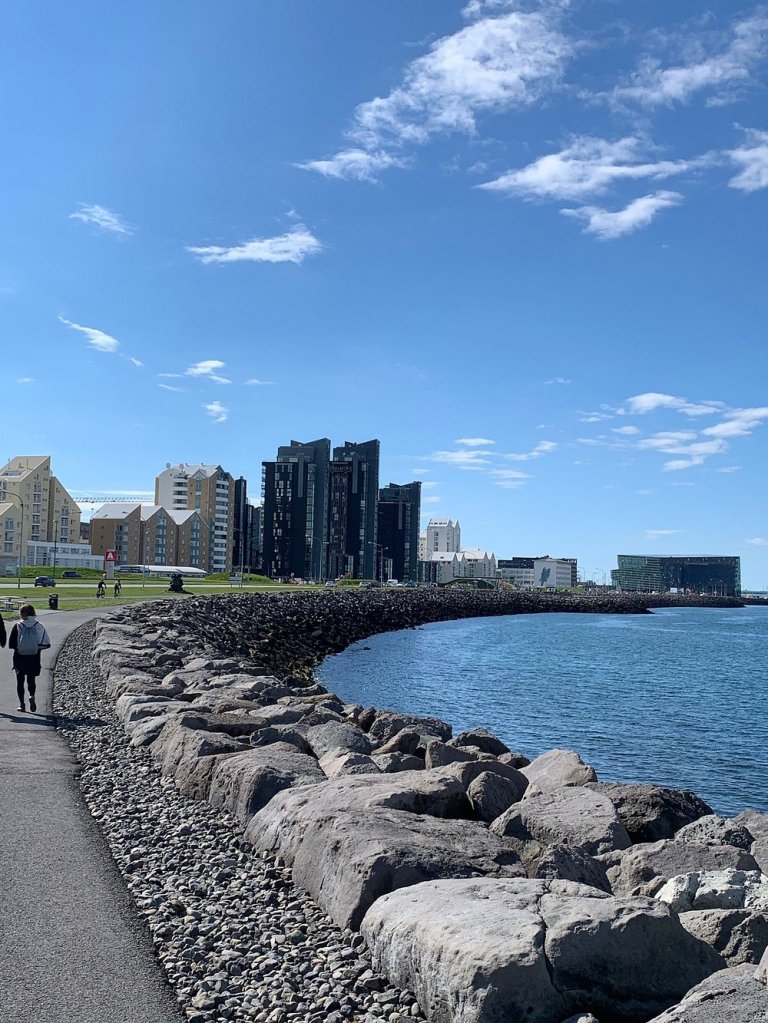
The famous Sculpture and Shore Walk (Sæbraut promenade) seamlessly connects downtown Reykjavík directly to the Grandi (Old Harbour) district. This scenic, paved waterfront pedestrian path stretches along the northern shoreline. It frames magnificent views of the Faxaflói Bay and the snow-capped Mount Esja on one side, and curated public artwork on the other.
Sculptures & Landmarks Along the Path
Walking from east to west (moving toward the Grandi harbor area), you will encounter these notable landmarks along the trail:
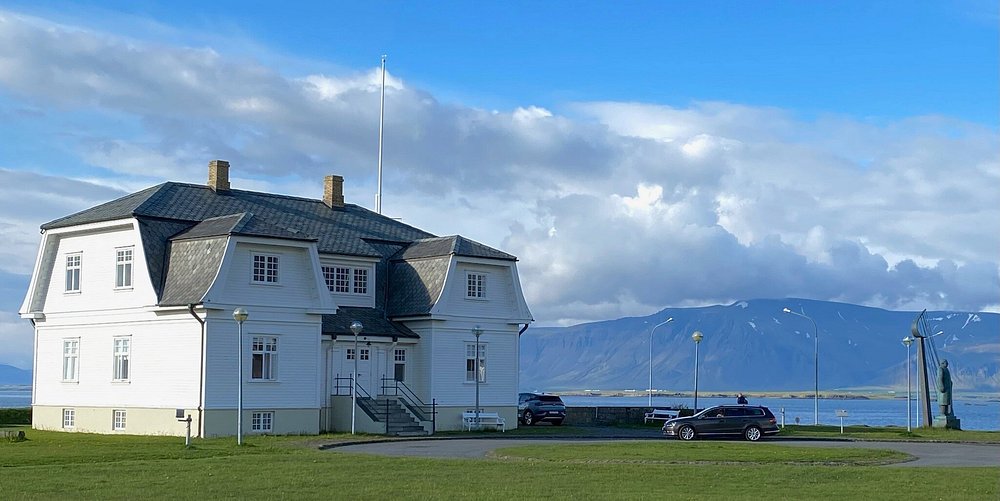
Höfði House: The historic white villa where Ronald Reagan and Mikhail Gorbachev met in 1986, signaling the beginning of the end of the Cold War.
Partnership (Sculpture): An abstract bronze piece by Pétur Bjarnason that stands near Höfði House, commemorating fifty years of diplomatic friendship between Iceland and the United States.
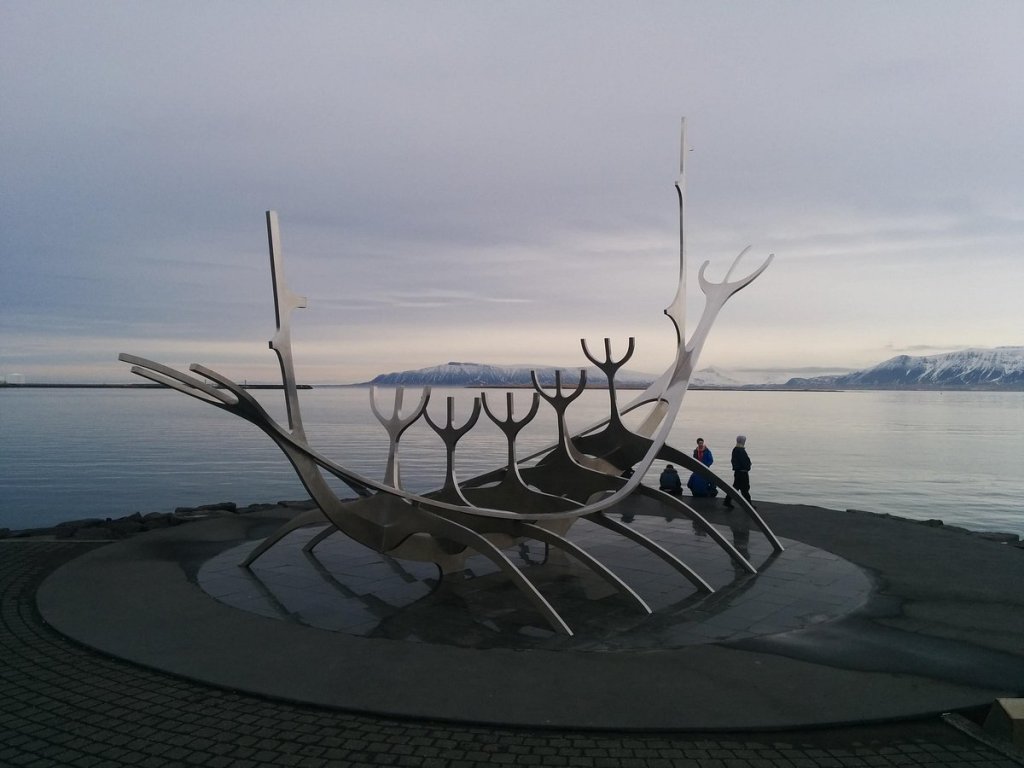
The Sun Voyager (Sólfarið): Reykjavík’s most photographed landmark. Created by Jón Gunnar Árnason, this gleaming stainless-steel structure resembles a stylized Viking longship. It was designed as an ode to the sun, symbolizing hope, progress, and undiscovered territory.
The Musician (Sculpture): A bronze statue by Ólöf Pálsdóttir depicting a cellist, positioned directly outside Harpa.
Harpa Concert Hall: The architectural transition point where the main shore walk blends straight into the active Old Harbour docks and tour boat piers.
Þúfa (Thufa Art Mound): Located at the far western tip of the Grandi peninsula. This large, grass-covered dome features a spiral path leading to a historic fish-drying shed, serving as the physical end-cap to the harbor’s art walk.
Laugavegur → Höfði House → Grandi Route
1 Start on Upper Laugavegur & Head East
Instead of heading downhill, start on the upper end of Laugavegur (near Hlemmur Square) and walk east toward the towering office buildings. Turn left onto Nóatún or Katrínartún and walk straight down to the coastline to cross the main road toward the white villa.
2 Stop 1: Höfði House & Partnership Sculpture
The Landmark: Marvel at Höfði House, the beautiful 1909 white timber building famous for hosting the historic 1986 summit between Ronald Reagan and Mikhail Gorbachev.
Bonus Art: Step onto the lawn to view the abstract Partnership sculpture (celebrating US-Iceland relations) and a real, preserved segment of the Berlin Wall gifted to the city.
3 Take the Shore Walk to the Sun Voyager
The Route: Turn left (west) onto the paved coastal trail (Sæbraut promenade). Walk along the water for about 15 minutes.
Stop 2: Arrive at The Sun Voyager (Sólfarið), capturing the iconic stainless-steel longship framing the Faxaflói Bay.
4 Follow the Waterfront Trail to Harpa
The Route: Continue walking west along the water for another 8 to 10 minutes.
Stop 3: Reach the Harpa Concert Hall. Pop your head into the geometric glass atrium to warm up before hitting the open docks.
5 Cross the Old Harbour Docks into Grandi
The Route: Exit Harpa, pass the whale-watching boats and historic green fishing shacks, and walk onto Grandagarður street.
Stop 4: You are now in Grandi. You will pass the Reykjavík Maritime Museum and the Omnom Chocolate Factory.
6 End at the Þúfa Art Mound
The Route: Follow Grandagarður street to its very end at the northern tip of the harbor.
The Finish Line: Climb the spiral path to the top of the Þúfa grass hill. Take a breather and enjoy a panoramic view looking all the way back down the coast to Höfði House
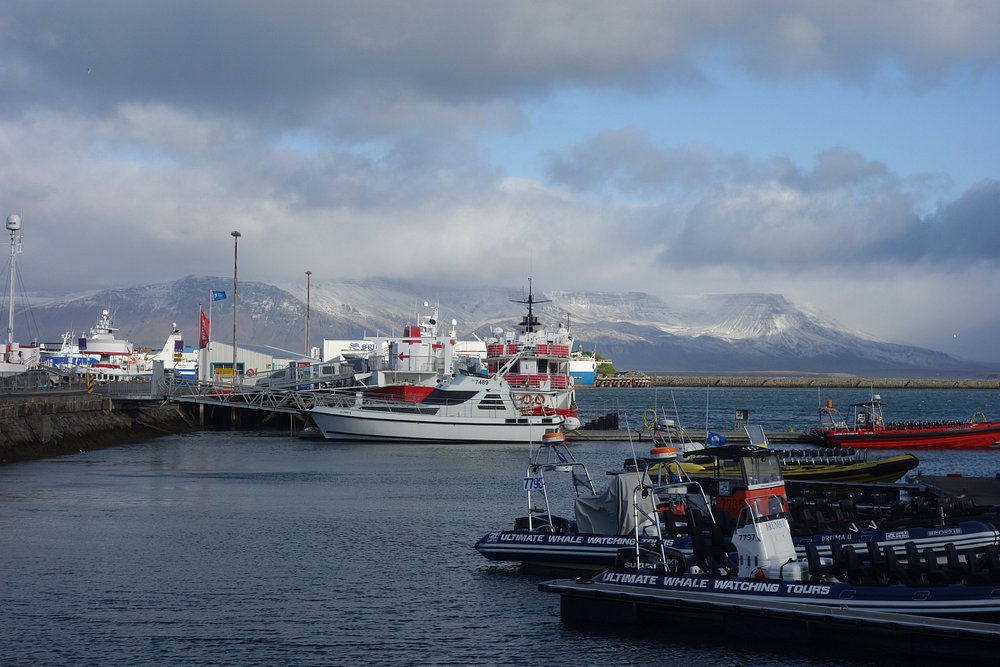
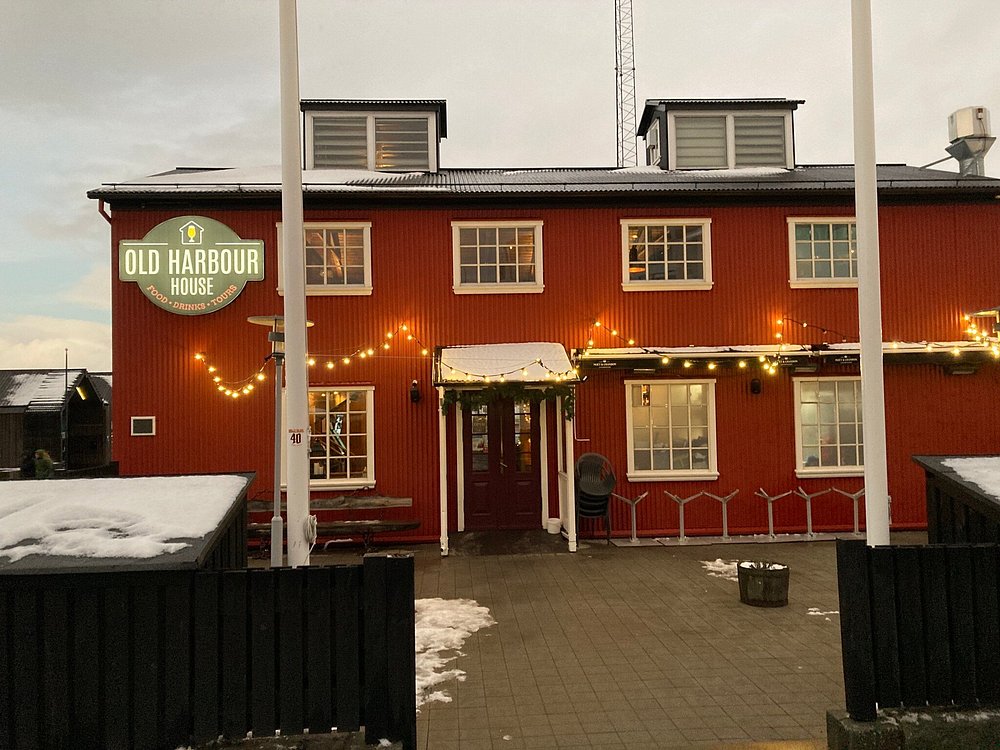
Grandi (The Old Harbor): The Hip Foodie Enclave
Grandi is Reykjavík’s fast-evolving industrial-chic neighborhood, located just a 15-minute walk northwest of the historic city center. Once a gritty stretch of fish-packing plants, shipyards, and marine warehouses, this harborfront district has transformed into a trendy cultural hub.
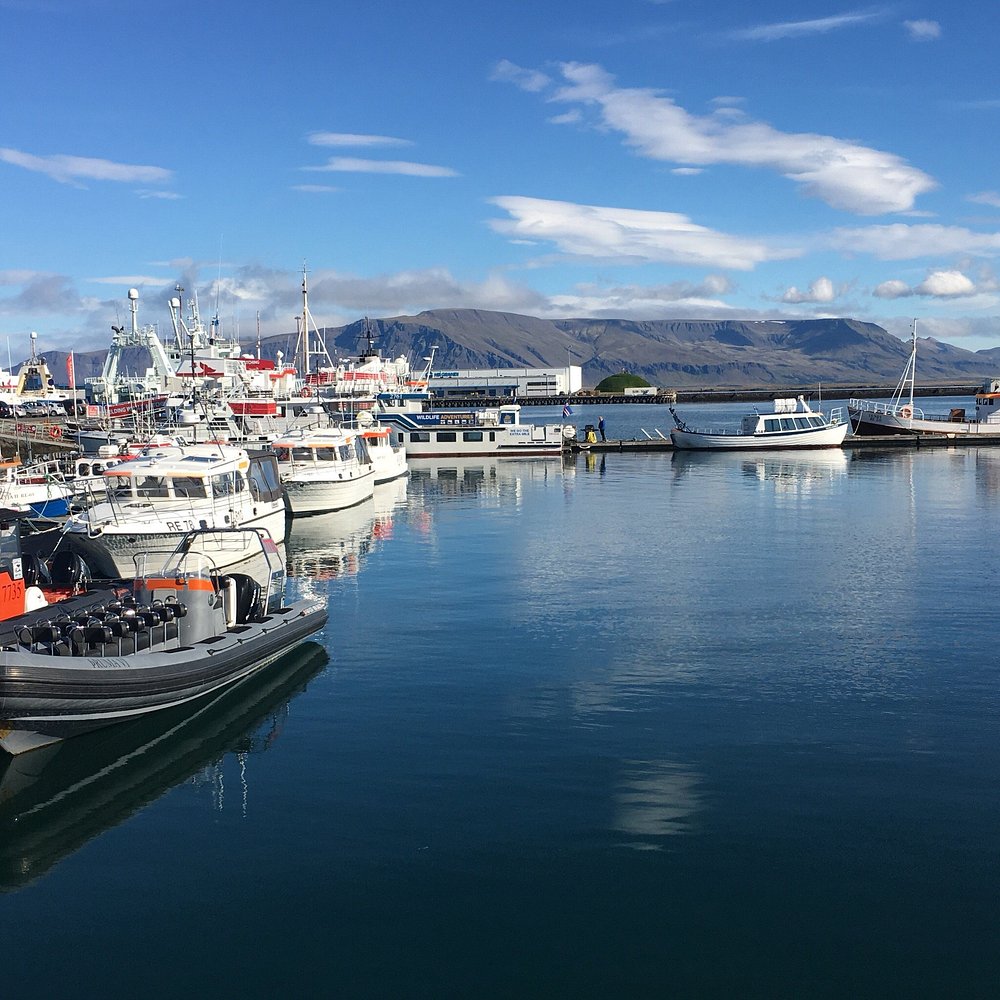
Best for food lovers, modern design, and family attractions.
The Vibe: Industrial-chic. Once a gritty fishing warehouse district, Grandi has evolved into the city’s trendiest cultural quarter where locals go to avoid downtown tourist crowds.
Key Landmarks: The interactive FlyOver Iceland, the Reykjavík Maritime Museum, and the grass-covered Thufa (Þúfa) art installation offering panoramic harbor views.
Eat & Drink: The Grandi Mathöll food hall offers diverse local food stalls, while the Omnom Chocolate factory treats those with a sweet tooth.
Evidence Check: Perfect for travelers looking for fewer queues and better food value than the central downtown strip.
Key Attractions & Cultural Sights
Grandi has become the city’s primary neighborhood for interactive museums and large-scale art installations.
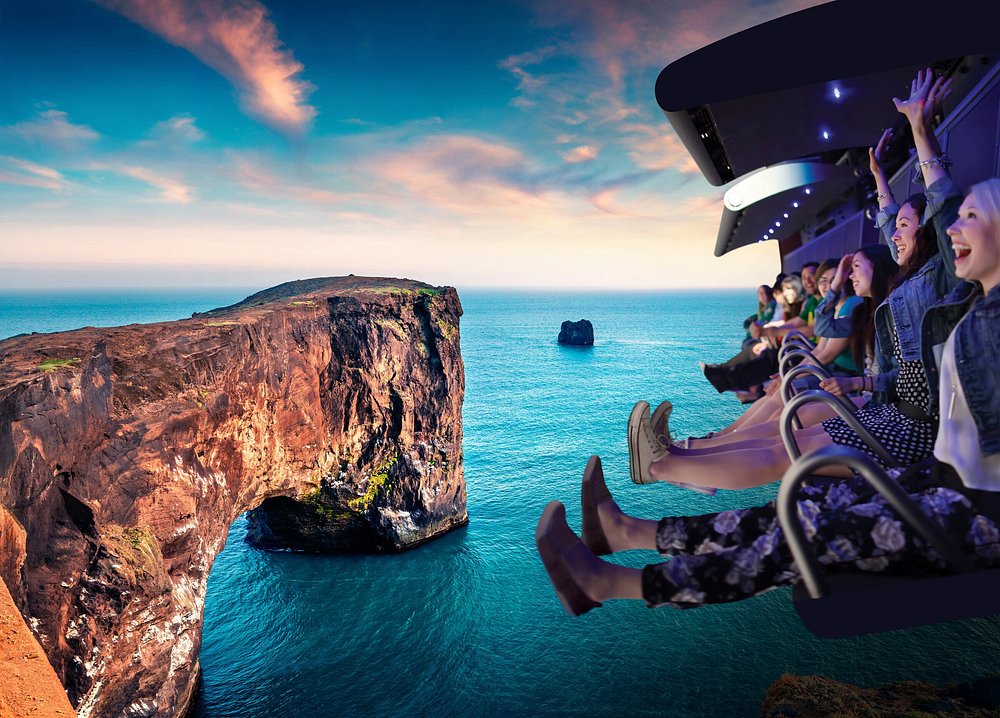
FlyOver Iceland: A popular flight simulator experience that uses a massive motion-controlled spherical screen, wind, mist, and scents to give you the sensation of flying over Iceland’s most dramatic glaciers, canyons, and waterfalls. Reykjavík Maritime Museum: Housed in a former fish freezing plant, this museum showcases Iceland’s deep ocean heritage, detailing how fishing transformed the nation from a poor society into a modern economy.
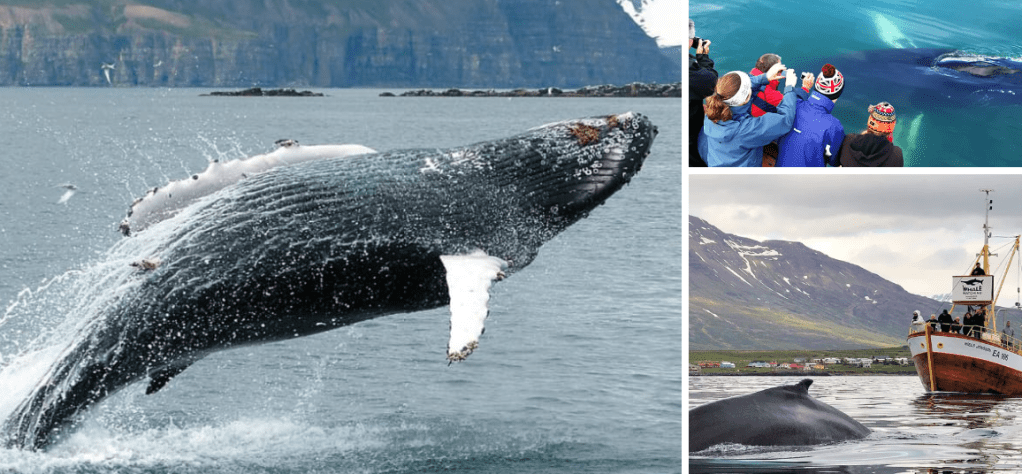
Whales of Iceland: A massive exhibition hall containing 23 life-sized, hand-painted models of whale species found in Icelandic waters, complete with soft ambient lighting and underwater acoustics.
Þúfa (Thufa): A unique outdoor art installation by Icelandic artist Ólöf Nordal. It is a large, grass-covered hemispherical mound with a walking path that spirals to the top, where a small traditional fish-drying shed sits. The summit offers great panoramic views of the harbor and Harpa Concert Hall.
The Food & Sweet Scene
Grandi is a major culinary destination, particularly celebrated for its casual dining and artisanal treats.
Grandi Mathöll (Food Hall): Located right on the pier in a refurbished warehouse, this lively indoor food hall features rotating street-food stalls serving everything from fresh Icelandic lamb burgers and fish and chips to Korean street food and local craft beers.
Omnom Chocolate Ice Cream Shop: Iceland’s premier bean-to-bar chocolate manufacturer opens its factory doors to visitors. You can stop by their sleek storefront to buy award-winning chocolate bars or indulge in over-the-top, gourmet soft-serve ice cream creations covered in handmade toppings.
Valdís: A legendary local ice cream parlor credited with sparking a year-round ice cream obsession in Reykjavík. Locals line up out the door even in freezing winter weather for unique, rotating flavors like salted liquorice, lavender, and bacon.
Vesturbær: The Cozy Local Quarter
Because Reykjavík is highly compact, you can easily walk into Vesturbær. From the historic main square (Austurvöllur) or the Old Harbour, simply walk west along streets like Vesturgata or Túngata. It takes about 15 to 20 minutes to reach the heart of the residential area or the Vesturbæjarlaug geothermal pool.
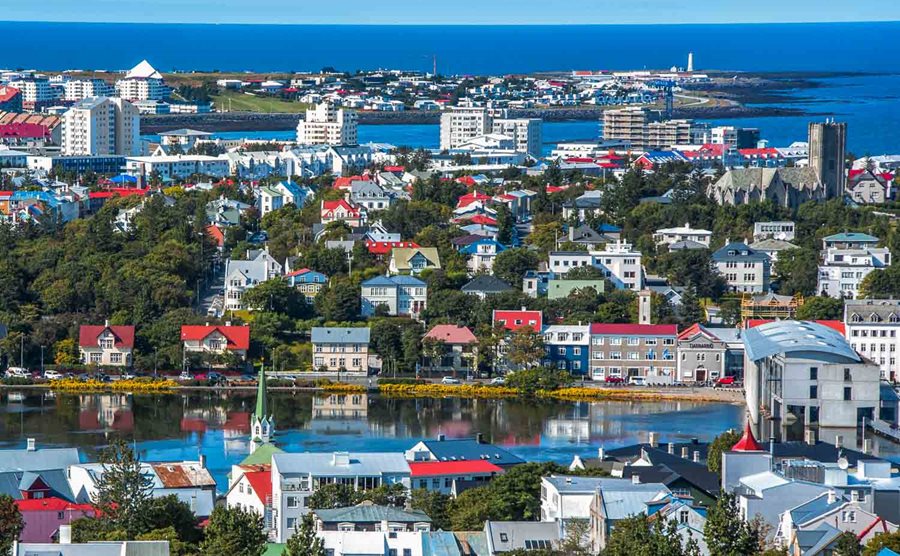
Vesturbær (literally translating to “West Town” or Zip Code 107) is Reykjavík’s oldest residential neighborhood and sits directly west of the central downtown grid. While downtown is bustling with tourists and nightlife, Vesturbær offers a quiet, upscale, and incredibly charming look into authentic Icelandic neighborhood life.It is characterized by orderly streets lined with historic corrugated-iron homes, quiet coastal paths, and a deeply rooted community spirit.
Best for families, quiet evenings, and authentic local life.
The Vibe: Upmarket and residential. Located just west of downtown, this neighborhood features an organic layout of historic buildings and a strong community feel.
Key Landmarks: Vesturbæjarlaug, a beloved geothermal swimming pool where locals gather to chat about politics and daily life in the hot tubs.
Eat & Drink: Cozy independent bakeries and artisan coffee shops that offer a slower, neighborhood pace.
Evidence Check: Widely considered one of the safest and most peaceful districts in the capital region.
The Heart of the Community: Vesturbæjarlaug
If you want to experience true Icelandic culture, skip the high-end tourist lagoons and visit Vesturbæjarlaug.
The Vibe: This is widely considered the ultimate neighborhood geothermal pool in the capital.
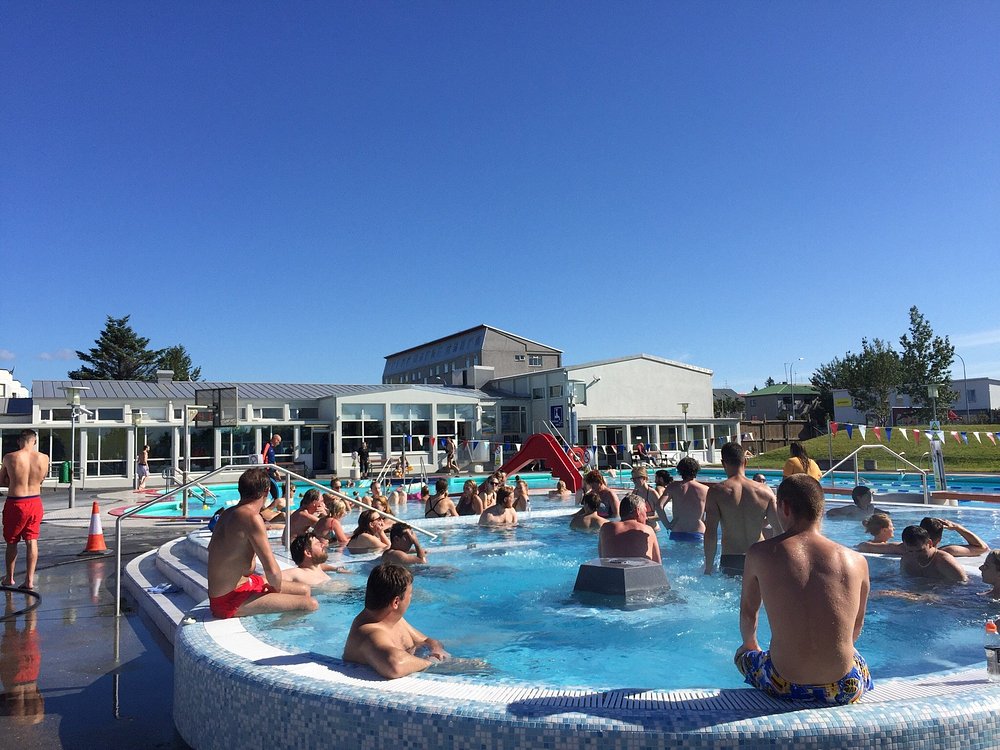
The Ritual: It serves as a community town hall. Locals of all ages—including politicians, artists, and families—gather here daily in the hot tubs (heitir pottar) to soak, relax, and debate current events, politics, and daily life.
The Setup: It features an outdoor lap pool, multiple geothermal hot tubs of varying temperatures, a steam bath, and a cold plunge pool.
The Legendary Artisan Bakery Scene
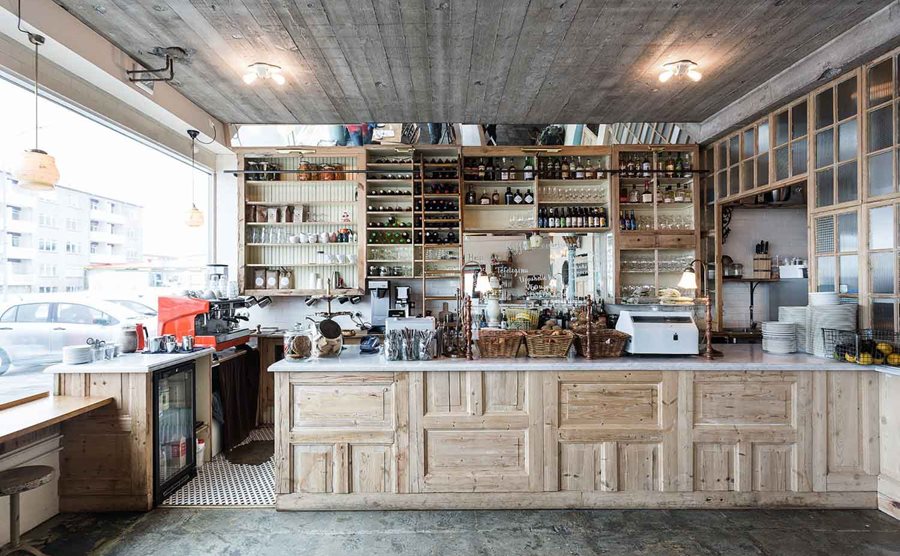
Vesturbær is famous among locals as a premier destination for exceptional artisan baking and third-wave coffee culture.
Brauð & Co (Melhagi Location): While they have a famous location downtown, their Vesturbær shop is a neighborhood staple. Locals line up early for their legendary, warm cinnamon snails (kanilsnúðar) and fresh sourdough loaves.
Kaffihús Vesturbæjar (Kaffi Vest): Located directly opposite the swimming pool, this cozy, retro-styled bistro and coffee house is the neighborhood’s living room. It is a fantastic place to sit with a book, grab a specialty espresso, or enjoy a bowl of traditional Icelandic lamb soup among locals.
Ísbúð Vesturbæjar: This is arguably the most famous ice cream parlor in Iceland. It is credited with pioneering the “Old Method” (gamli mátturinn) soft-serve ice cream—a milk-based, less creamy vanilla soft serve that locals douse in hard-shell chocolate toppings and crushed candy.
University Vibe & Culture
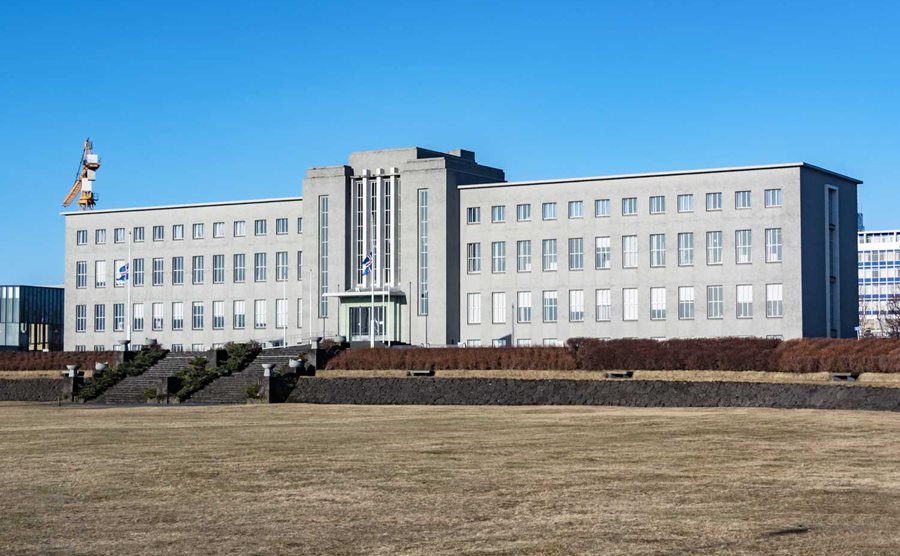
The southern half of the neighborhood houses the University of Iceland (Háskóli Íslands), which injects a youthful, intellectual, and bohemian energy into the area.
The Student Cellar (Stúdentakjallarinn): A hidden gem on the university campus offering affordable local craft beers, casual food, and a cozy atmosphere that welcomes visitors.
The Nordic House (Norræna Húsið): Designed by the legendary Finnish architect Alvar Aalto, this striking modernist cultural center sits on the edge of the campus wetlands. It hosts Nordic art exhibitions, a library, and a beautiful restaurant with panoramic views of the city center.
Ægisíða: The Scenic Coastal Path
The southern border of Vesturbær faces the open Atlantic Ocean along a road called Ægisíða.The Walk: A beautifully paved walking and cycling path runs along the rocky shoreline, offering unobstructed views of the Bessastaðir peninsula (the President’s official residence) and the volcanic mountains in the distance.
The Sights: Along the path, you will pass historic turf-roofed fish-drying sheds, old stone walls, and small sandy coves where locals occasionally brave the freezing ocean waters for wild sea-swimming.
Accomadation Recommendations:
Refurinn Guesthouse- An incredibly clean, cozy, and eco-conscious boutique guesthouse nestled deep in the residential streets of Vesturbær.
Charming Guesthouse Near Downtown- Highly-rated, intimate local apartments offering a deeply personalized touch.
Local 101 Vesturbaer- $182 USD per night- Situated right on Ránargata on the immediate border of downtown and Vesturbær. It is laid-back, low-key, and unpretentious.
Grandi by Center Hotel- $174 USD per night- Located on Seljavegur, this trendy property sits exactly where upper Vesturbær meets the Grandi district. It is built inside a beautifully converted former industrial steelworks.
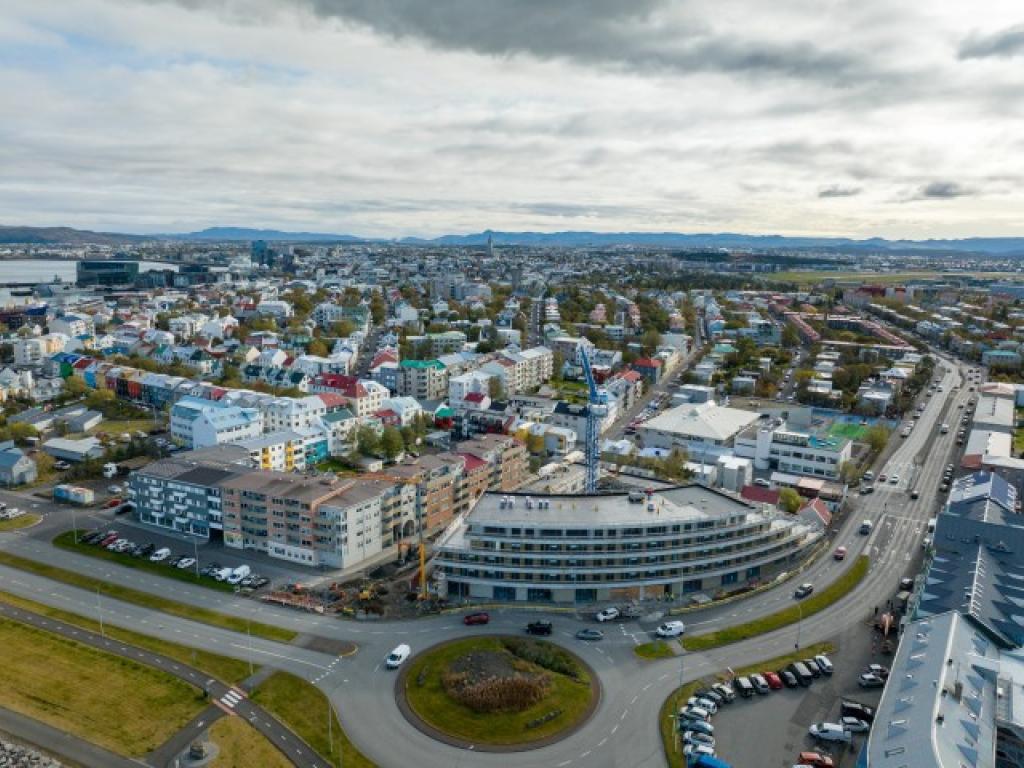
Seltjarnarnes: The Coastal Nature Escape
You can easily reach Seltjarnarnes by taking Strætó Bus Line 11 from downtown Reykjavík, which drops you off within easy walking distance of the shore path. If you love long walks, you can follow the continuous, paved Seltjarnarnes Peninsula Jogging Path all the way along the waterfront from the Old Harbour.
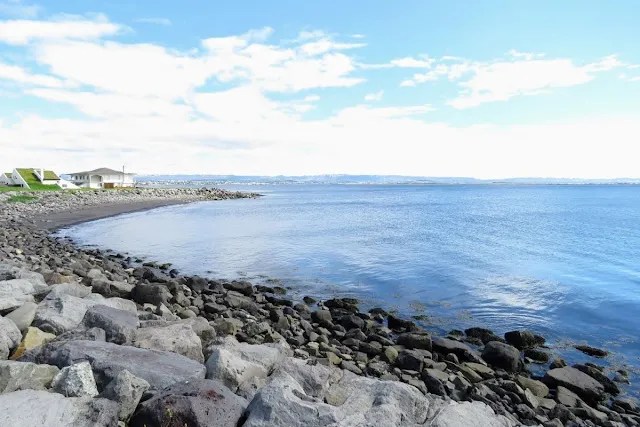
Seltjarnarnes is a wild, scenic coastal township that sits on the westernmost tip of the peninsula, directly bordering the Vesturbær neighborhood. Although it blends seamlessly into the edge of Reykjavík, it is technically its own independent municipality.Measuring just 2 square kilometers, it is the most densely populated municipality in Iceland, yet it feels entirely like a serene, wide-open nature escape. Surrounded by the Atlantic Ocean on three sides, it is the ultimate destination in the capital region for sweeping panoramic views, wildlife viewing, and hunting the Northern Lights.
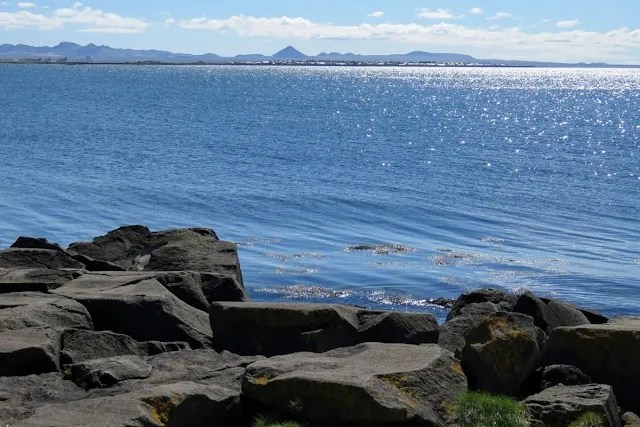
Best for Northern Lights hunting and scenic ocean views.
The Vibe: Serene, wild, and coastal. Technically its own municipality on the western tip of the peninsula, it blends seamlessly into Reykjavík’s outer edge.
Key Landmarks: The historic Grótta Lighthouse, vast coastal walking paths, and the tiny Kvika footprint—a hidden geothermal footbath carved into the rocky shoreline.
Evidence Check: Widely recognized as one of the best dark-sky vantage points close to town to catch the Northern Lights or sunsets.
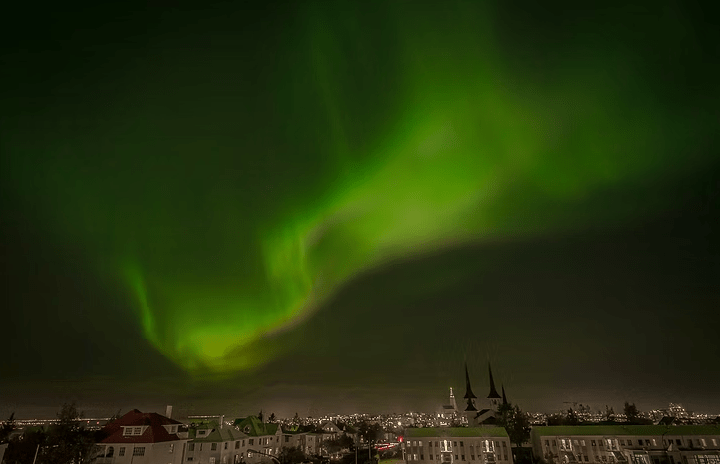
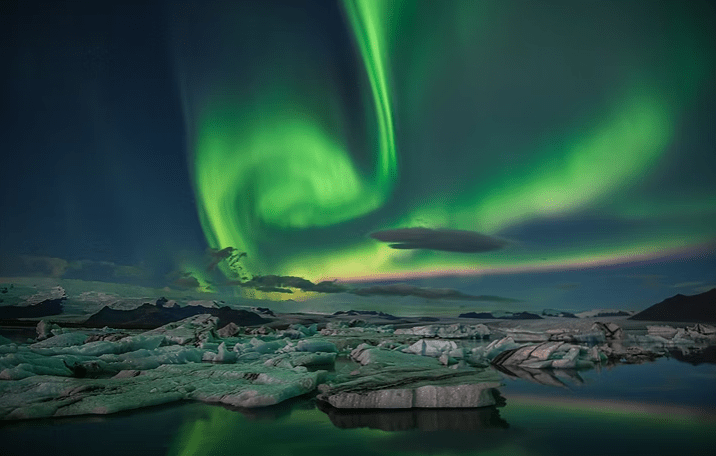
The Premier Northern Lights & Sunset Hub
Because Seltjarnarnes points straight out into the dark Atlantic Ocean, away from the heavy streetlights of downtown Reykjavík, it has very low light pollution.
Winter Magic: On clear winter nights, the parking lot near Grótta fills up with locals and travelers waiting to watch the Northern Lights dance over the ocean and the lighthouse.
Summer Sunsets: In the summer months, it offers completely unobstructed views across Faxaflói Bay all the way to the distant Snæfellsjökull Glacier, making it the finest spot in the city to watch the midnight sun dip below the horizon.
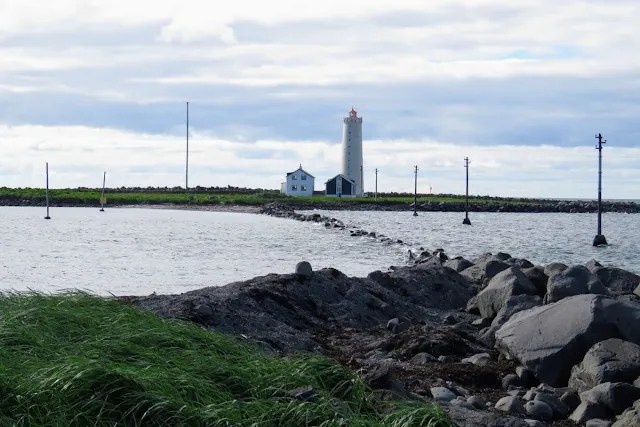
Grótta Nature Reserve & Lighthouse
The crowning attraction of Seltjarnarnes is Grótta, a dramatic coastal nature reserve that acts as a sanctuary for over 100 species of migratory birds, including massive colonies of Arctic terns.
The Lighthouse: At the very end of the rocky spit sits the iconic Grótta Lighthouse, originally constructed in 1897 and rebuilt in 1947. It cuts a striking white silhouette against the black sand beach and the open ocean.
The Tidal Walk: The lighthouse is located on an island connected to the mainland by a thin causeway. It is only accessible on foot during low tide, giving you roughly a six-hour window to cross over and explore.
Warning: Always consult a local tide chart before crossing so you don’t get stranded by the rising high tide.
Seasonal Closure: To fully protect the vulnerable nesting seabirds, the island is strictly closed to the public from May 1st to July 15th every year. However, you can still view the lighthouse beautifully from the mainland beach.
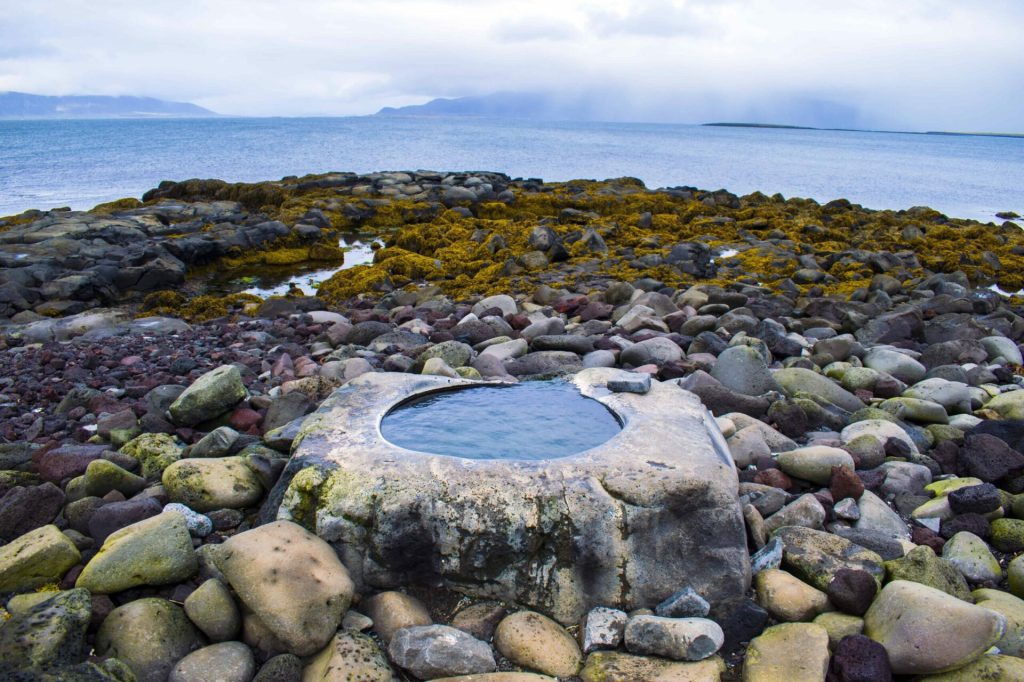
Kvika Footbath: A Hidden Hot Spring
Tucked into the rocky lava shoreline just a short walk from the Grótta parking lot is Kvika, one of the capital’s best-kept secrets. Designed by artist Ólöf Nordal, Kvika is a tiny, man-made geothermal pool carved directly into a large rock. It is explicitly designed as a footbath. Travelers can sit on the surrounding smooth rocks, plunge their feet into the geothermally heated 39°C (102°F) water, and take in the freezing sea air while enjoying views of Mount Esja.
Laugardalur (The Valley): The Wellness & Fitness Hub
Taking the municipal bus is the easiest and most cost-effective way to reach the valley. Hop on Line 12 or Line 14 at central downtown hubs like Hlemmur or Lækjartorg. Get off at Laugardalslaug for the thermal pool complex and
Grasagarður or Sportcenter for the Botanical Garden and Zoo.
Laugardalur (literally translating to “Hot Spring Valley”) is Reykjavík’s premier center for sports, wellness, and outdoor recreation. Located roughly 3 kilometers (1.8 miles) east of the downtown core, this geothermally active valley holds deep historical roots. In the city’s early days, local women carried heavy loads of laundry down to the natural steaming springs to wash clothes in the bubbling waters.Today, those historic springs have been transformed into a massive, green public park network that acts as the ultimate hub for fitness-conscious locals and families seeking to escape the downtown tourist crowds.
Best for outdoor recreation, thermal pool fans, and budget stays.
The Vibe: Active, green, and spacious. This geothermally active valley is the historical heart of where locals once did laundry, now transformed into a sports paradise.
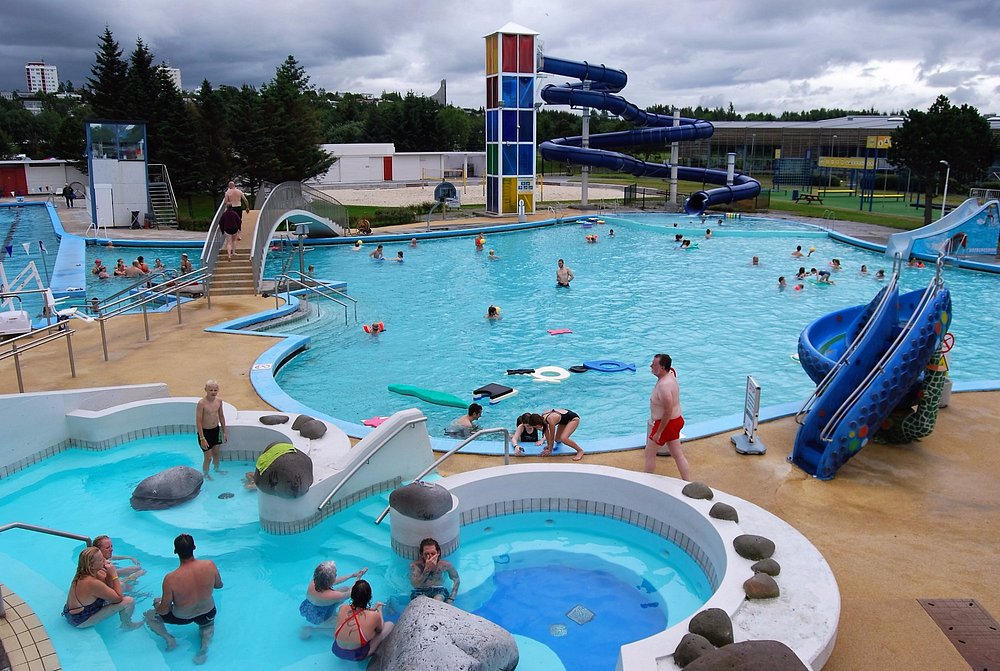
Key Landmarks: Laugardalslaug, the city’s largest heated thermal pool complex featuring massive outdoor pools, waterslides, and steam baths. You’ll also find the Reykjavík Botanical Garden and Zoo here.
Evidence Check: This area features great budget accommodation options and offers an authentic slice of everyday life away from central tourist hubs.
Laugardalslaug: The Crown Jewel Geothermal Complex
Laugardalslaug is the largest and most well-equipped public thermal pool complex in Iceland. It is highly regarded as a mandatory cultural experience for travelers wanting an authentic look at local life.
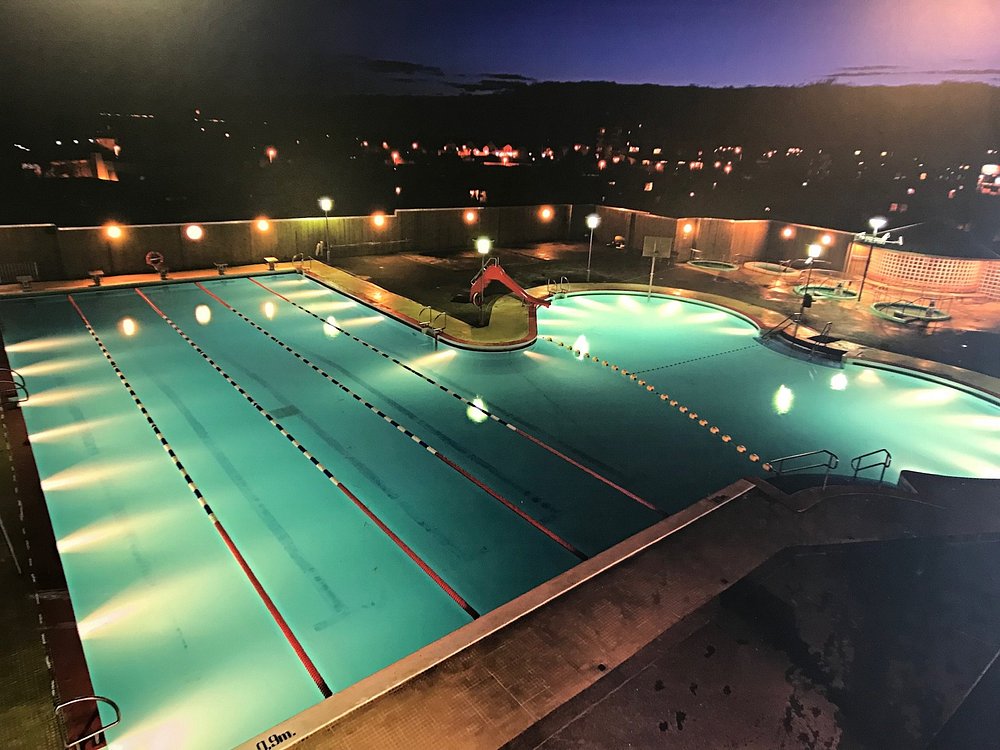
The Facilities: It features a massive 50-meter outdoor Olympic lap pool, a vast recreational pool, a 50-meter indoor pool, a twisting 86-meter waterslide, a steam bath, and a cold plunge.
The Heitir Pottar (Hot Tubs): The complex is famous for its collection of circular geothermal hot tubs ranging from 38°C to 42°C (100°F to 108°F), including a specialized seawater hot tub pumped with geothermally heated mineral ocean water.
Pricing & Entry: General adult admission is 1,500 ISK (roughly $11 USD), but it is entirely free to enter if you hold a valid Reykjavík City Card.
Parks, Flora, and Family Attractions
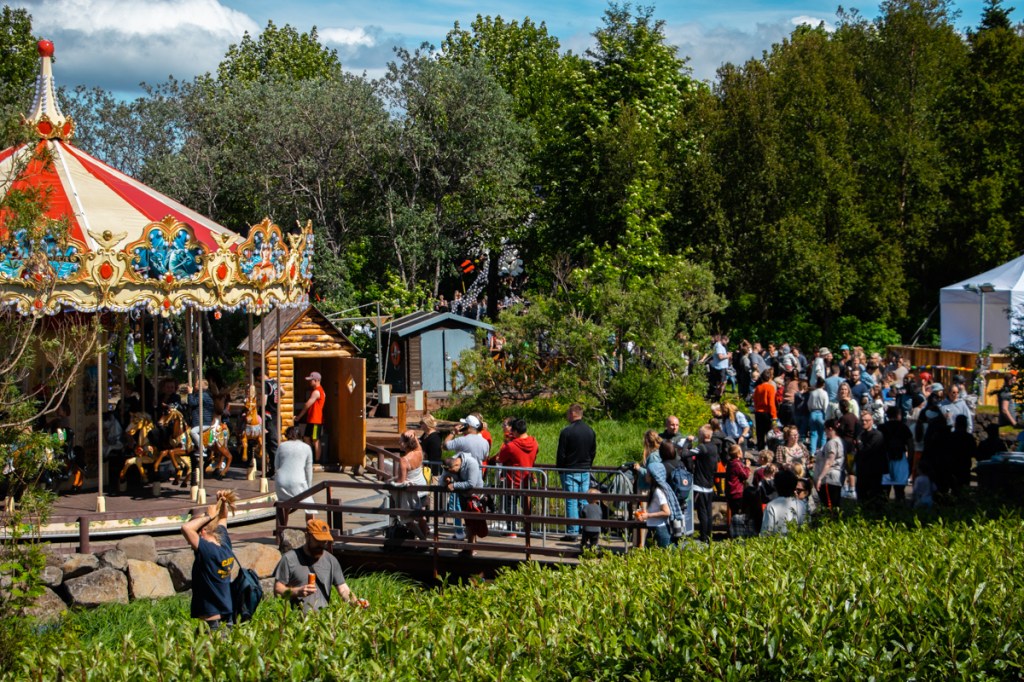
Beyond the pool complex, the surrounding valley functions as a lush, sprawling sanctuary.Grasagarður Botanical Garden: An outdoor collection of over 3,000 living plant species showcasing the surprising diversity of northern temperate climate vegetation. The garden features peaceful wooden bridges, streams, and walking paths. Entry is 100% free to the public year-round.
Flóran Garden Bistro: Located directly inside a beautiful glass greenhouse within the Botanical Gardens. It offers upscale Nordic lunch items, local cakes, and fresh coffee served under creeping grapevines and flowering bougainvillea.
The Reykjavík Family Park and Zoo (Húsdýragarðurinn): Situated right next to the gardens, this charming family-oriented park focuses heavily on native Icelandic animals, including arctic foxes, reindeer, seals, horses, and traditional farm livestock. Note: Unlike the botanical garden, the zoo does charge an admission fee.
The Sports & Events District
Laugardalur is the physical home base for Icelandic athletics and major international events.
Laugardalshöll Arena- This major indoor multi-purpose arena hosts massive international music concerts, trade shows, and athletic competitions. Historically, it is world-famous for hosting the legendary 1972 World Chess Championship showdown between Bobby Fischer and Boris Spassky.
Laugardalsvöllur- The national sports stadium located right in the valley, serving as the home turf for the Icelandic national football (soccer) teams.
Seasonal Tips for Exploring Reykjavik
Weather and daylight conditions change drastically throughout the year in Reykjavík. Choosing the right season determines whether you will be exploring under the endless glow of the Midnight Sun or hunting for the Northern Lights across snowy landscapes.
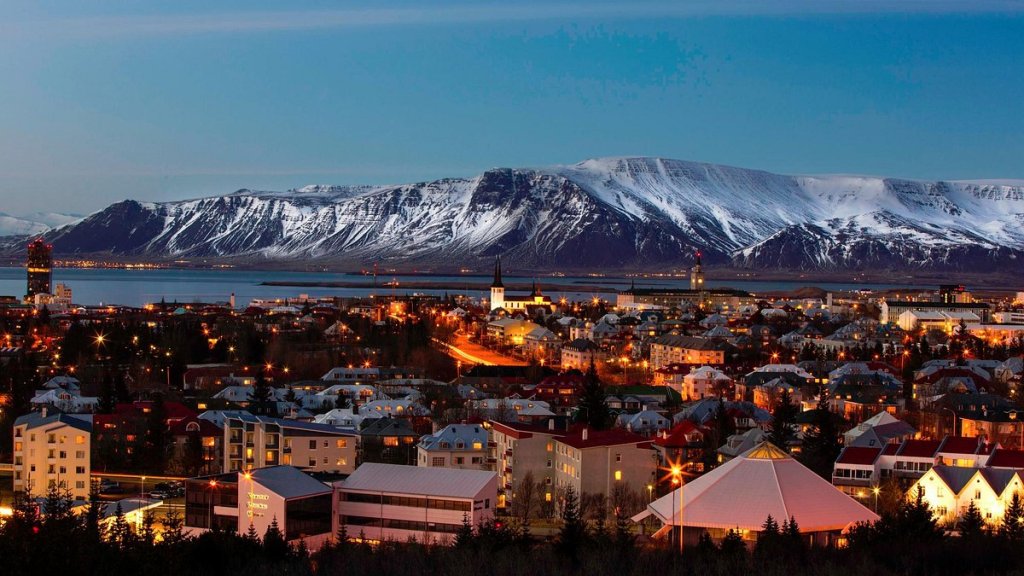
Summer (June – August): The Midnight SunBest for maximum sightseeing, outdoor festivals, and lush green landscapes.
Daylight: 20 to 24 hours of daylight. The sun barely dips below the horizon, giving you endless time to explore without feeling rushed.The Weather: Milder and more stable, with average highs around 10°C to 15°C (50°F to 59°F).
Key Activities: Whale-watching tours, hiking the local trails, enjoying outdoor patios in Miðborg, and attending the Total Solar Eclipse on August 12, 2026.
Essential Packing: A high-quality eye mask for sleeping, lightweight layers, and a windproof jacket.
Shoulder Seasons (May & September): The Balance
Best for fewer crowds, lower accommodation prices, and a mix of experiences.
Daylight: 12 to 14 hours of daylight, which mirrors standard European and North American autumns and springs.The Weather: Highly unpredictable. You can experience rain, intense wind, and bright sunshine all in a single afternoon. Temperatures hover around 5°C to 10°C (41°F to 50°F).Key Activities: September brings the official start of the Northern Lights season, while May offers incredible bird-watching as puffins arrive on the coast.
Essential Packing: Sturdy waterproof boots, a fleece mid-layer, and a fully waterproof outer shell.
Winter (October – April): The Aurora & Snow
Best for Northern Lights hunting, festive holiday vibes, and ice cave tours.Daylight: Limited to 4 to 6 hours of daylight around the winter solstice (December). The sun hangs low, creating a continuous “golden hour” effect that is beautiful for photography.
The Weather: Cold, dark, and icy, with averages hovering around -1°C to 3°C (30°F to 37°F). Intense wind-chill can make it feel significantly colder.
Key Activities: Viewing the Northern Lights from Seltjarnarnes, soaking in the steaming outdoor water at Vesturbæjarlaug, and exploring downtown’s beautiful Christmas markets.
Essential Packing: Thermal base layers (merino wool), a heavy down parka, a warm hat, gloves, and shoe ice cleats (crampons) for walking safely on icy city sidewalks.
Attributions:
Totally Iceland-101-Downtown
https://totallyiceland.is/local-life/neighborhood-guide-reykjavik-101-midborg/
Reyjavik.is
https://reykjavik.is/en/reykjavik-family-park-and-zoo
HitIceland
https://www.hiticeland.com/post/when-is-the-best-time-to-visit-iceland-local-expert
Re.is
https://www.re.is/
Visit iceland
https://www.visiticeland.com/service-provider/5ec7d096a90548233654de14
Reyjavik.is
https://reykjavik.is/en/news/2025/mayors-neighborhood-days-begin-vesturbaer
 Hockeywiztravelsblog
Leave a comment