The Oslofjord is a scenic, 120-kilometer (75-mile) inlet in southeastern Norway that serves as the centerpiece of life in the capital, Oslo. Unlike the dramatic, cliff-lined fjords of western Norway, the Oslofjord is a sprawling network of calm waterways, forested hills, and over 40 distinct islands. Geologically, it is actually a rift valley formed by volcanic activity and crustal shifts rather than a classic glacier-carved fjord. The inner fjord islands—like Hovedøya, Gressholmen, and Lindøya—are just a short ferry ride from the city center.
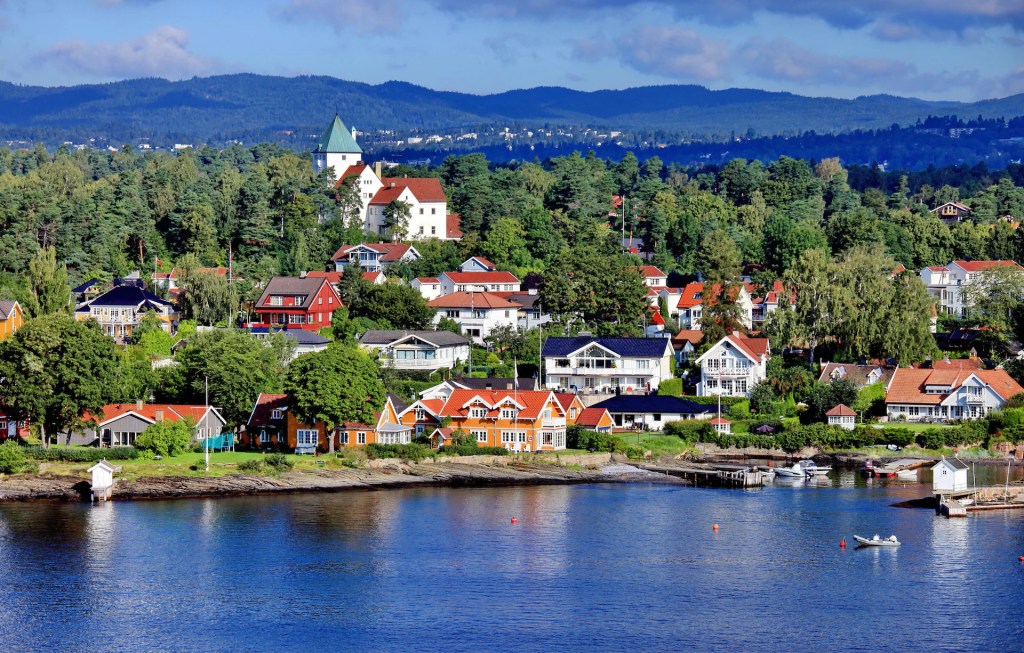
Sightseeing tours depart regularly from the Aker Brygge pier. Options range from traditional wooden sailing ships with shrimp buffets to modern all-electric silent boats. Cruising the fjord offers the best views of Oslo’s modern skyline, including the Oslo Opera House (designed to look like a glacier) and the Munch Museum. The fjord is a year-round destination for floating saunas, where visitors alternate between a hot steam and a cold dip in the water. Popular swimming spots like Huk on the Bygdøy peninsula are packed in the summer.
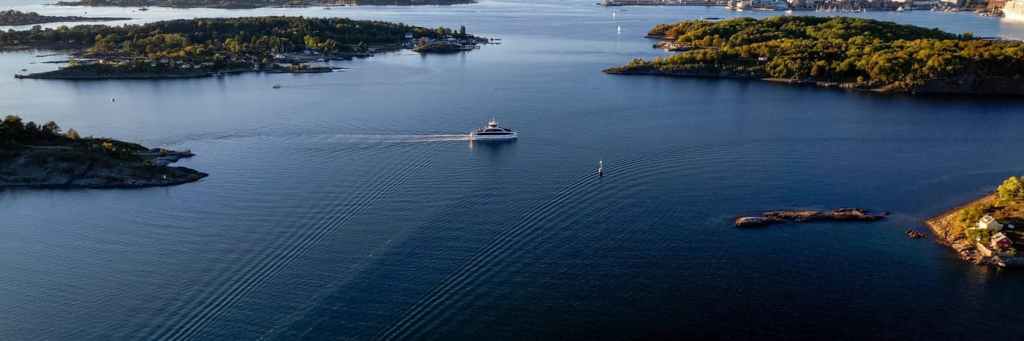
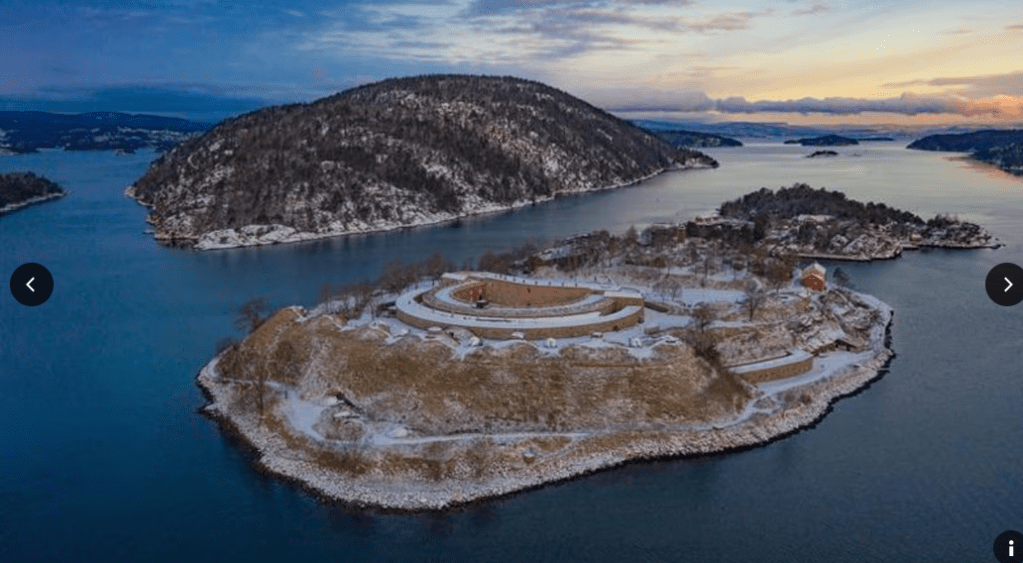
Beyond the city, the fjord is lined with historic towns and landmarks like Drøbak, a charming coastal town just an hour away, home to a famous year-round Christmas house, Oscarsborg Fortress, located on an island in the narrowest part of the fjord, this historic site played a critical role in WWII, and Bygdøy, a museum peninsula where you can see well-preserved Viking ships and the Fram polar vessel. May to August offers the best weather for swimming and island hopping. In winter, the fjord takes on a quiet, hushed atmosphere, and in rare conditions, it can even freeze enough for ice skating. Public ferries are part of the Ruter transport system, so you can use a standard city ticket or the Oslo Pass to visit most islands.
History of the OsloFjord
The history of the Oslofjord is a 300-million-year saga that began with cataclysmic volcanic activity and evolved into the strategic heart of Norway. Unlike the deep, glacier-carved fjords of Western Norway, the Oslofjord is geologically a rift valley (or graben) formed when the earth’s crust pulled apart.
1. Geological Origins (300 Million Years Ago)
The fjord’s foundation is the Oslo Rift, a massive fracture in the earth’s crust created during the Permian period.
Volcanic Activity: Intense volcanic eruptions once covered the region in lava. Today, you can see the remnants of these volcanoes at Kolsås and Ullernåsen.
National Rock: This period produced Larvikite, a unique iridescent blue-grey stone found almost nowhere else on Earth. It is now Norway’s national rock and is used globally in architecture.
Glacial Finishing: During the ice ages, glaciers followed these ancient weak zones, deepening the valley. When they retreated ~10,000 years ago, the sea flooded the valley to create the modern fjord.
2. Early Settlements and the Viking Era
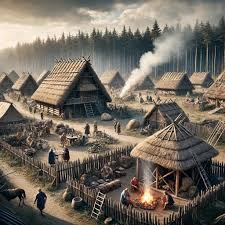
As the ice retreated, the Oslofjord became one of Norway’s most densely populated regions due to its fertile land and abundant sea life.
Stone Age Hub: Archaeologists have found some of Europe’s most significant Stone Age settlements around the Bunnefjord.
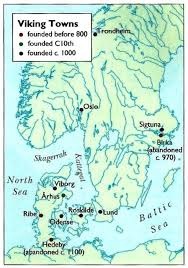
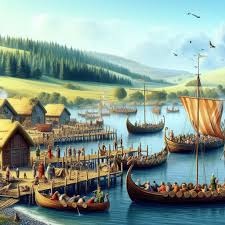
Viking Power: Known then as Viken, the region was a vital hub for Viking trade and political power.
Archeological Treasures: Some of the world’s best-preserved Viking ships—the Gokstad, Oseberg, and Tune—were unearthed from burial mounds along the fjord’s shores.
Kaupang: Located near Larvik, Kaupang was Norway’s first majoMedieval Strategic Importance
3. Medieval Strategic Importance
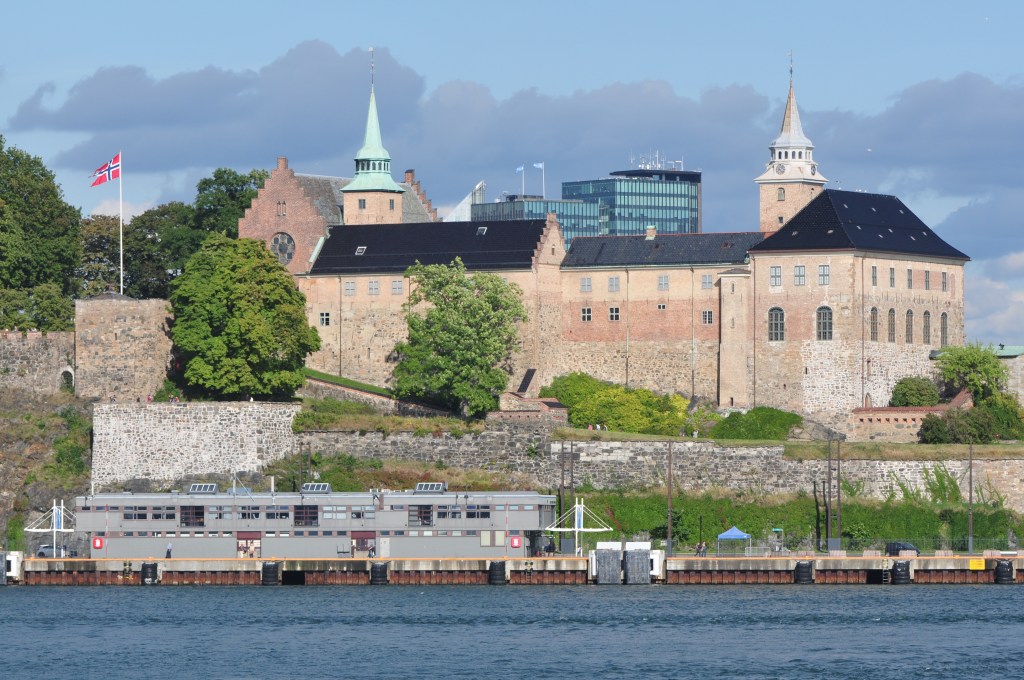
In 1299, King Haakon V moved the capital to Oslo, cementing the fjord’s status as a national lifeline.
Akershus Fortress: Built at the end of the 13th century, this stronghold at the mouth of Oslo’s harbor defended the city from numerous seaborne sieges over the centuries.
Maritime Trade: By the 19th century, Christiania (Oslo) became Norway’s most important maritime hub, exporting timber and ice across the globe. r Viking trading town, facilitating trade as far as Persia.
4. World War II: The Battle of Drøbak Sound
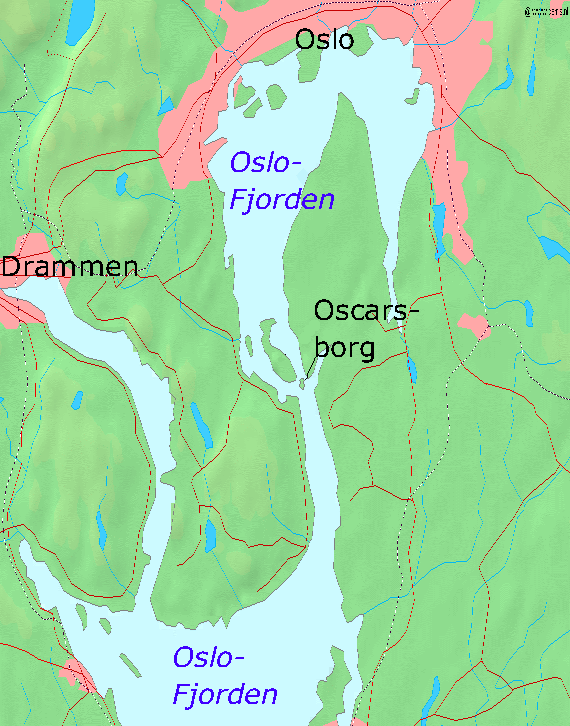
The fjord played its most critical historical role on April 9, 1940, during the German invasion of Norway.
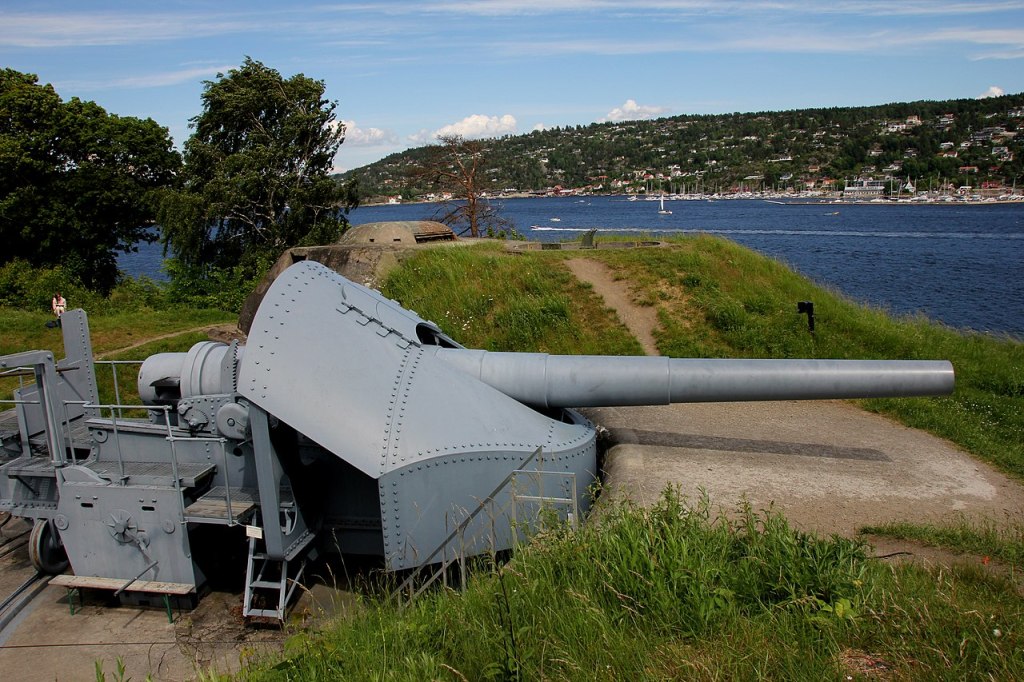
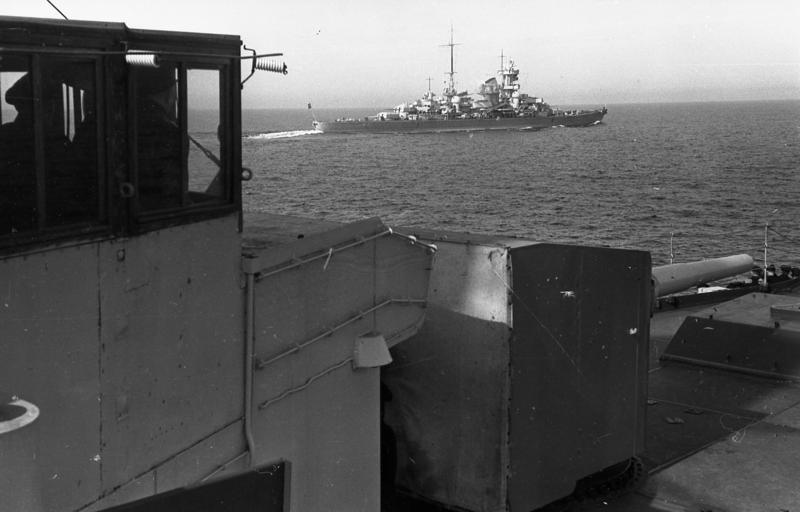
The Sinking of the Blücher: A German fleet led by the heavy cruiser Blücher attempted to sail up the fjord to capture the King. Oscarsborg Fortress engaged the fleet at the narrow Drøbak Sound.
Ancient Weapons: Despite using 40-year-old guns and torpedoes, the fortress sank the Blücher, killing 600–800 German soldiers.
Saving the Government: This delay allowed the Norwegian Royal Family and the government to escape Oslo with the national gold reserves, preventing Norway from being fully decapitated on day one of the invasion.
5. Modern History: Environmental Recovery
By the 1970s, the inner fjord was critically polluted from industrial runoff and sewage.
The Clean-up: Massive investment in sewage treatment and environmental regulations led to a dramatic recovery. Today, the water is clean enough for urban swimming at city beaches like Sørenga.
Cultural Hub: The fjord is now a center for “fjord-urban” culture, featuring floating saunas and iconic modern architecture like the Oslo Opera House.
Olsofjord Activities
Island Hopping
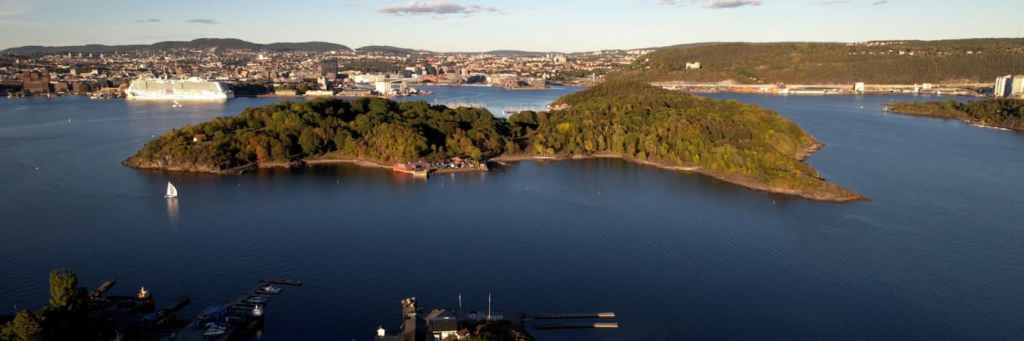
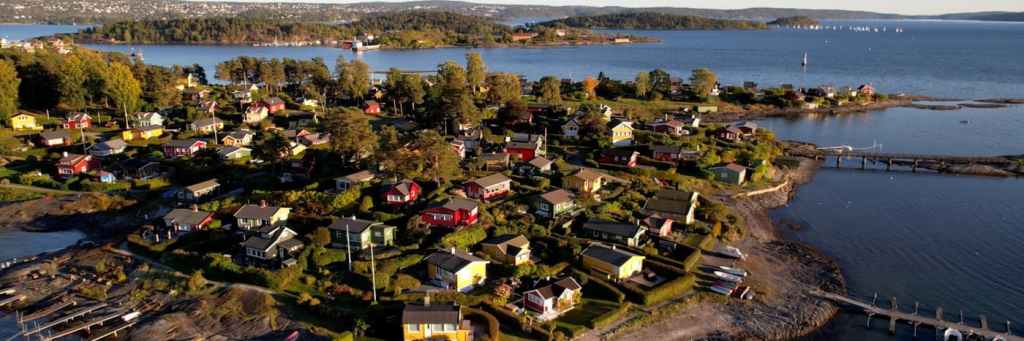
The inner fjord islands—like Hovedøya, Gressholmen, and Lindøya—are just a short ferry ride from the city center. You can explore medieval ruins, hike through nature reserves, or visit car-free “cabin islands” filled with colorful summer homes.
Medieval history at Hovedøya island
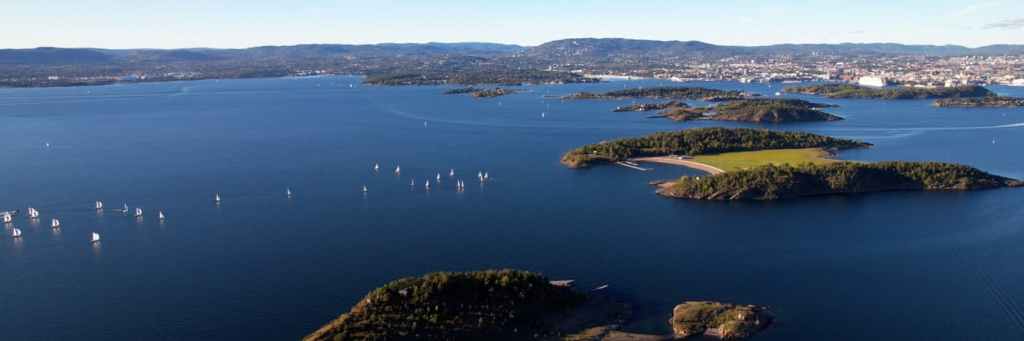
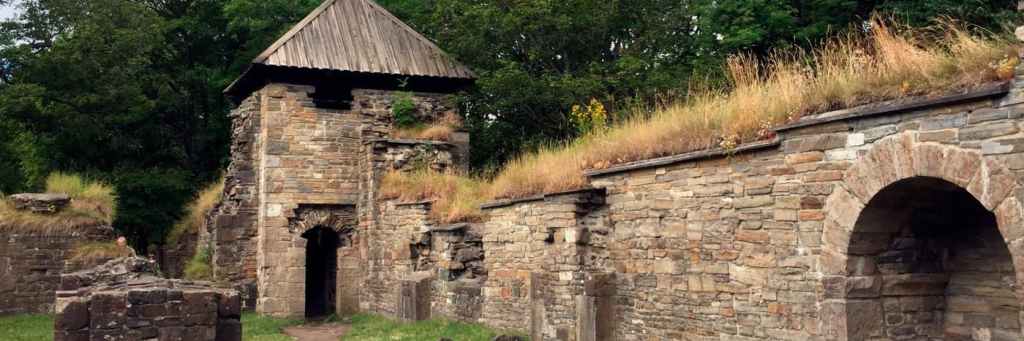
Each of the islands in the innermost part of the fjord has its own characteristics and history. At Hovedøya you can glance at the busy city while relaxing on the beach. As well as exploring the old monastery ruins or see the remains of the cannons and powder magazines from the 19th century. Right in the middle of the island you’ll find a large grassy field perfect for ball games and other fun summer activities. Klosterkroa café is open during the summer and offers Toast Skagen, prawns, Norwegian waffles other delicious lunch dishes.
Camping on Langøyene island
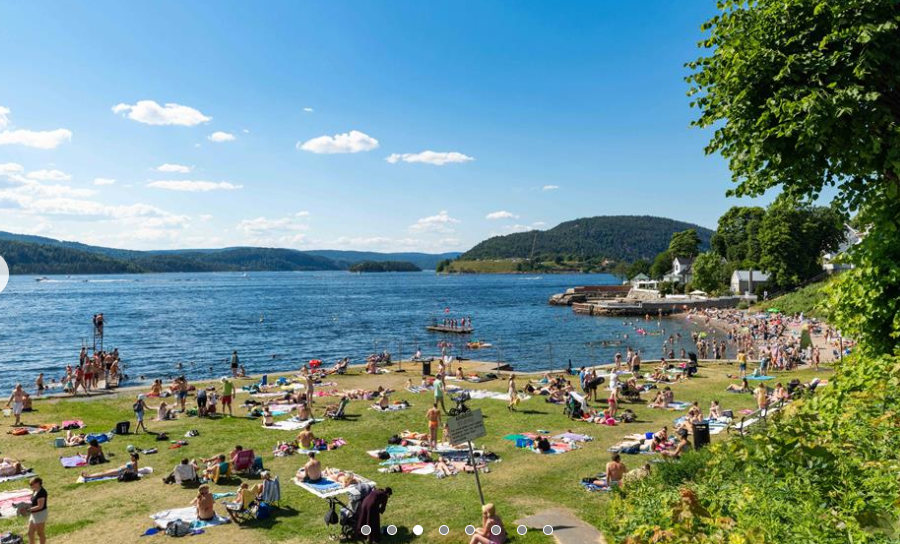
Langøyene island is the only island where you’re allowed to spend the night in a tent (for maximum two successive nights), as long as you’re following the rules of conduct. The northern side of the island is where you’re allowed to camp. Langøyene island was originally two separate islands which was eventually connected with a grassy meadow between them. On the island you’ll find an elongated sandy beach, a kiosk, toilets, and a nudist area.
Seafood and swimming
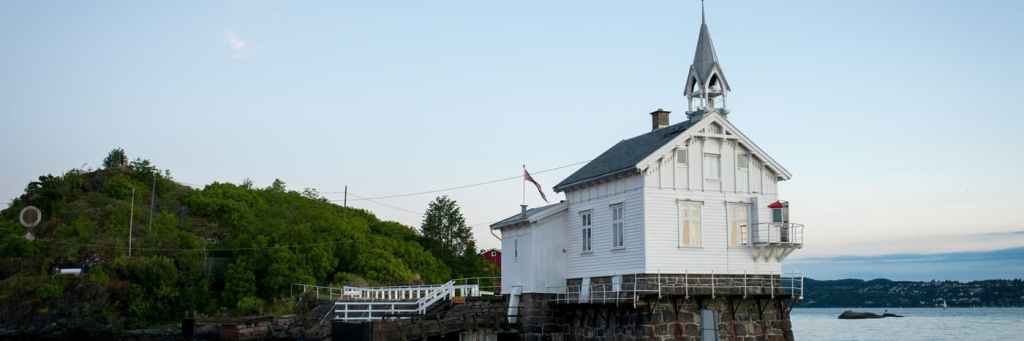
Gressholmen, Rambergøya and Heggholmen are three connected islands with excellent swimming spots on the eastern side of Gressholmen island and on the southern part of Rambergøya island. Gressholmen Kro is a seasonal café and restaurant that is open during summer, and offers delicious dishes like oysters, prawns, mussels and chicken wings. At Heggholmen island you’ll find Heggholmen Lighthouse, one of the oldest lighthouses in the inner Oslo Fjord.
Minigolf and diving on the “cabin islands”
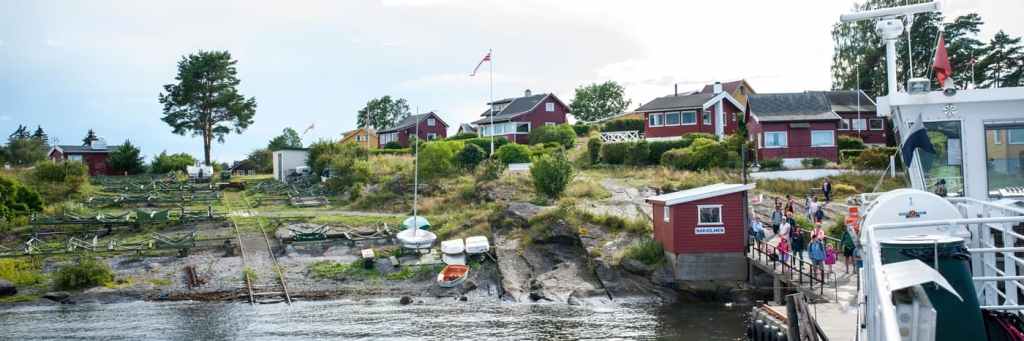
The Nakholmen and Lindøya islands are known for their many summer cabins but can be visited by non-residents as well. Nakholmen island has a small beach on the southwestern part of the island, equipped with a bathing jetty, diving board and a swimming raft. On Lindøya, swimming is advised only at the designated spots – Kjøkkenodden and Badestadion – due to soft, sinking ground along the rest of the shoreline. Both islands are equipped with convenience stores. At Nakholmen there is a grassy field perfect for sporty outdoor activities, while Lindøya has a minigolf court and a football pitch.
Bleikøya has no suitable bathing spots; however, there are several lovely walking trails to explore. Bleikøykalven is an important nesting area for seabirds, and the northern side is a nature reserve.
Bring a picnic basket or enjoy a snack from the charming cafés on the islands. Hop on board a fjord cruise and enjoy the scenery. Whatever you end up doing, you will not regret exploring the Oslo Fjord.
Fjord Cruises
Sightseeing tours depart regularly from the Aker Brygge pier. Most Oslofjord cruises depart from the Aker Brygge area near City Hall and typically last between 1.5 to 3 hours Options range from traditional wooden sailing ships with shrimp buffets to modern all-electric silent boats.
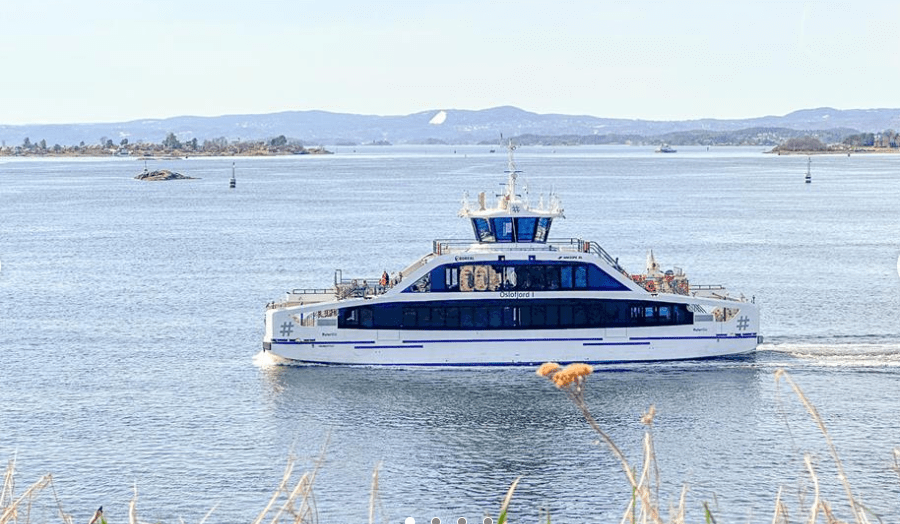
Electric Sightseeing: Eco-friendly, silent catamarans like the Vision of the Fjords offer 90-minute cruises with panoramic windows and no loudspeaker commentary. Prices start from around NOK 430.
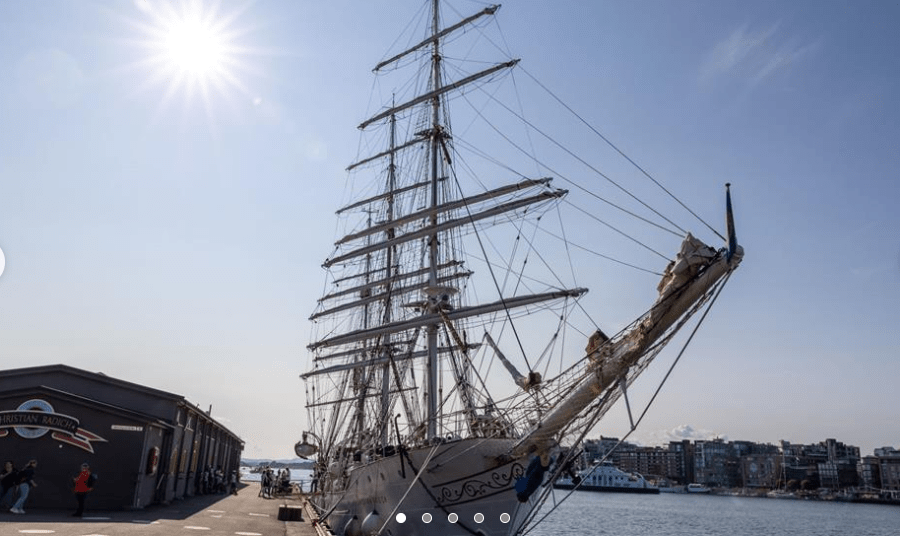
Traditional Sailing Ships: Experience the fjord on a restored wooden sailboat. These often include a classic Norwegian shrimp buffet and last about 2–3 hours.
Dinner & Evening Cruises: Silent electric boats and sailing ships both offer evening tours featuring three-course meals or live music. A dinner cruise typically starts around NOK 1,490.
Waterfront Architecture
Cruising the fjord offers the best views of Oslo’s modern skyline, including the Oslo Opera House (designed to look like a glacier) and the Munch Museum.
The “Glacier” & The “Iceberg”
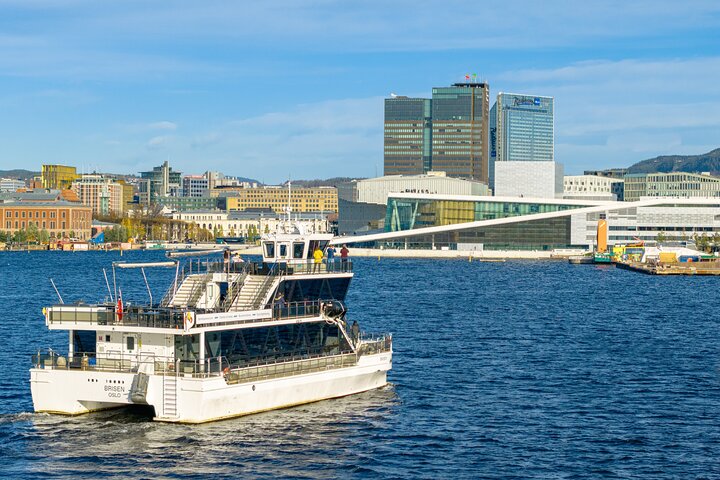
The Oslo Opera House, designed by Snøhetta, is the district’s most iconic building.
The “Glacier”: Its sloping white roof made of Carrara marble and granite is designed to look like a glacier rising from the fjord. It is famously “walkable,” allowing visitors to hike to the top for panoramic views of the water.
“She Lies”: Floating just outside is a massive glass and steel sculpture that represents a drifting iceberg, shifting with the wind and tide
The Bjørvika District
East of the Opera House, the skyline is dominated by two massive projects:
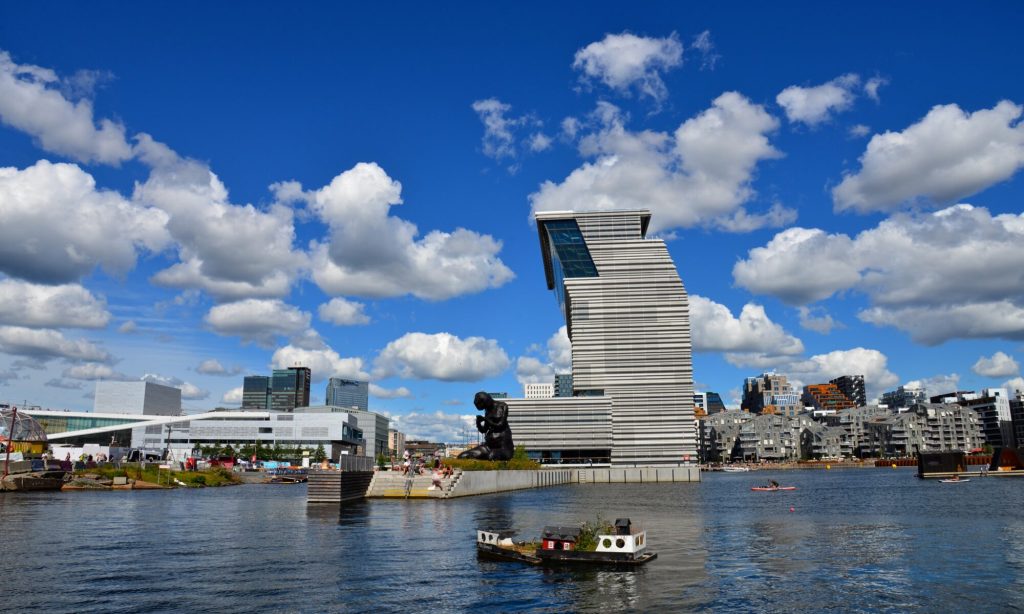
The Munch Museum: A towering, 13-story “leaning” museum clad in perforated aluminum that houses the world’s largest collection of Edvard Munch’s work.
The Barcode Project: A series of 12 narrow high-rise buildings with different heights and widths, designed by various architects to resemble a barcode when viewed from the water.
Aker Brygge & Tjuvholmen
What were once abandoned shipyards are now Oslo’s most vibrant social hubs:
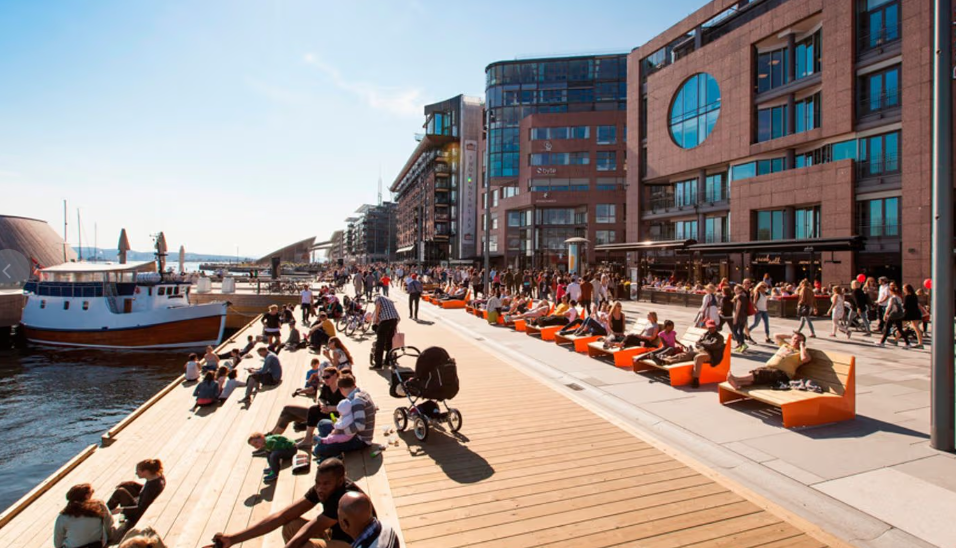
Aker Brygge: A bustling promenade characterized by a mix of historic red-brick shipyard buildings and sleek glass-and-steel modern additions.
Astrup Fearnley Museum: Located at the tip of Tjuvholmen, this Renzo Piano-designed museum features a massive, sail-shaped glass roof that covers three separate wooden buildings.
Sørenga: A residential pier known for its award-winning floating seawater pool, built with sustainable materials to integrate into the natural fjord landscape.
Saunas & Swimming
Urban sauna culture has taken Oslo by storm, and the Oslo harbour now boasts several options for sauna sessions followed by refreshing dips in the fjord. The joys of sauna life, a tradition hailing from our neighbours in Finland, include relaxation, cleansing of the body and a great social atmosphere. A sauna session in Oslo may also be combined with cultural events and fjord sightseeing.
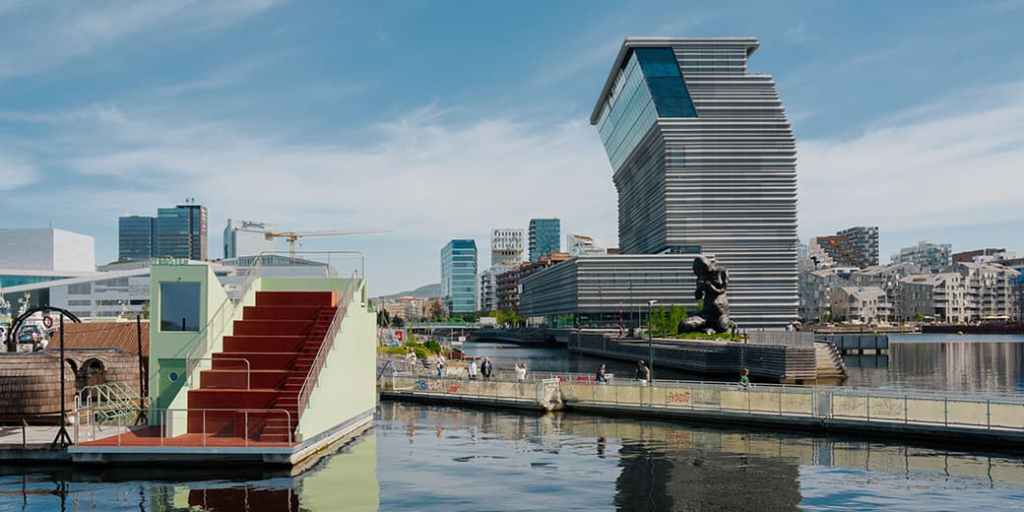
Oslo’s fjordside saunas are located along the harbour promenade, right in the heart of the city centre. They each have their special features – get your swim gear out and pick your favourite. The fjord is a year-round destination for floating saunas, where visitors alternate between a hot steam and a cold dip in the water. Popular swimming spots like Huk on the Bygdøy peninsula are packed in the summer. KOK Oslo’s sauna rafts can hold up to 10 people. They offer a warm, wood-fired sauna combined with refreshing baths, all year round.
When the fjord is free of ice, KOK offers sightseeing trips on the fjord. The boat is quiet, with an electric outboard motor and roof-mounted solar panels, so guests can relax and enjoy the fjord view in a noise-free environment. The charming raft Måken floats on the fjord in Bjørvika. not far from the Opera House. It was built by a group of hard-working sauna enthusiasts from recycled materials and driftwood rescued from the fjord. The sauna can house twelve people at a time, and there is even a hatch in the middle of the floor that leads straight down into the water. Oslo Badstuforening (‘Oslo sauna association’), as these sauna enthusiasts call themselves, has grown tremendously.
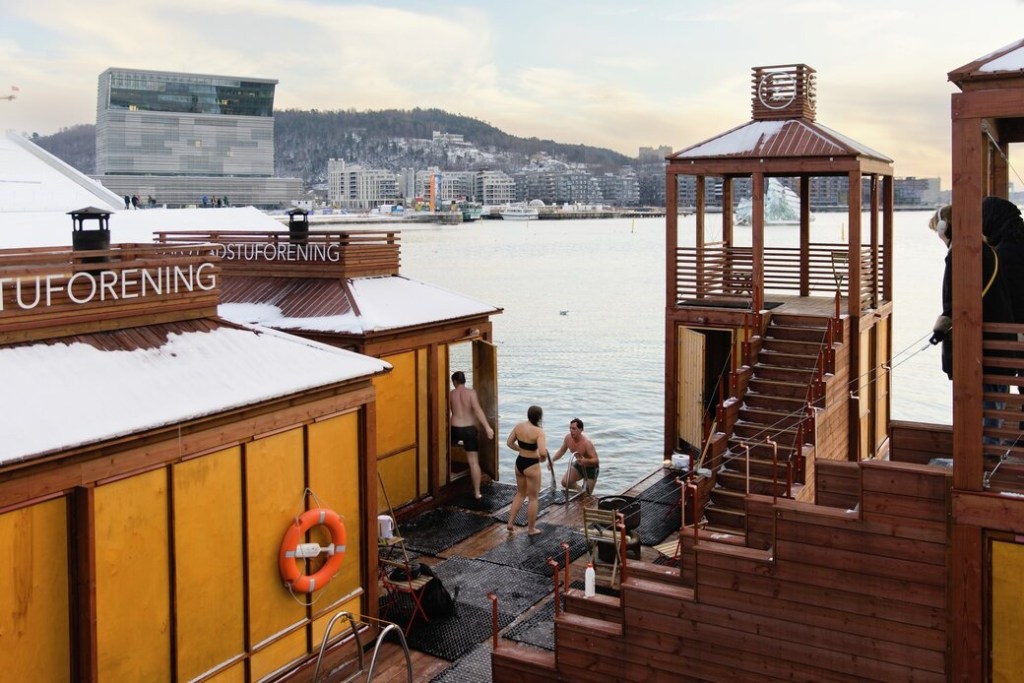
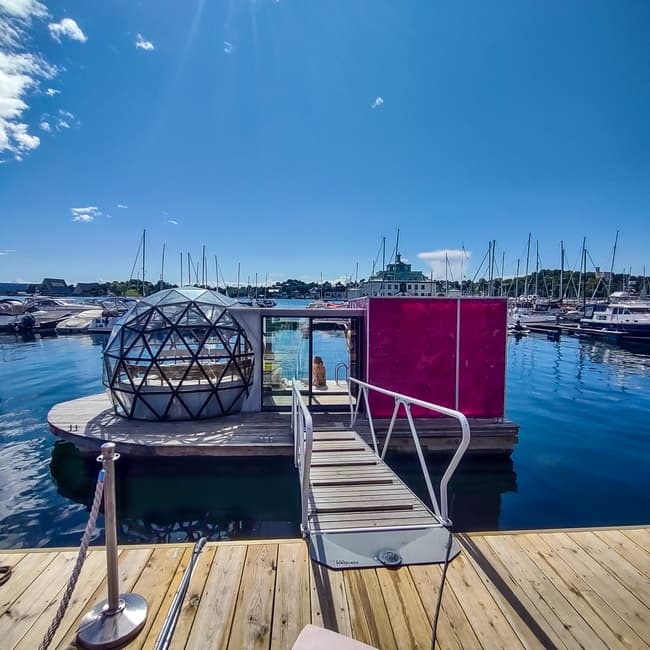
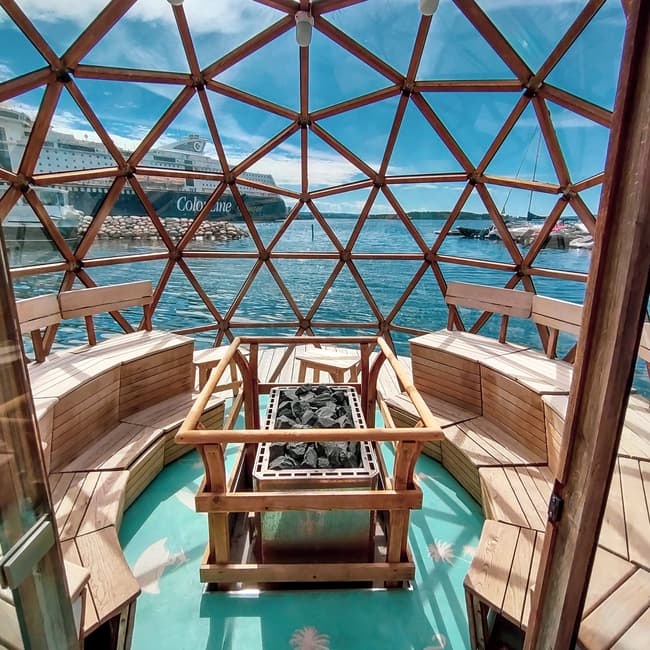
They now also own and run the hot tub Stampen, as well as Skarven, Havørnen and Anda: Architect-designed sauna rafts that can fit up to 15 people each. In 2021 they opened Bademaschinen, a construction inspired by sea bathing facilities from the 19th century. By Frognerkilen you will find Kongen Marina’s dome sauna. The globular glass sauna offers a unique 360-degree view of the beautiful surroundings.
Drobak
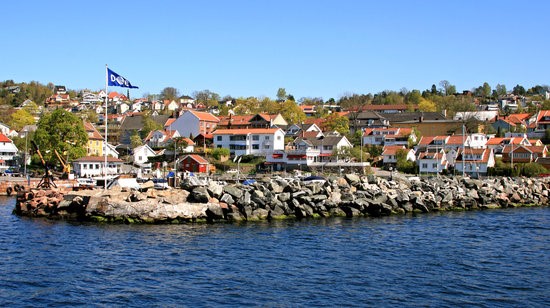
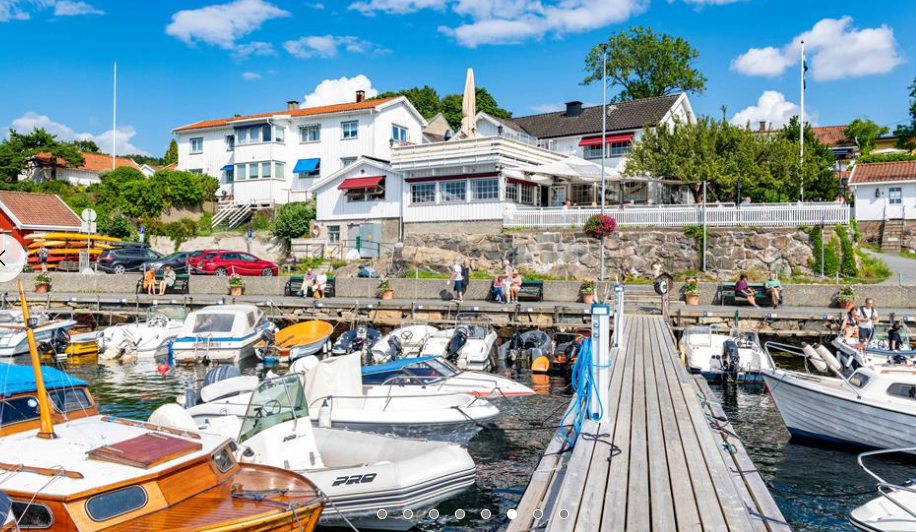
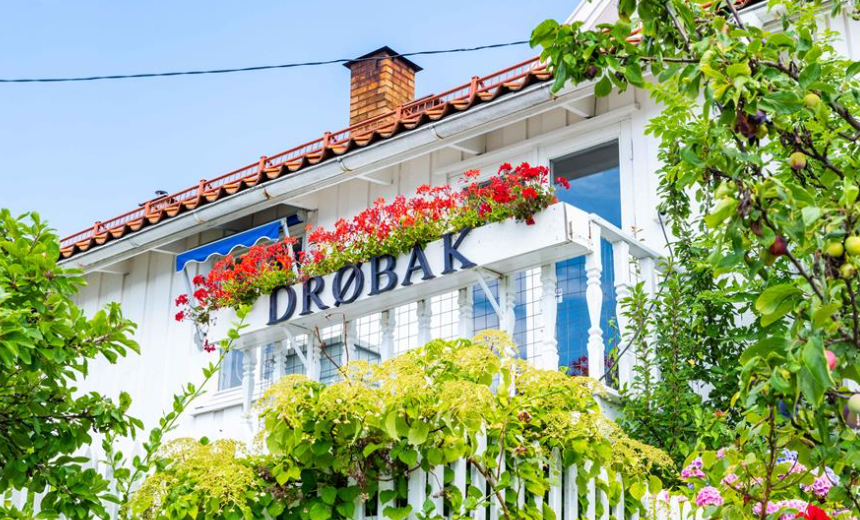
Drøbak is a picturesque coastal town on the sunny side of the Oslofjord, just 30–40 minutes south of Oslo. Known for its well-preserved 18th-century wooden houses, it serves as both a historic “winter harbor” and the official hometown of the Norwegian Santa Claus.
Top Attractions
Oscarsborg Fortress: Located on an island just a 5-minute ferry ride from town, this historic site is famous for sinking the German cruiser Blücher during WWII. Visitors can explore the museum for free, walk through subterranean tunnels, or enjoy a picnic with panoramic fjord views.
Tregaarden’s Christmas House: The only year-round Christmas shop in the Nordic region. It includes Santa’s Post Office, where you can get your letters and cards stamped with an official Santa Claus mark.
Drøbak Aquarium: The only aquarium in eastern Norway, featuring local marine life from the Oslofjord, including the famous Atlantic wolffish, “Hugo”.
Badeparken & Beaches: A scenic park area featuring Parrstranda, one of the finest bathing spots in the inner fjord with diving towers and beach volleyball.
Local Dining
Kumlegaarden: A highly-rated, traditional restaurant in a historic building serving authentic Norwegian meals using local produce.
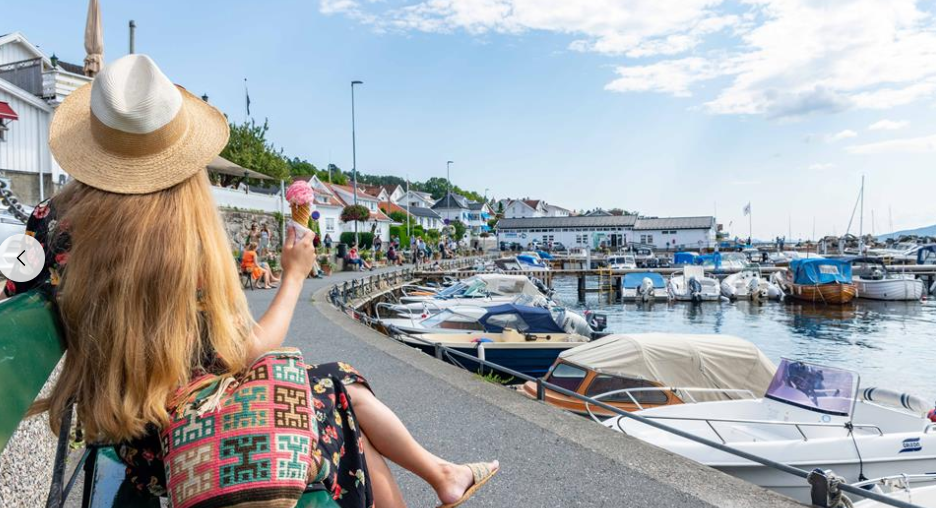
Café Sjøstjernen: Located right in the guest harbor, it offers steamed mussels and homemade food with some of the best views of ships passing through the Drøbak Sound.
Håndverksbakeriet: A popular local craft bakery known for fresh hand-made bread and pastries.
Transportation from Oslo
Bus: The most frequent option is the line 500 bus from the Bjørvika/Oslo Bus Terminal, which takes approximately 44 minutes.
Ferry: During the summer season (and weekends in spring/autumn), Ruter boats B21 and B22 run from Aker Brygge to Drøbak, offering a scenic 1.5-hour journey along the fjord.
Oscarsborg Fortress
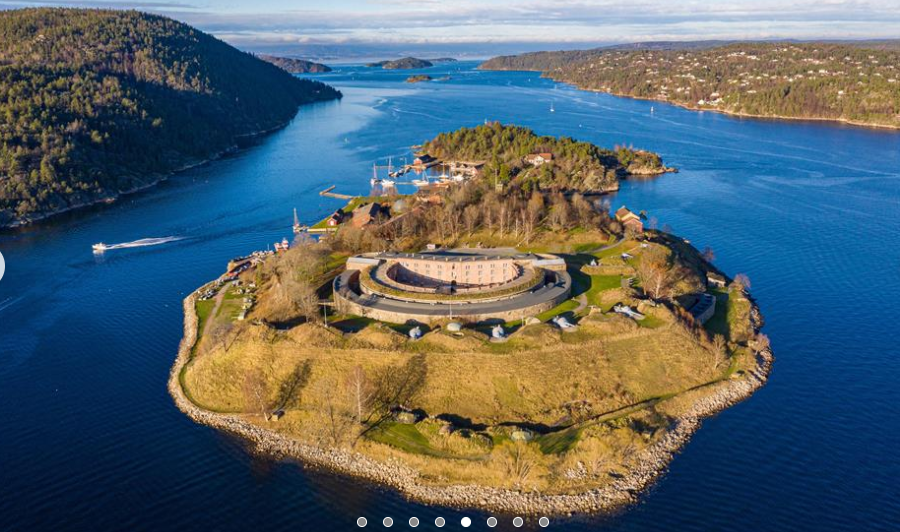
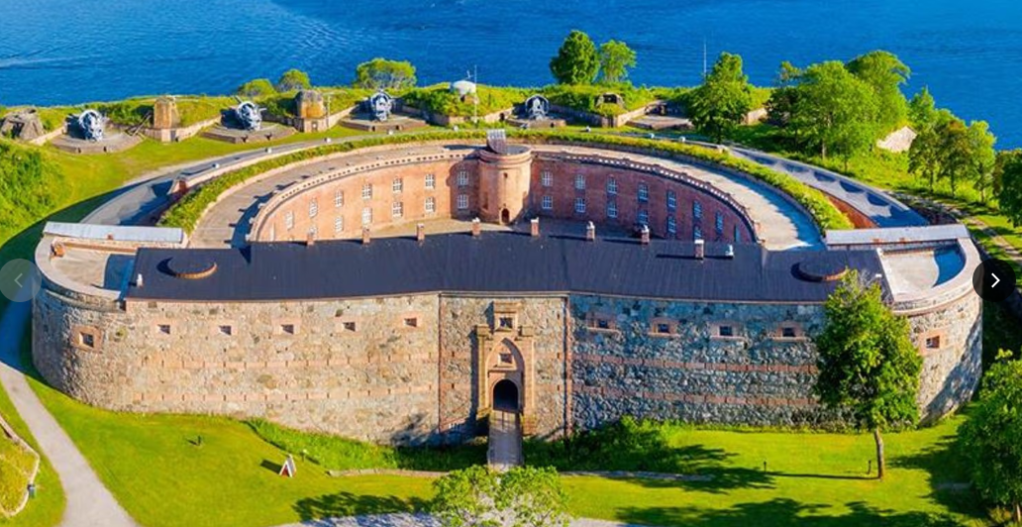
Oscarsborg Fortress is an island stronghold in the narrowest part of the Oslofjord, famous for its decisive role in the sinking of the German cruiser Blücher during WWII. Today, it is a protected cultural monument and a popular year-round resort island featuring museums, hotels, and restaurants.
Key Visiting Information
Admission: Entry to the fortress grounds is free.
Opening Hours: The Fortress Museum is open daily from 10:00 AM to 5:00 PM (April–October). In March, it is open weekends only, and it is closed for individual visitors in January and February.
Guided Tours: Essential for accessing restricted areas like the Torpedo Battery and the commander’s house. Public “Open Tours” run daily in summer (June 24–August 11) at 12:30 PM for NOK 200 per person. Private group tours can be booked year-round starting at NOK 2,500.
Activities & Dining
Historical Exploration: Walk the “Fortress Trail,” explore subterranean tunnels, and view the massive cannons that defended the fjord.
For Families: The island offers obstacle courses, crab fishing, and bathing beaches.
Dining: Options include Havnekroa, a casual seasonal eatery in the guest harbor, and the more formal restaurant at Oscarsborg Hotel & Resort, which offers panoramic fjord views.
Stay: You can spend the night in converted military barracks at the 5-star Oscarsborg Hotel & Resort.
Transportation
The fortress is only accessible by ferry.
From Drøbak: Ferries run year-round from Sundbrygga (5-minute trip). A return ticket costs approximately NOK 110.
Bygdoy
Bygdøy is a lush peninsula on the western side of Oslo, Norway, famously known as the city’s “Museum Island”. It combines world-class cultural heritage with scenic recreation, featuring popular beaches like Huk and some of the country’s most expensive residential real estate.
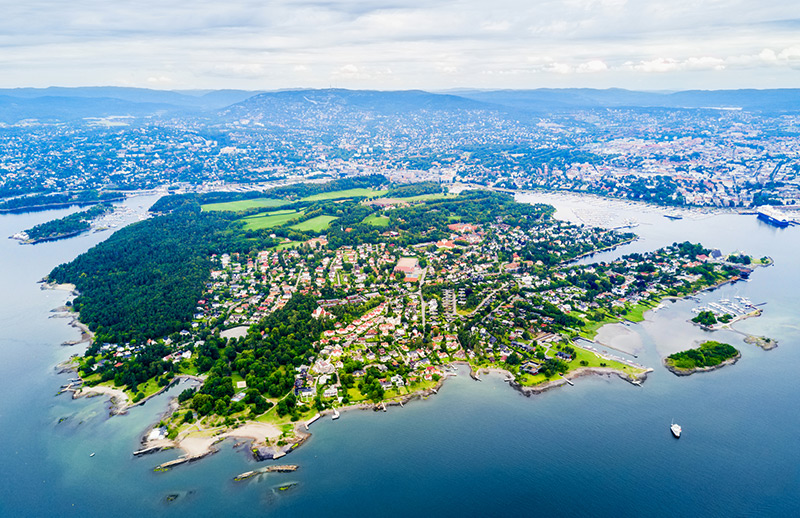
Top Museums & Attractions
Fram Museum: Dedicated to Norwegian polar exploration, featuring the original polar ship Fram.
Kon-Tiki Museum: Houses Thor Heyerdahl’s famous balsa raft and other expedition vessels.
Norwegian Museum of Cultural History (Norsk Folkemuseum): An open-air museum with over 140 historic buildings, including the 13th-century Gol Stave Church.
Norwegian Maritime Museum: Showcases Norway’s seafaring history and a vast collection of boats.
Oscarshall Royal Manor: A Neo-Gothic summer palace set in landscaped gardens.
Holocaust Center: Located at Villa Grande, offering exhibitions on the Holocaust and human rights.
Note: The Viking Ship Museum is currently closed for major renovation and is scheduled to reopen in 2026 as the Museum of the Viking Age.

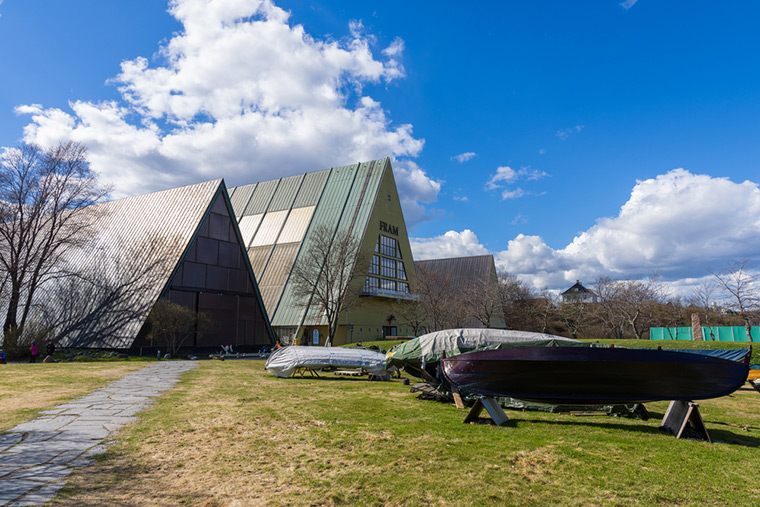
Recreation & Nature
Beaches: Huk is a very popular spot with both a regular beach and a designated naturist section. Paradisbukta (Paradise Bay) offers a more sheltered, sandy alternative.
Trails: The Bygdøy Loop and various coastal paths are excellent for hiking and cycling.
Dining: Options range from simple beach cafés to upscale à la carte restaurants, though many have seasonal hours.
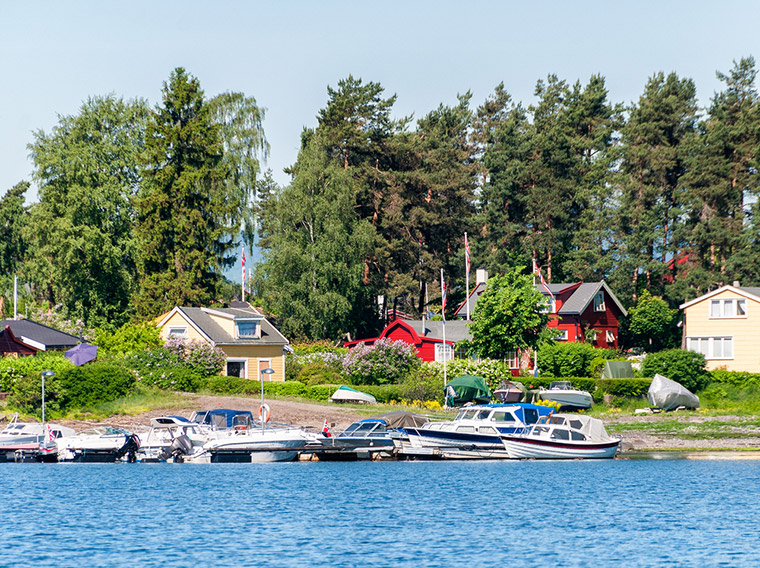
Getting There
You can reach Bygdøy from Oslo city center in about 15–20 minutes:
Ferry: The Bygdøyfergene operates from Pier 3 at City Hall (April–October).
Bus: Line 30 runs year-round from Jernbanetorget and Nationaltheatret, stopping at all major museums.
Why is the Oslofjord important?
The Oslofjord is a 100-km-long inlet that serves as the strategic, historical, and recreational heart of southeastern Norway. Its importance stems from its role as the primary gateway to the capital city, Oslo, and its status as the most densely populated region in the country, with over 40% of Norwegians living within 45 minutes of its shores. Historically, the fjord’s geography has been vital for Norway’s national security and cultural identity; The narrow Drøbak Sound acts as a natural chokepoint. In April 1940, during the Battle of Drøbak Sound, the sinking of the German cruiser Blücher from Oscarsborg Fortress delayed the Nazi advance long enough for the Norwegian royal family and government to escape. Some of the world’s best-preserved Viking ships, such as the Oseberg and Gokstad, were discovered along its shores. The fjord has been a hub of activity since the Stone Age, housing Tønsberg, Norway’s oldest town.
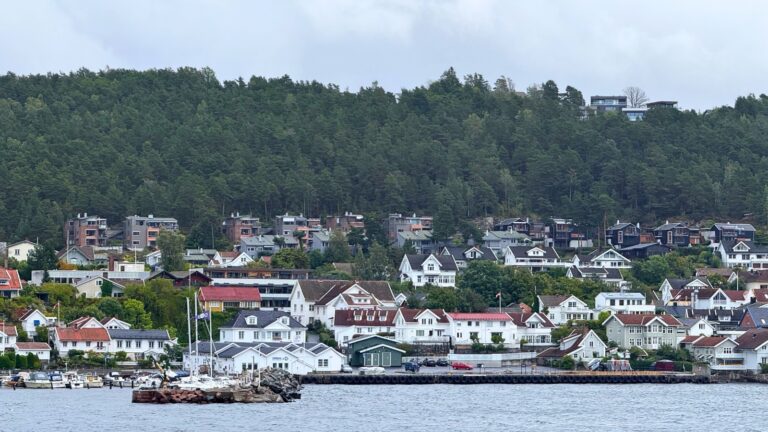
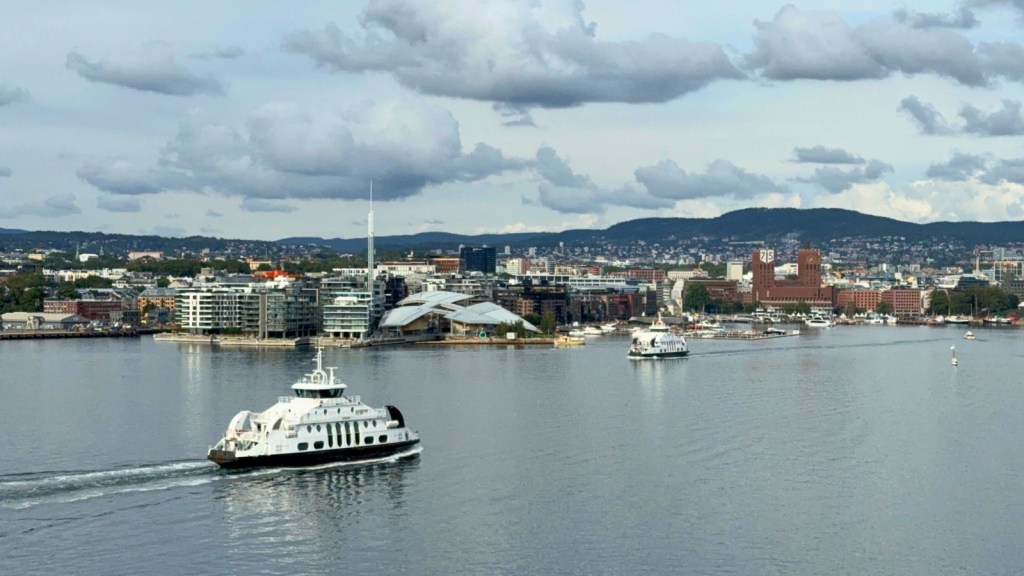
The fjord is an essential artery for trade and a major influence on Norwegian culture; It carries the country’s highest volume of ferry and cargo traffic, providing vital links to Denmark, Germany, and the Baltic Sea.


Leave a comment