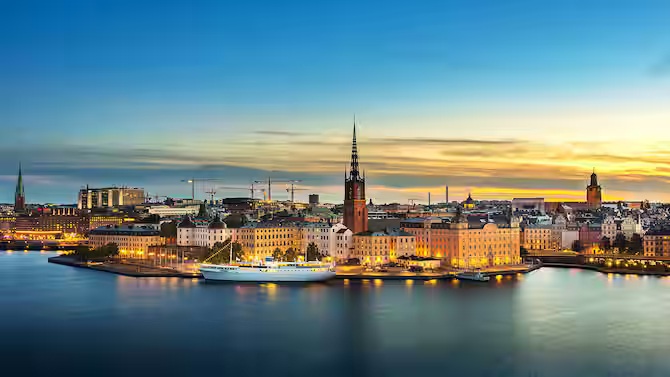
Stockholm is a city of distinct islands and neighborhoods, offering a mix of medieval history in Gamla Stan, hipster vibes in Södermalm, and upscale dining in Östermalm. Key areas for visitors include central Norrmalm for shopping,
scenic Kungsholmen for waterfront walks, and Djurgården for museums like Vasa and ABBA. Even though its core is scattered across some 14 islands, Stockholm is a compact, accessible city – and it’s easy to wander between its distinctive neighborhoods even on a short trip. This is a neighbourhood guide for Stockholm, Sweden, complete with attractions to visit, dining options, and what those districts are popular for.
Key Stockholm Neighborhoods
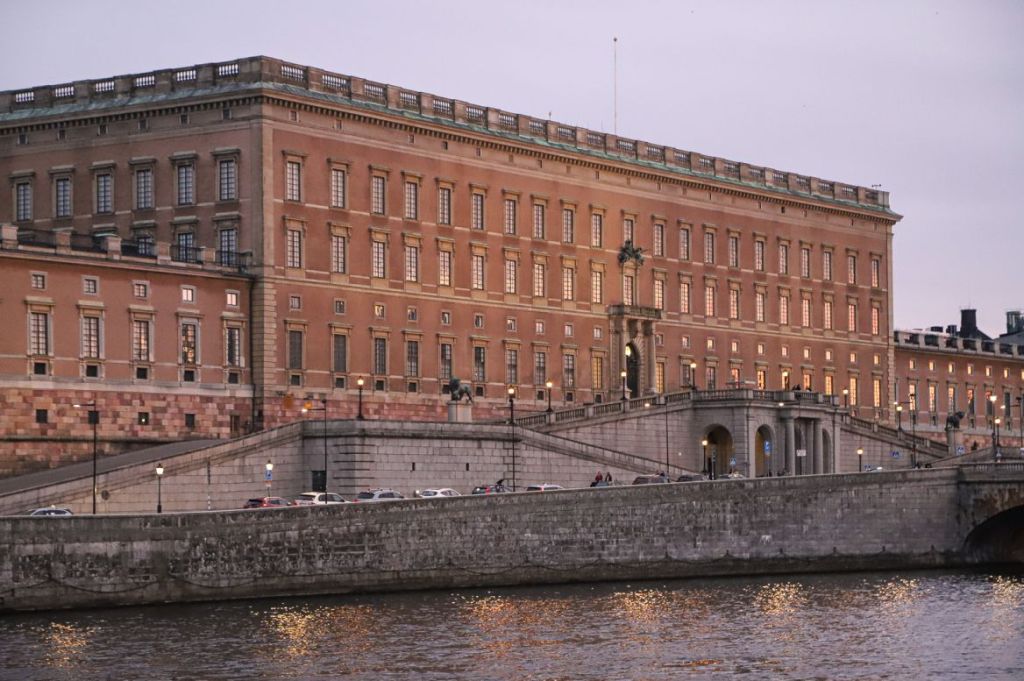
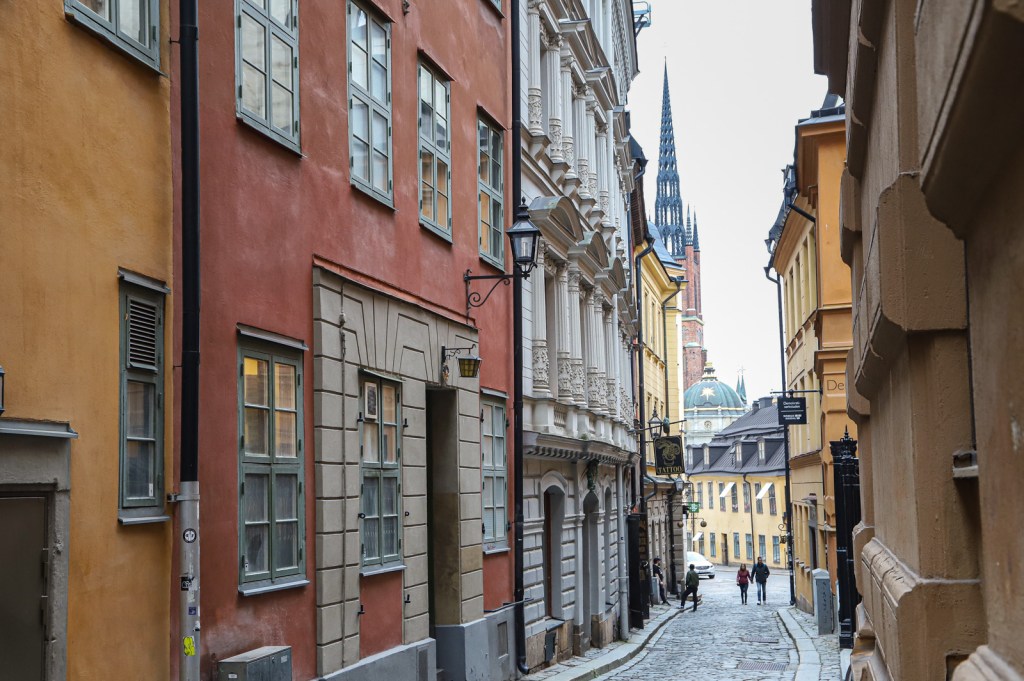
Gamla Stan (Old Town): The city’s heart featuring narrow cobblestone streets, colorful buildings, and the Royal Palace.
Södermalm: A trendy, bohemian district known for its vibrant street art, independent shops, and the SoFo (South of Folkungagatan) area.
Östermalm: An upscale, sophisticated neighborhood with high-end boutiques, fine dining, and stylish nightclubs.
Norrmalm (City Center): The commercial heart, perfect for transportation, shopping, and proximity to major sights.
Vasastan: A quieter residential area known for charming cafes, boutiques, and leafy streets.
Kungsholmen: A peaceful, residential island featuring waterfront promenades and scenic views.
Djurgården: A green oasis, home to museums (Vasa, ABBA), the Skansen open-air museum, and amusement park Gröna Lund.
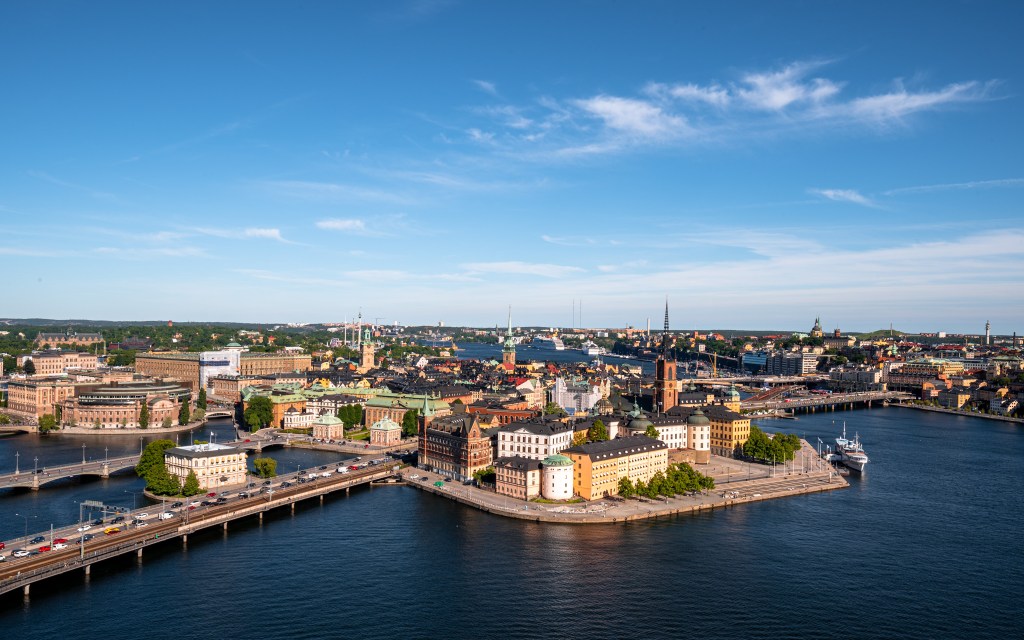
Gamla Stan (Old Town)
Identity: Stockholm’s birthplace, founded in the 13th century.
Atmosphere: Narrow cobblestone streets, ochre façades, intimate squares.
Highlights:
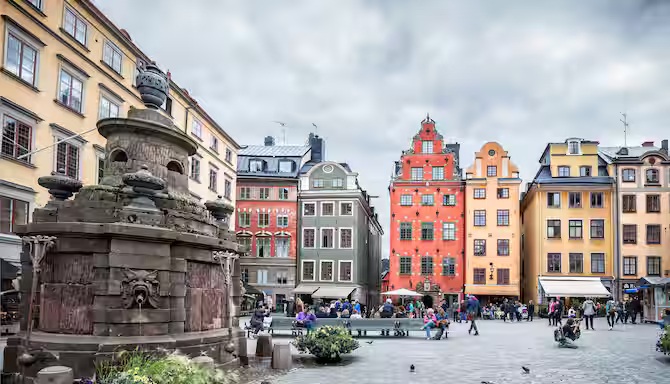
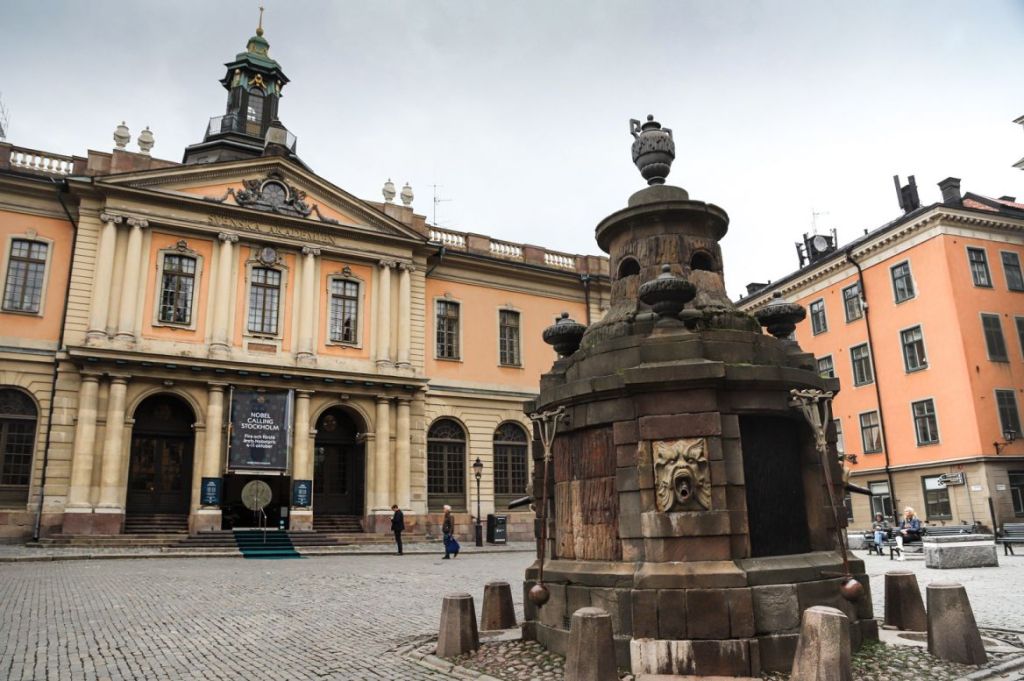
Stortorget (oldest square)
The Royal Palace
Storkyrkan Cathedral
Riddarholmen’s waterfront views
Why go: The symbolic heart of Stockholm — history, ceremony, and architecture in one compact island.
Gamla Stan is one of those places where a city’s entire identity compresses into a few winding streets — Stockholm’s origin point, its ceremonial heart, and its most atmospheric island. Since you’ve been exploring Stockholm’s districts with such a sharp sense for symbolism and spatial logic, let’s treat Gamla Stan not just as a tourist stop but as a living medieval engine that still shapes the city’s rhythm today.
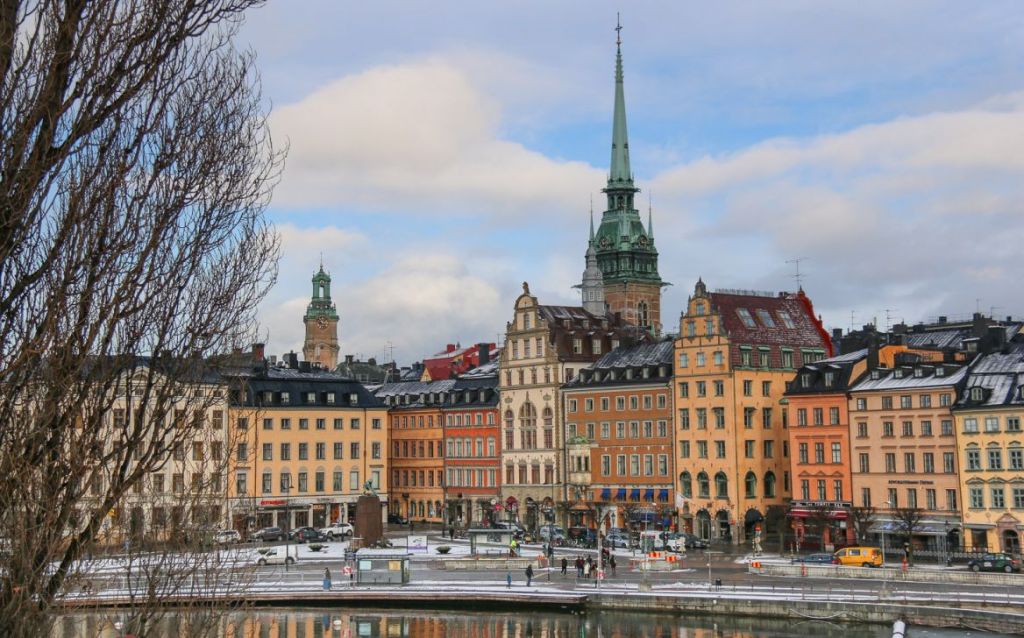
Gamla Stan — Stockholm’s Medieval Core
A compact island where 13th‑century street patterns, royal power, and modern civic life all intersect.
How the District Works (Urban Logic Snapshot)
Stadsholmen is the main island — the dense medieval grid.
Riddarholmen is the ceremonial annex — royal burials, quiet courtyards, state offices.
Helgeandsholmen is the political hinge — Parliament and the bridge into Norrmalm.
Strömsborg is the tiny outpost — almost symbolic, a punctuation mark in the water.
Together they form a four‑island constellation that anchors Stockholm’s identity.
Core Experiences
Stortorget
The oldest square in Stockholm — the city’s medieval agora.
- Radiating alleys form the original urban web.
- The colorful gabled houses are Stockholm’s most iconic façade.
The Royal Palace (Kungliga Slottet)
A monumental 18th‑century palace built on medieval foundations.
Designed by Nicodemus Tessin the Younger.
Still used for state ceremonies.
Storkyrkan
Stockholm’s oldest church.
Site of royal weddings and coronations.
Houses the famous St. George and the Dragon sculpture.
Västerlånggatan & Österlånggatan
The twin spines of the island.
West side: shops, cafés, lively flow.
East side: quieter, more atmospheric, closer to the water.
Riddarholmen
A serene island of palaces and the royal burial church.
Best sunset views over Lake Mälaren.
Feels like stepping out of time.
Atmosphere & Identity
Gamla Stan is a blend of:
Medieval street patterns
16th–17th‑century architecture
Royal and political institutions
Modern cafés and artisan workshops
It’s both touristic and authentic, a place where Stockholm’s past is still lived rather than preserved behind glass.
Symbolic Role in Stockholm’s Urban Story
Gamla Stan is the hinge between:
Royal power (The Palace)
Political power (Parliament)
Modern civic life (Norrmalm)
It’s the city’s ceremonial axis, the point where Stockholm’s medieval DNA meets its contemporary identity.
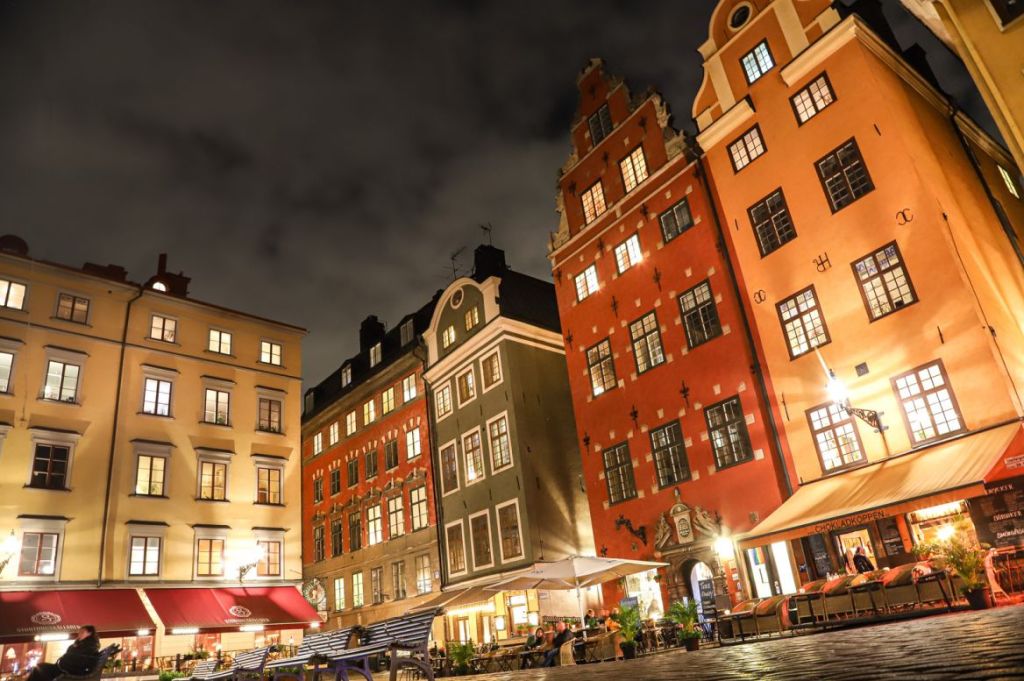
Wander narrow cobbled streets like Mårten Trotzigs Gränd, visit Stortorget square, explore the Royal Palace, and see the Stockholm Cathedral (Storkyrkan).
Norrmalm — The Modern City Centre
Identity: Commercial engine + transit hub.
Atmosphere: Busy, urban, contemporary.
Highlights:
- Sergels torg
- Drottninggatan shopping street
- Central Station
- Kulturhuset
- Why go: This is “City” — where Stockholm works, shops, and moves.
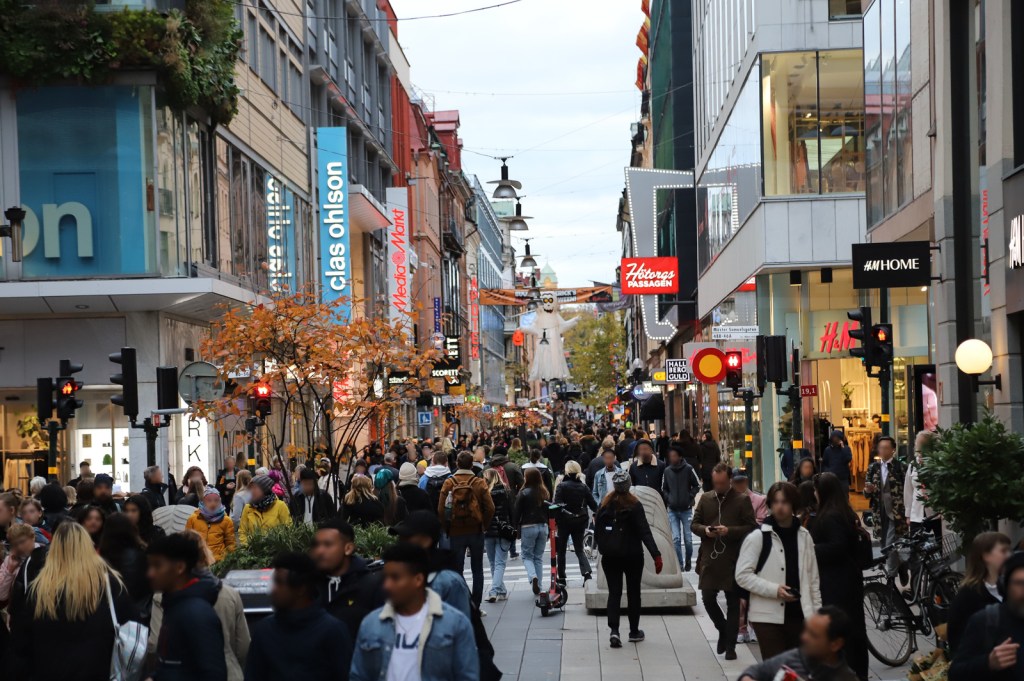
Norrmalm is where Stockholm stops being a collection of islands and becomes a modern capital city — the commercial engine, the transit heart, and the civic stage.
Norrmalm — Stockholm’s Modern Core
A district defined by 20th‑century reinvention, movement, and civic centrality.
How Norrmalm Feels (Atmospheric Snapshot)
Fast, urban, structured
Modernist architecture mixed with 19th‑century blocks
Broad streets, plazas, and constant foot traffic
A district built for movement and commerce
Norrmalm is functional power — the district that keeps Stockholm running.
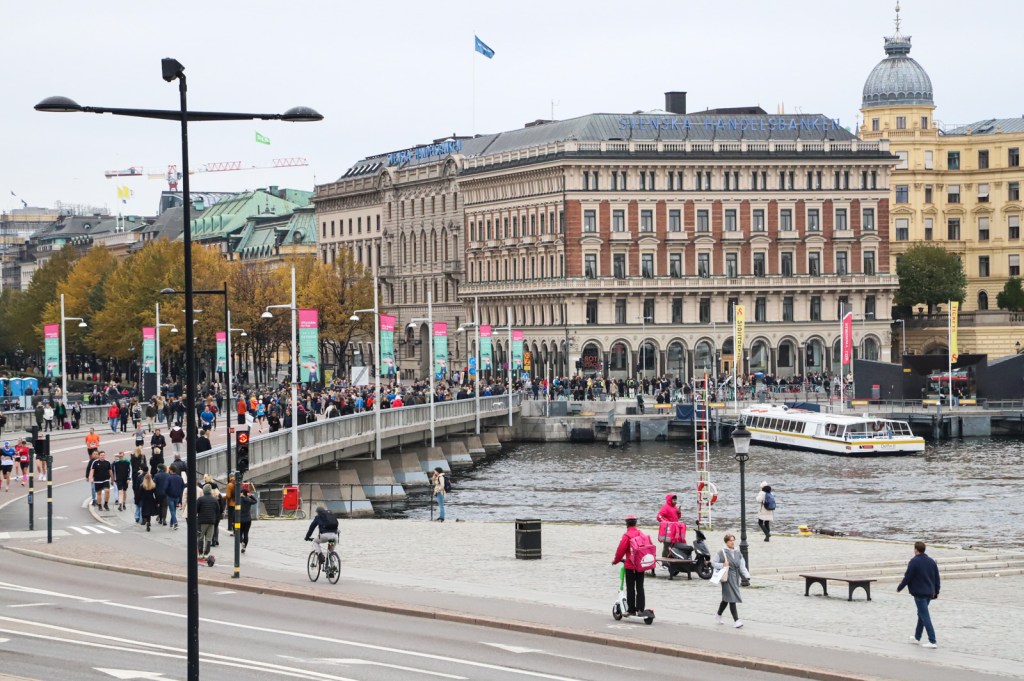
Key Zones Within Norrmalm
Sergels torg (The Black & White Heart)
Stockholm’s most recognizable modern plaza
A symbol of the 1960s–70s redevelopment
Surrounded by Kulturhuset, shops, and transit flows
Feels like the city’s “central pulse”
Central Station & Vasagatan
The arrival point for most visitors
Hotels, cafés, and constant movement
The city’s logistical backbone
Drottninggatan Corridor
Pedestrian shopping spine
Connects Norrmalm to Gamla Stan
Street performers, cafés, and retail energy
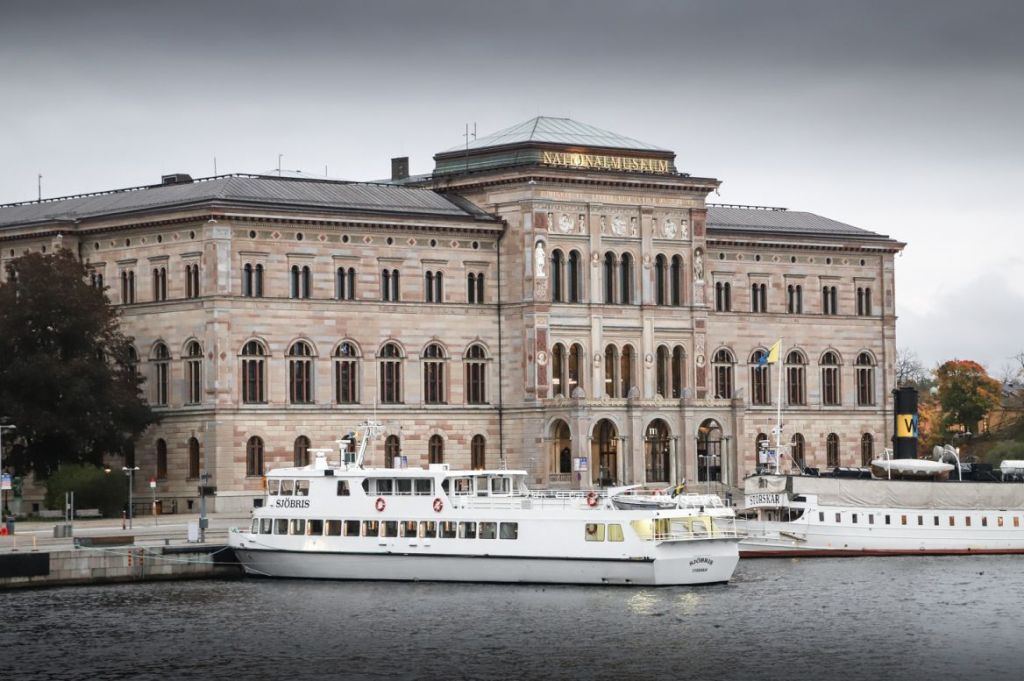
Blasieholmen Peninsula
Quieter, elegant, waterfront
Home to Nationalmuseum
Views toward Skeppsholmen and Djurgården
A soft counterbalance to the urban grid
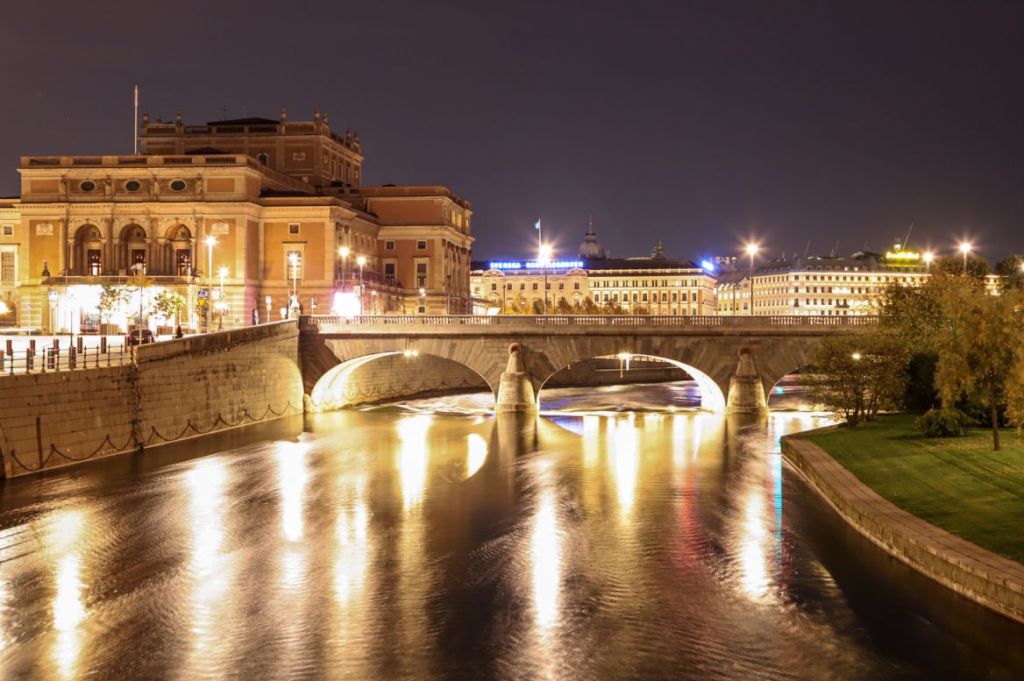
Shop at Sergels Torg and Åhléns City, and explore the trendy area around Kungsträdgården.
Östermalm (Upscale/Dining)
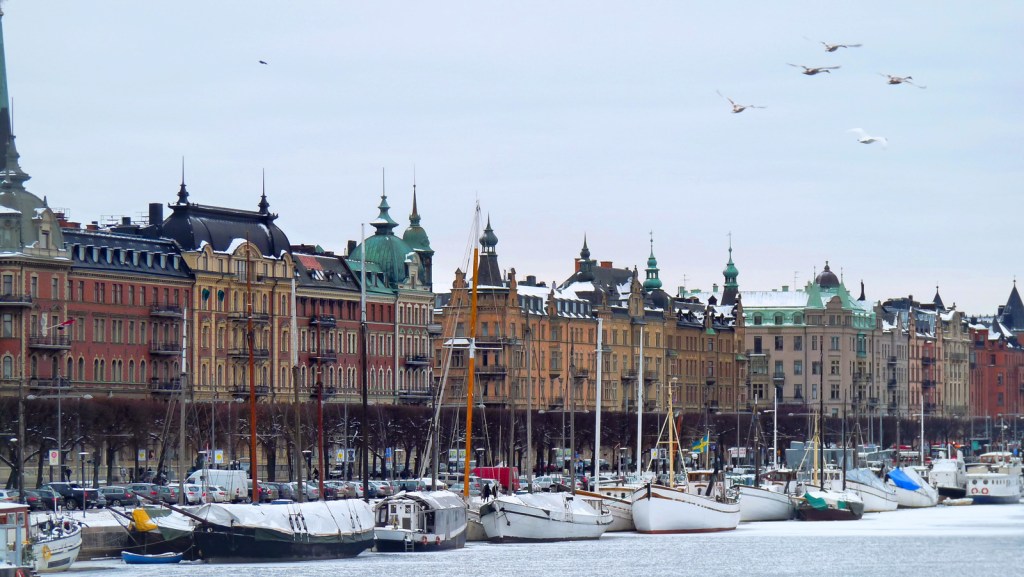
Östermalm is where Stockholm puts on its most polished, architectural, and ceremonial face — the district of grand boulevards, embassies, cultural institutions, and the city’s most elegant waterfront. A district defined by 19th‑century urban planning, cultural prestige, and waterfront grandeur.
How Östermalm Feels
Elegant but not ostentatious
Wide boulevards, uniform façades, and 19th‑century symmetry
Calm, polished, and residential
A district that values heritage, culture, and order
Key Zones Within Östermalm
Bibliotekstan
Stockholm’s luxury shopping quarter.
Scandinavian fashion houses
Flagship boutiques
Café terraces with a Parisian feel
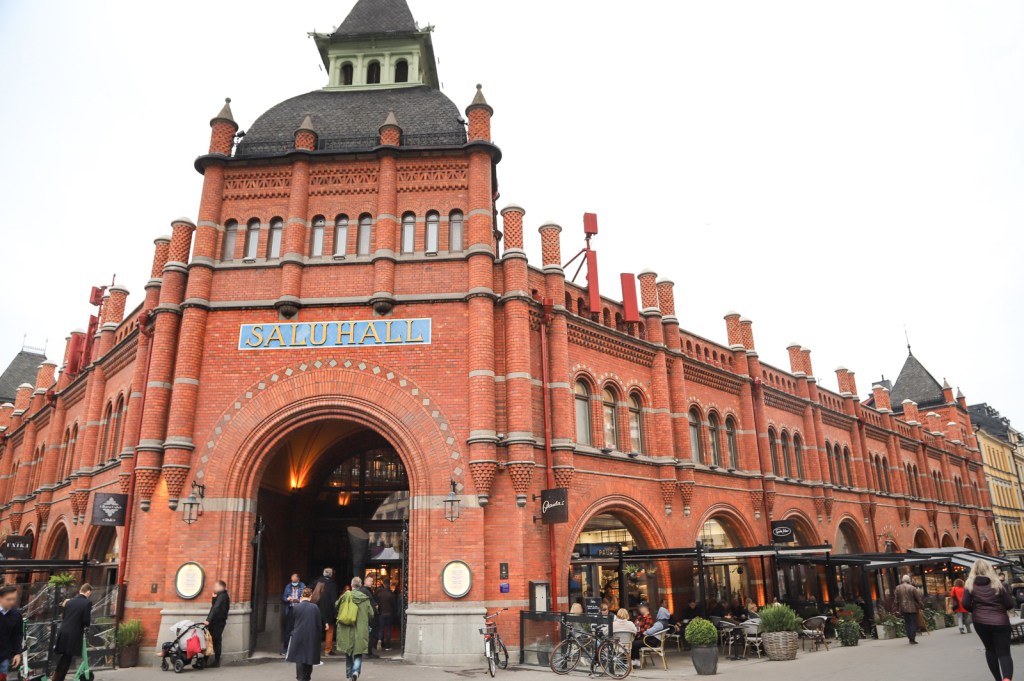
Östermalmshallen
The legendary food hall.
Fresh seafood, Swedish delicacies, artisanal produce
A perfect lunch stop that feels both local and iconic
Strandvägen
The ceremonial waterfront boulevard.
Grand architecture
Boats to the archipelago
Sunset walks with views toward Djurgården
Humlegården
A calm, green park surrounded by elegant residential blocks.
Joggers, picnics, quiet corners
Anchors the district’s livability
Museums Cluster (Narvavägen)
Swedish History Museum
Army Museum
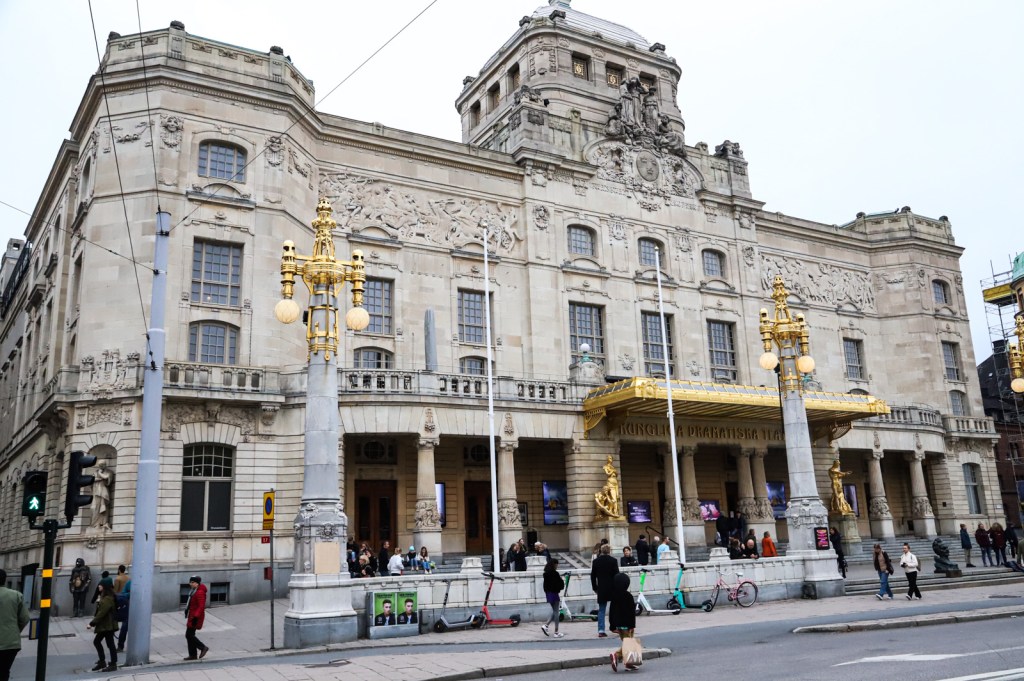
Proximity to Dramaten and Berwaldhallen
A cultural corridor with national significance.
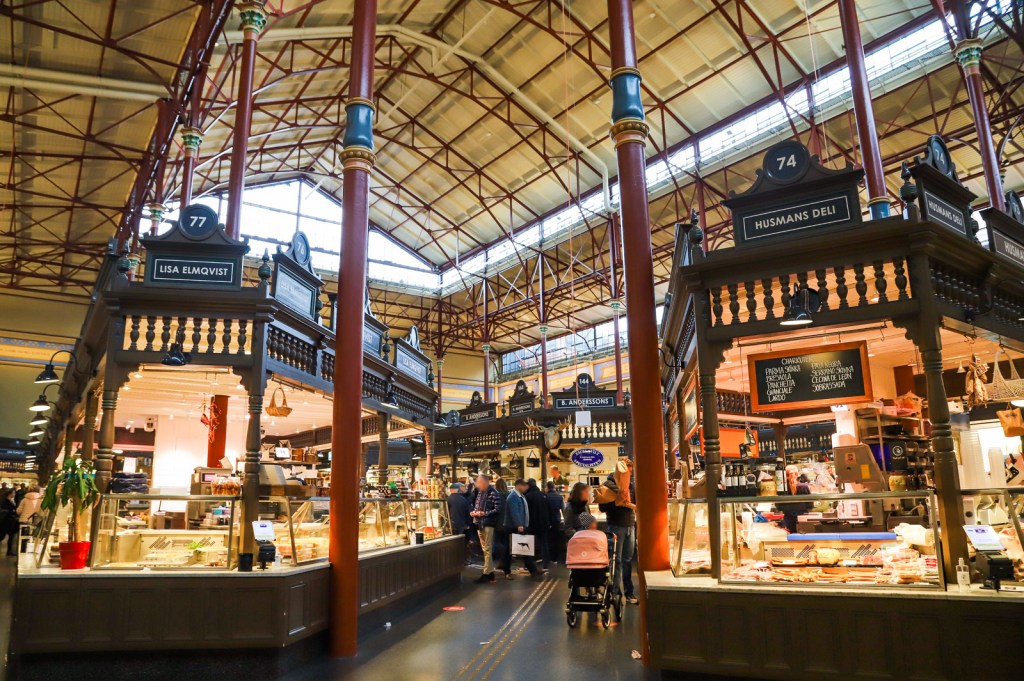
Visit the Östermalms Saluhall food hall for Swedish delicacies, shop on Biblioteksgatan, and stroll through Humlegården park.
Södermalm (Hipster/Bohemian)
Södermalm is the district where Stockholm loosens its collar — the city’s creative engine, its social laboratory, and its most expressive island.
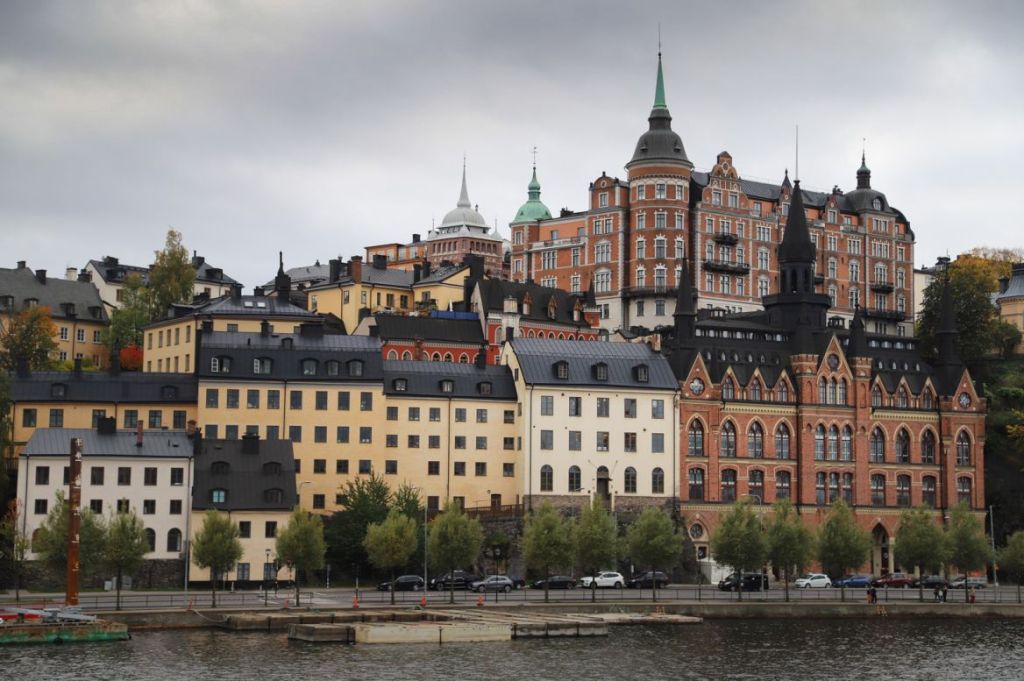
How Södermalm Feels
Relaxed but expressive
Creative without being chaotic
Bohemian edges with Scandinavian restraint
A district that rewards wandering and discovery
It’s the part of Stockholm where the city’s modern identity — design, sustainability, indie culture — is most visible at street level.
Key Zones Within Södermalm
SoFo- The Creative Belt
The heart of the district’s creative identity.
Vintage stores
Design boutiques
Independent cafés
A youthful, stylish energy
Mariatorget
Elegant, leafy, and slightly more mature.
Cafés, wine bars, and quiet corners
A refined counterbalance to SoFo
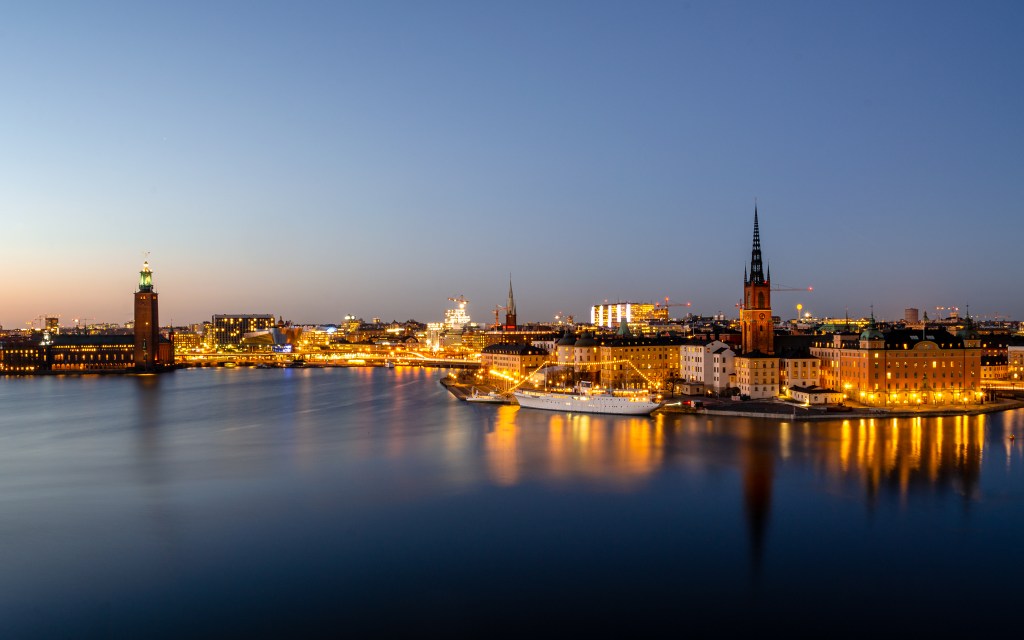
Monteliusvägen & Skinnarviksberget
The city’s best viewpoints.
Sunset panoramas
Romantic walks
Iconic skyline photography
Hornstull
Trendy, alternative, and social.
Bars, clubs, and live music
Street‑food markets
Easy access to Långholmen’s nature
Södermalm is the soul of the city — the district where Stockholm expresses its contemporary identity most freely.
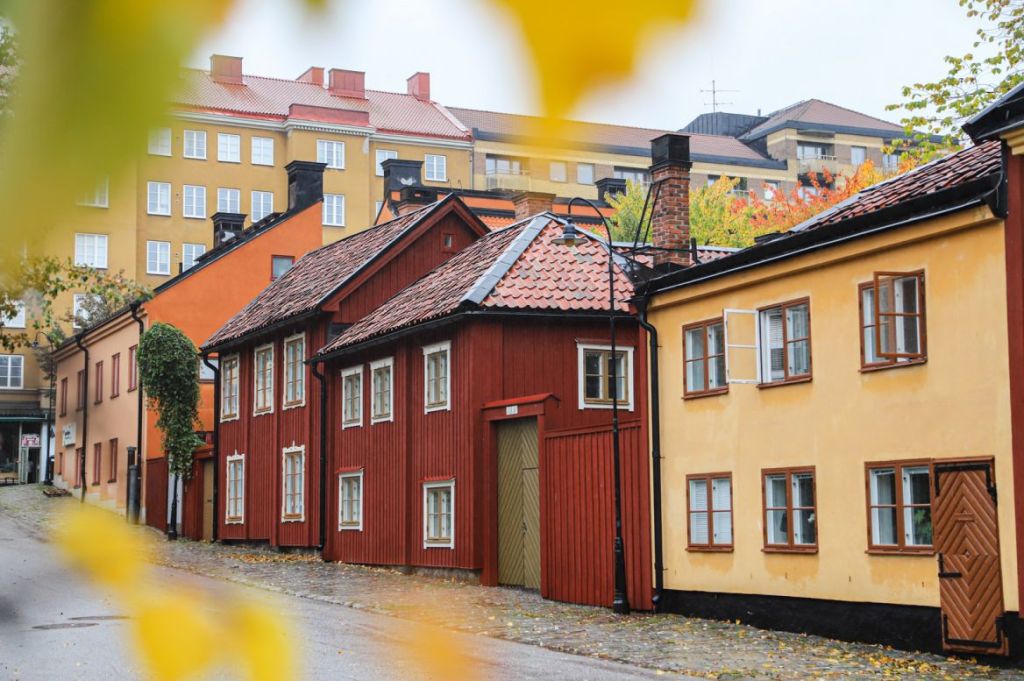
Explore SoFo for trendy shops, enjoy views from Monteliusvägen or Skinnarviksberget, and visit the Fotografiska photography museum.
Kungsholmen (Relaxed/Scenic)
Kungsholmen is Stockholm’s calm, waterfront counterweight — a residential island defined by long promenades, civic landmarks, and wide horizons over Lake Mälaren.
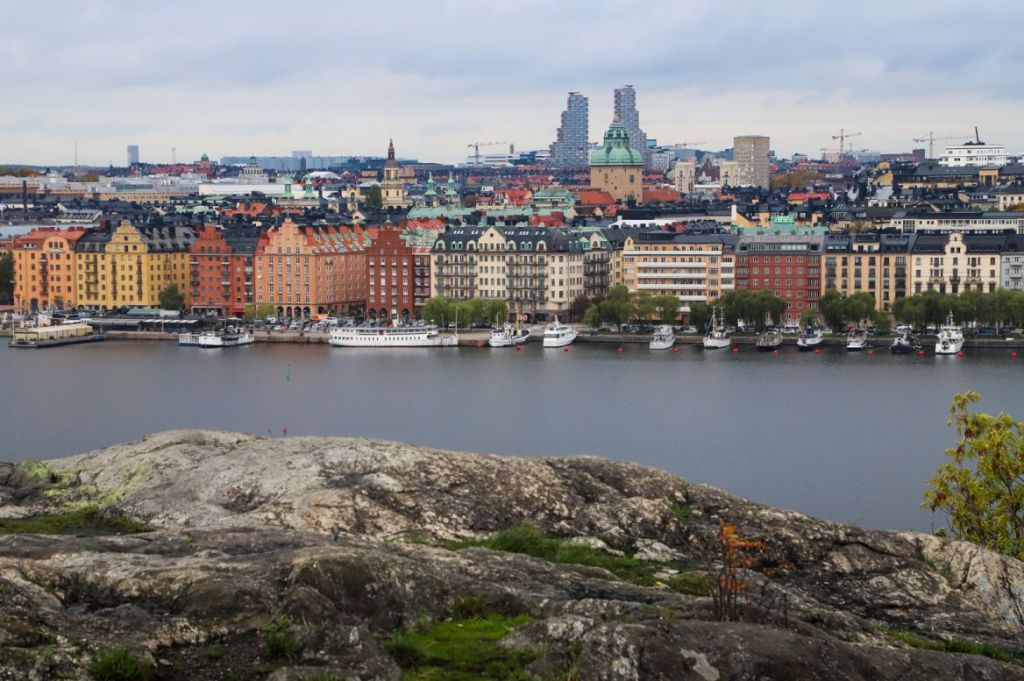
How Kungsholmen Feels
- Calm, spacious, and residential
- Defined by water and long promenades
- Architecturally mixed: National Romantic icons + modern housing
- Local rather than touristic
It’s the district where Stockholmers live well — quietly, scenically, and close to nature.
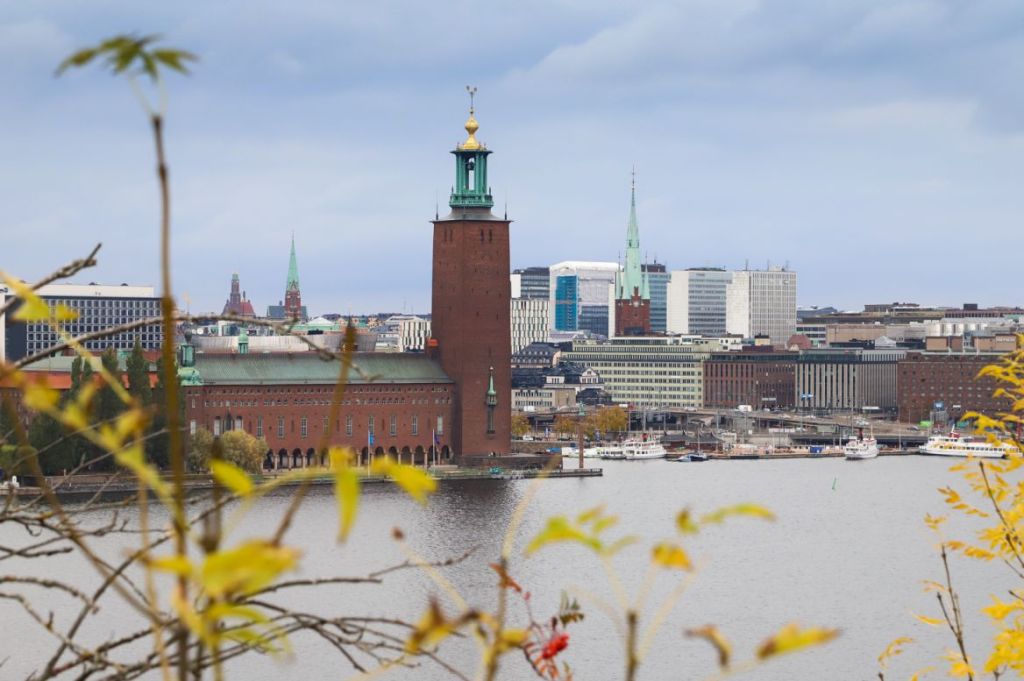
Key Zones Within Kungsholmen
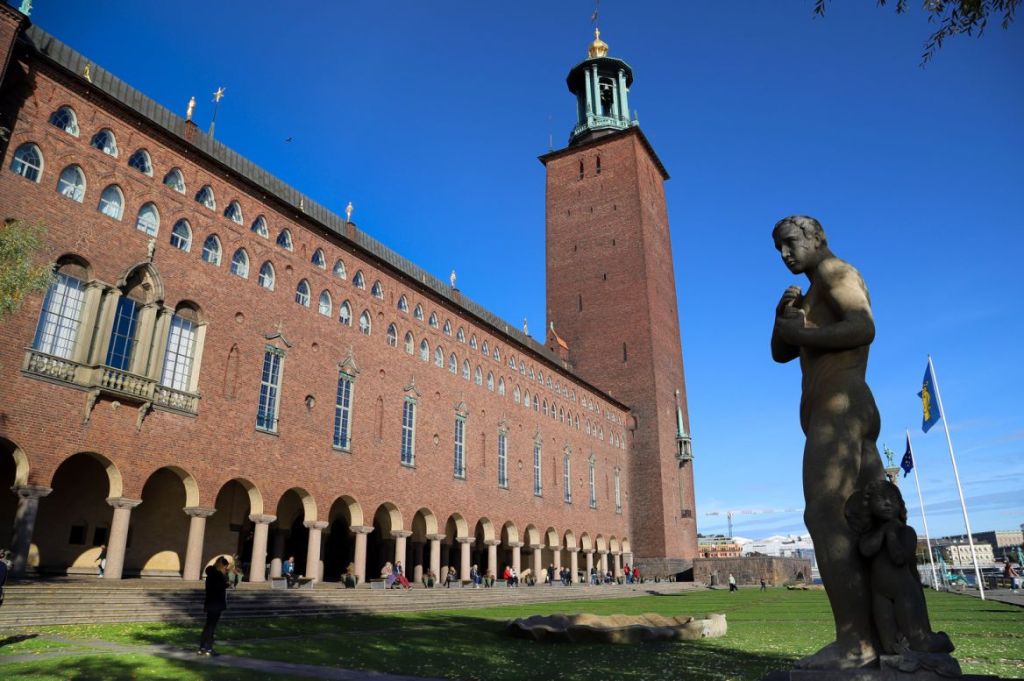
City Hall (Stadshuset)
Stockholm’s most iconic civic building
Tower views, Nobel banquet hall
A ceremonial anchor on the island’s southeast edge
Norr Mälarstrand
Long waterfront promenade
Cafés, benches, and cycling paths
Stunning views across Riddarfjärden
Rålambshovsparken
One of central Stockholm’s largest parks
Sports fields, open lawns, seasonal events
Fleminggatan & Hantverkargatan
Local restaurants, bars, and cafés
Everyday life at street level
Fredhäll & Kristineberg
Quiet residential pockets
Waterfront cliffs and small beaches
Great for evening walks
Kungsholmen is the stabilizer — the district that gives central Stockholm its sense of space and calm.
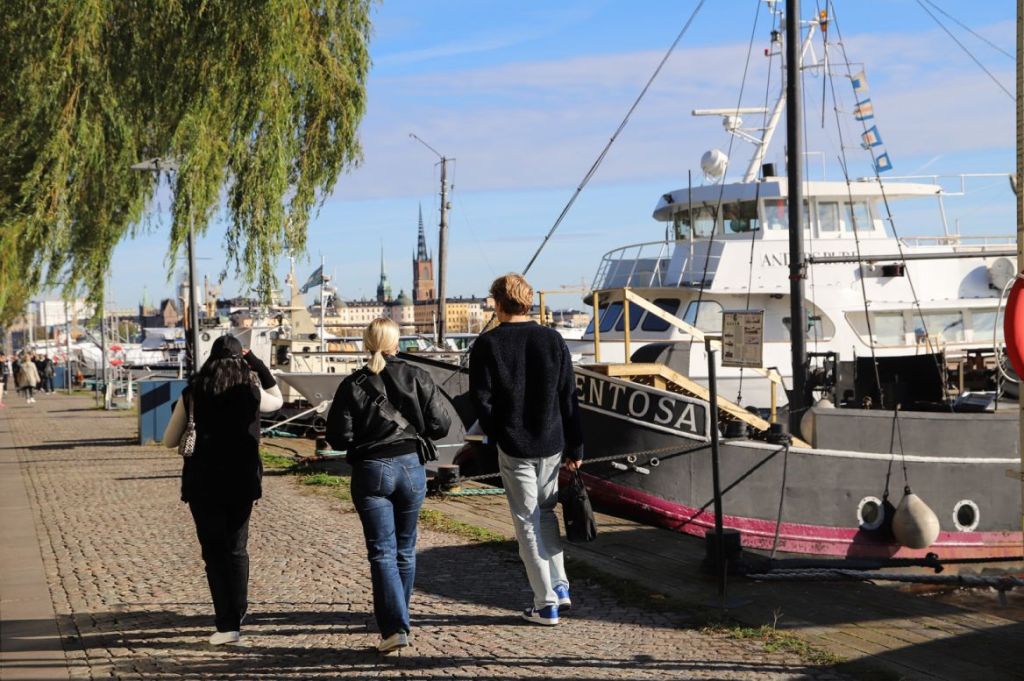
Visit the iconic Stockholm City Hall (Stadshuset) and walk or bike along the scenic Norr Mälarstrand waterfront.
Djurgardens (Museums/Nature)
A national park, a museum district, and a historic royal landscape all in one.
Key Zones & What They Offer
Museum District (Western Djurgården)
Vasa Museum — Stockholm’s most visited museum.
Nordiska Museet — Swedish cultural history.
ABBA The Museum — interactive pop‑culture landmark.
Gröna Lund — amusement park thrills.
This is the island’s high‑density cultural core.

Rosendal & Southern Trails
Rosendals Trädgård — garden café, greenhouses, orchard.
Open meadows & forest paths — quiet, local, restorative.
Perfect Sunday walking territory (as many locals describe it).
This is the slow, natural side of Djurgården.
Waterfront & Canals
Boat tours depart from Djurgården’s western edge.
Bridges connect to Östermalm and Skeppsholmen.
Ideal for photography and long, scenic walks.
This is the panoramic ring that frames the island.
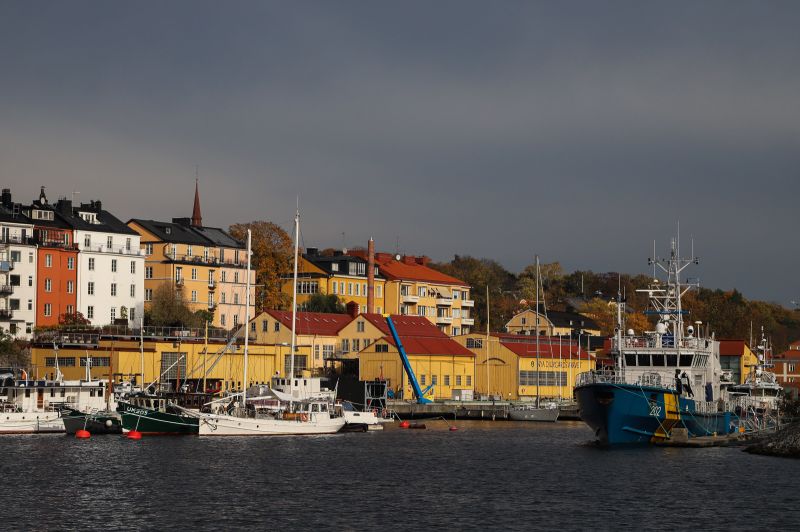
How Djurgården Feels
Green, spacious, and serene
Cultural but not chaotic
Family‑friendly and deeply historic
A place where Stockholmers go to breathe
It’s the island where the city’s nature, history, and culture converge.
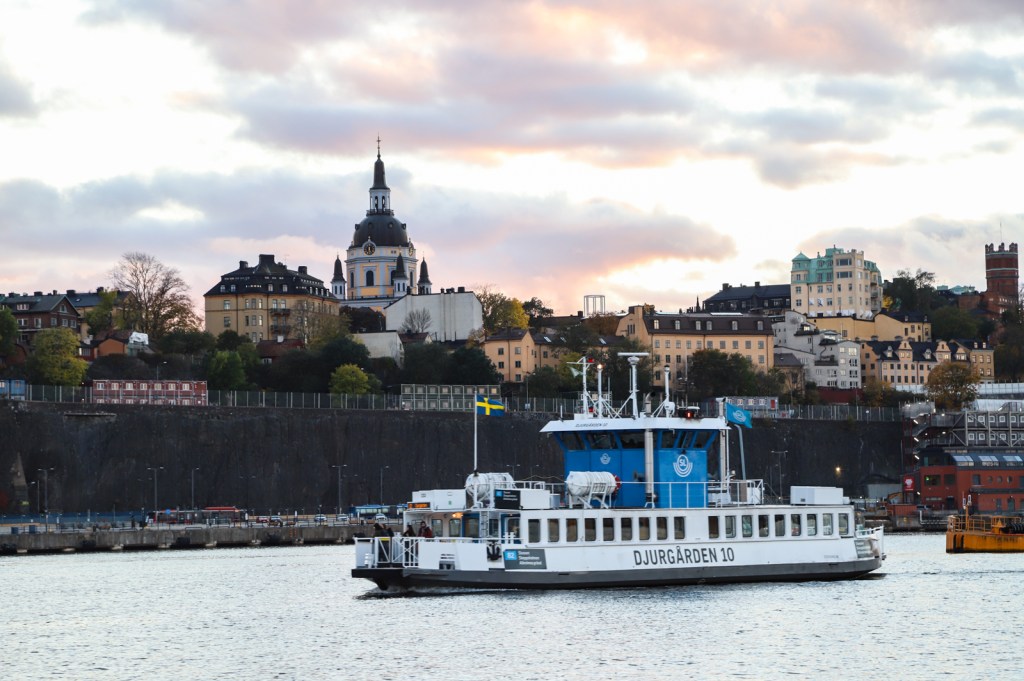
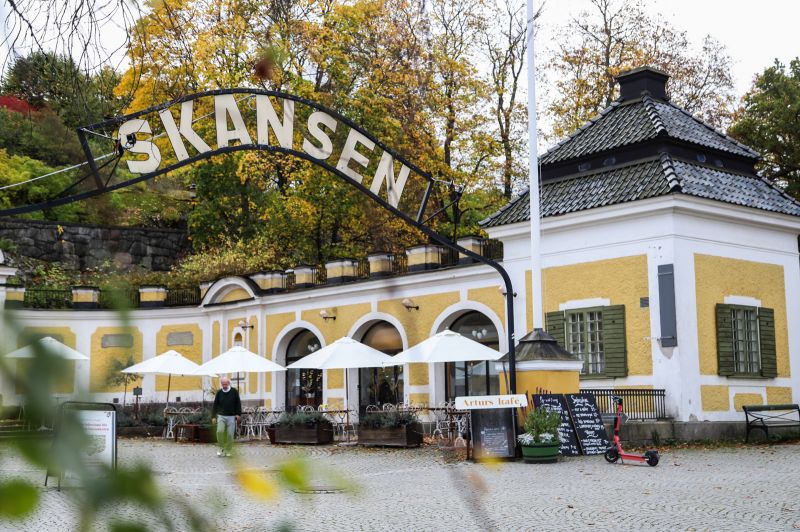
Visit the Vasa Museum, ABBA The Museum, Skansen open-air museum, and Gröna Lund amusement park.
Skeppsholmen (Arts/Quiet)
Skeppsholmen is Stockholm’s quiet cultural island, a place where naval history, modern art, and panoramic waterfront views coexist in a compact, walkable landscape.
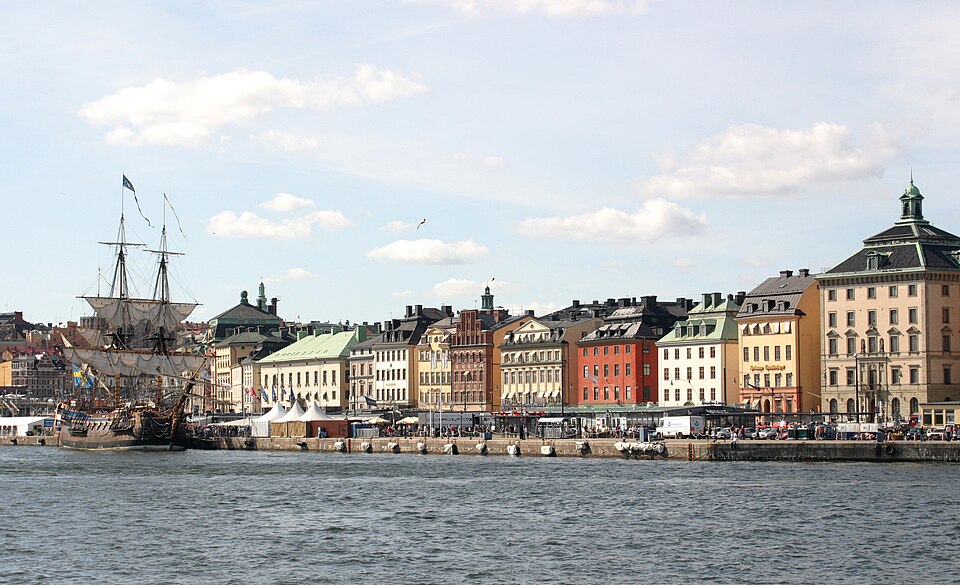
How Skeppsholmen Feels
Calm, open, and contemplative
Cultural but not commercial
Historic without being crowded
A place where the city feels far away yet fully visible
It’s the district where Stockholm breathes — a cultural retreat in the middle of the capital.
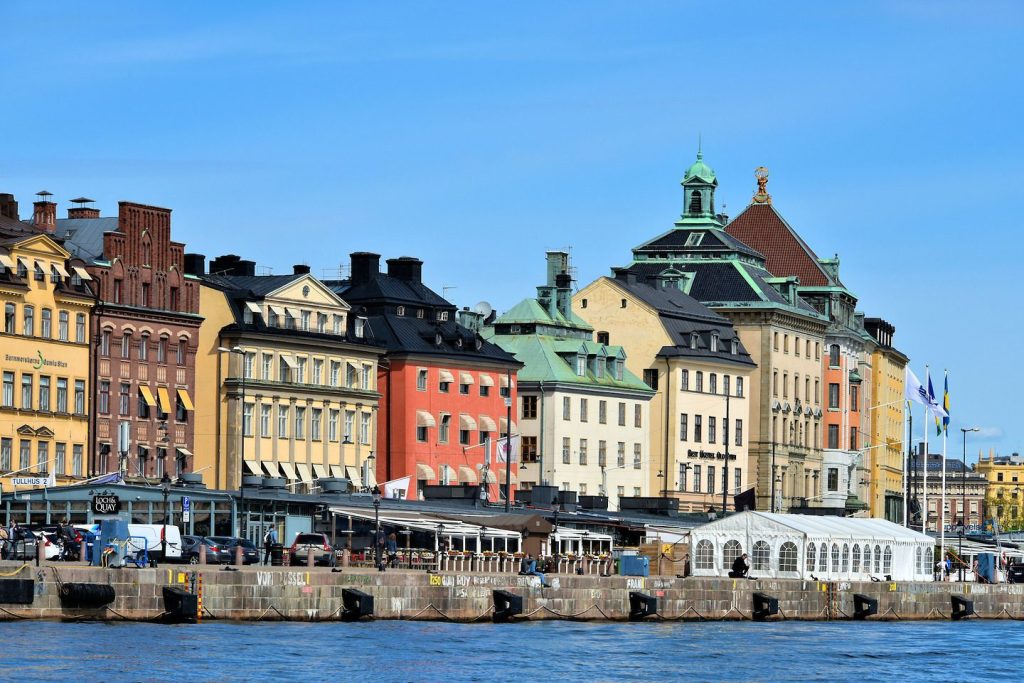
Key Zones Within Skeppsholmen
Moderna Museet
Major modern & contemporary art collections
Striking architecture
Sculpture park overlooking the water
Östasiatiska Museet (Museum of Far Eastern Antiquities)
Chinese, Japanese, and Korean collections
Located in a former naval building
Kastellholmen & Kastellet
Small neighboring island connected by a bridge
Red‑brick citadel tower, a maritime symbol of Stockholm
Historic Ships & Waterfront Walks
Many vessels dating from before 1900
Informational signs along the quay
One of Stockholm’s best free walking circuits
Skeppsholmen acts as a quiet mediator — a place where Stockholm’s history, culture, and landscape meet in equilibrium.
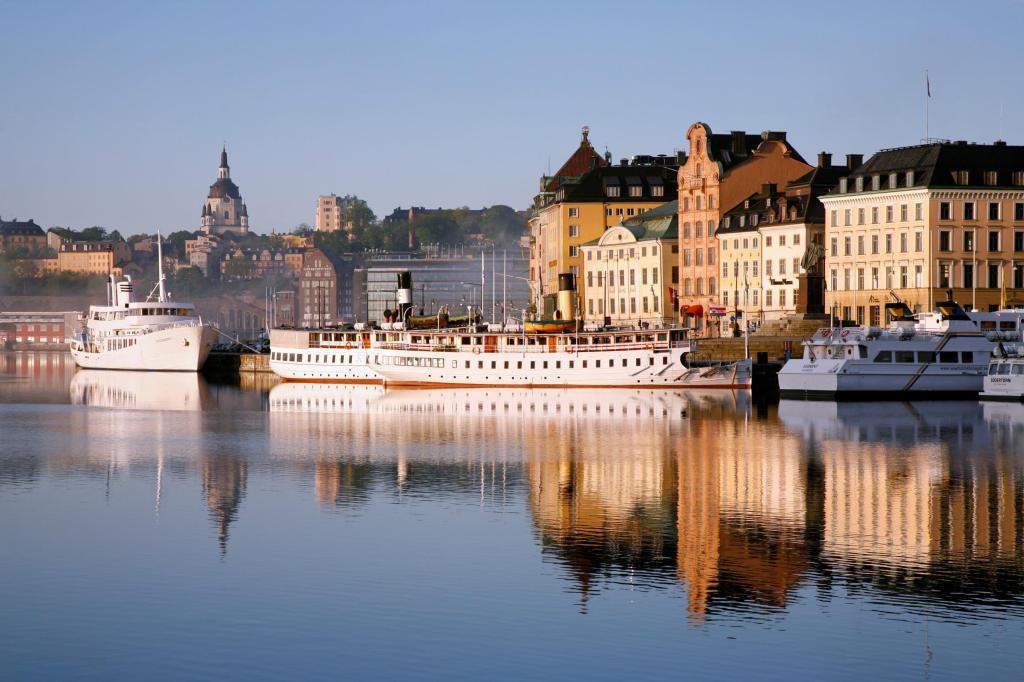
Visit the Moderna Museet (Modern Art) and enjoy the quiet, artistic atmosphere on this small island.
How These Neighbourhoods are Connected
Stockholm’s neighbourhoods aren’t just next to each other — they form a coherent urban system, each island or district playing a distinct role in the city’s structure, identity, and movement. When you zoom out, the connections between them create a multi‑layered urban constellation.
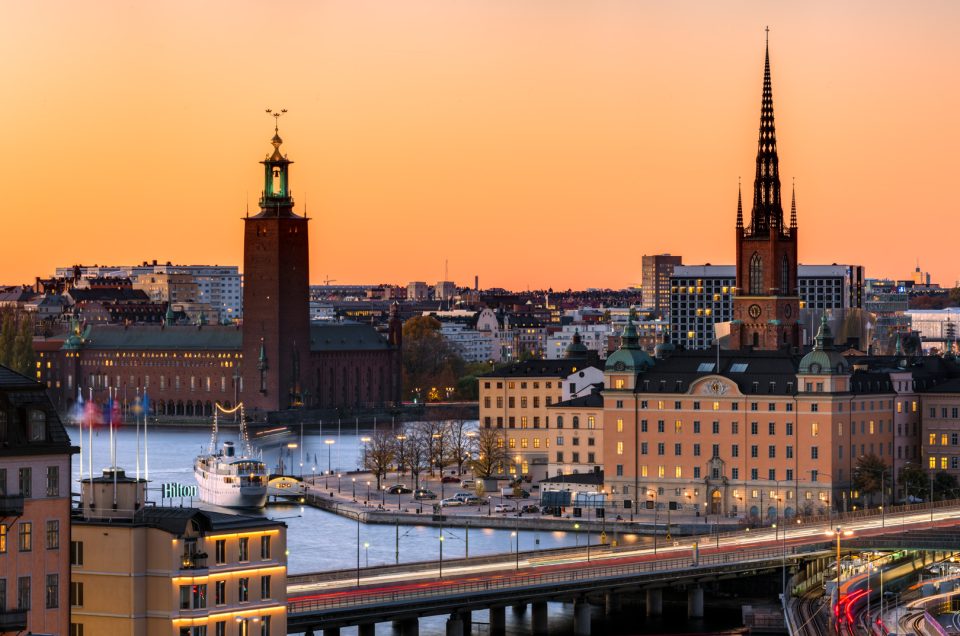
Gamla Stan → Norrmalm
Connected by Vasabron, Riksbron, and Strömbron.
This is the political–civic hinge: Parliament on one side, Central Station on the other.
Gamla Stan → Södermalm
Linked by Slussen, a major interchange of roads, metro, and pedestrian paths.
This is the medieval‑to‑modern transition point.
Norrmalm → Östermalm
Seamless urban grid; no water barrier.
Connected by Birger Jarlsgatan and Hamngatan.
This is the commerce‑to‑prestige corridor.
Östermalm → Djurgården
Linked by Djurgårdsbron (the ceremonial bridge).
Strandvägen leads directly into Djurgården’s parkland.
This is the elegant‑to‑natural axis.
Östermalm → Skeppsholmen
Connected by Skeppsholmsbron, the golden‑crowned bridge.
A symbolic link between prestige and quiet culture.
Norrmalm → Kungsholmen
Connected by Klarabergsbron and Stadshusbron.
City Hall sits right at the threshold.
This is the civic‑to‑residential transition.
Södermalm → Kungsholmen
Linked indirectly via Västerbron, one of Stockholm’s great bridges.
A dramatic high‑arch connection between creative and calm districts.
Together, they form a functional ecosystem:
Norrmalm powers the city
Gamla Stan grounds it
Östermalm elevates it
Södermalm energizes it
Kungsholmen calms it
Skeppsholmen reflects it
Djurgården refreshes it
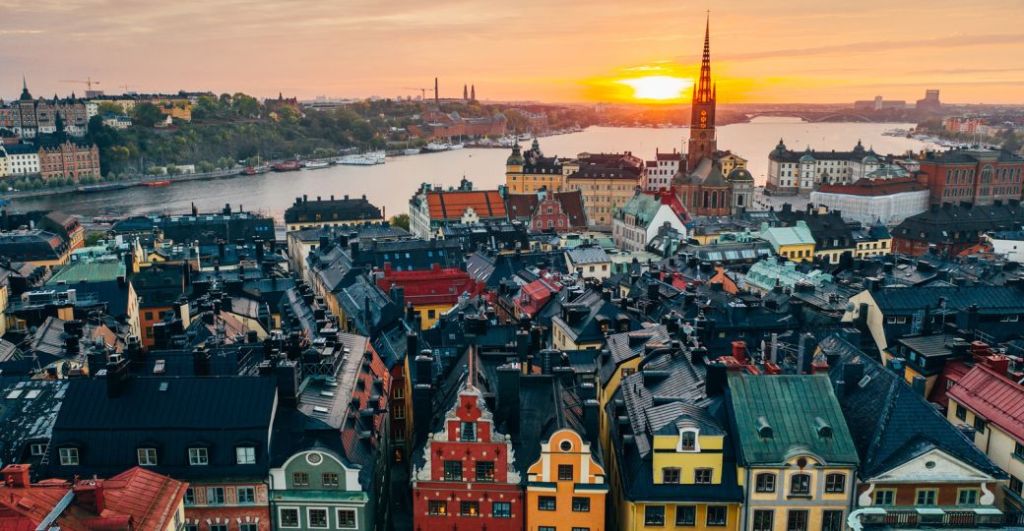
Stockholm’s neighbourhoods are connected through a network of bridges, boulevards, and symbolic roles, forming a city where each district contributes a distinct identity — medieval, commercial, elegant, creative, residential, cultural, or natural — to a unified urban story.
 Hockeywiztravelsblog
Leave a comment