The City of Westminster lies west of the City of London, and is home to world class tourist attractions like Big Ben, the Houses of Parliament, Buckingham Palace and 10 Downing Street. Sightseeing in central London doesn’t get much better than Westminster! Within this London borough you’ll find Covent Garden, Soho and the West End. But for now, we’ll delve into the heart of London’s Westminster, encircled by St James’s, and the River Thames. In this ‘best things to do in Westminster’ guide, we’ll give you a London Walks style whistle stop tour of the must-see historic sites in Westminster, along with some more unusual things to do in Westminster too.
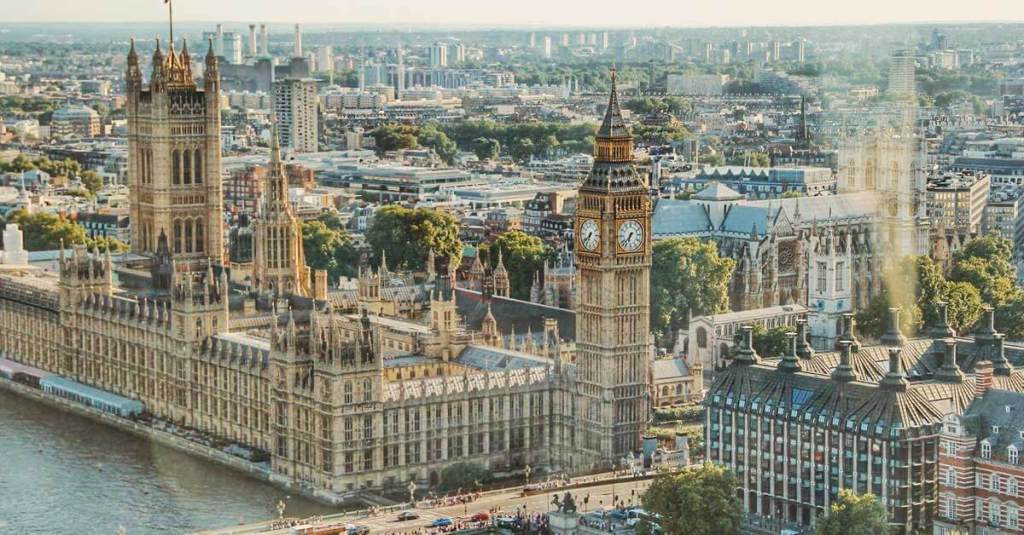
Visit Big Ben and the House of Parliment
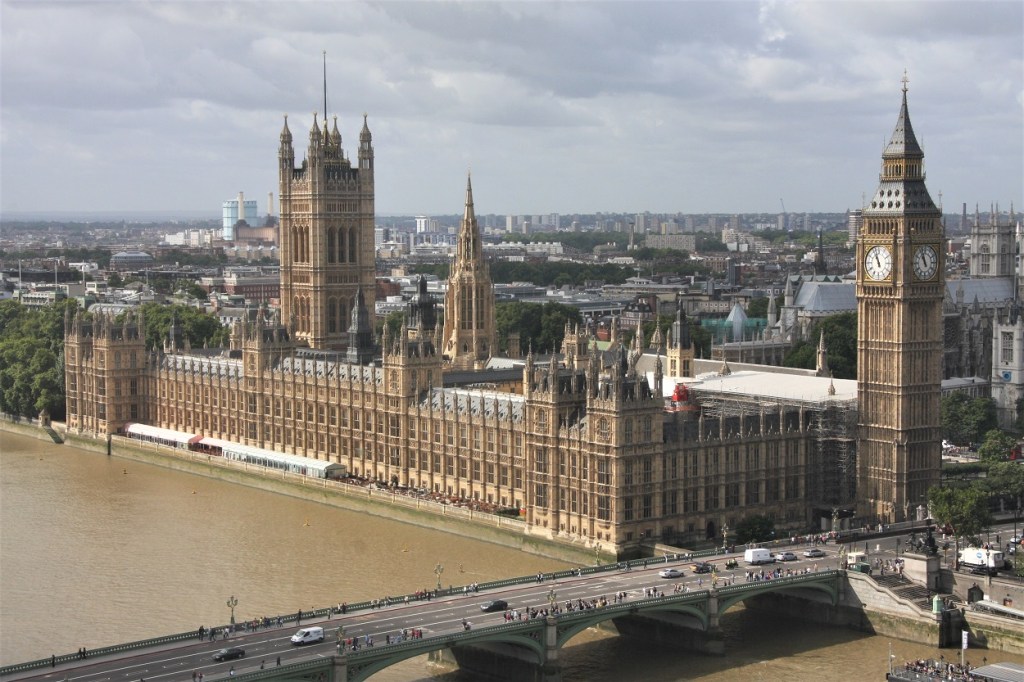
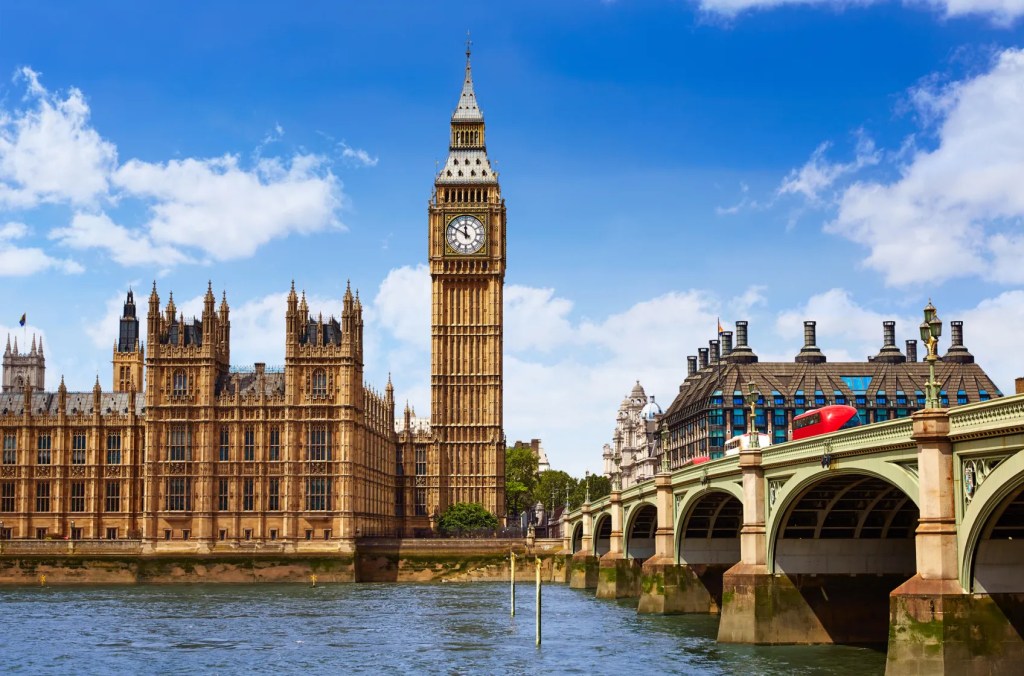
Big Ben, known as the Palace of Westminster, the Houses of Parliament (comprising the House of Commons and the House of Lords) with its Victorian era gothic design, is one of London’s (if not England’s or even Europe’s) most iconic landmarks. Its clock tower is officially named the Elizabeth Tower, but is more commonly known as Big Ben thanks to the 13 ton bell that resides within. In fact, the vital statistics of this London landmark are impressive from every direction. The clock-face is 23 feet in diameter, about the same as a 2 storey house. And each minute hand is 14 feet long – about the same as a London black cab – and it’s made out of hollow copper weighing about 224lbs.
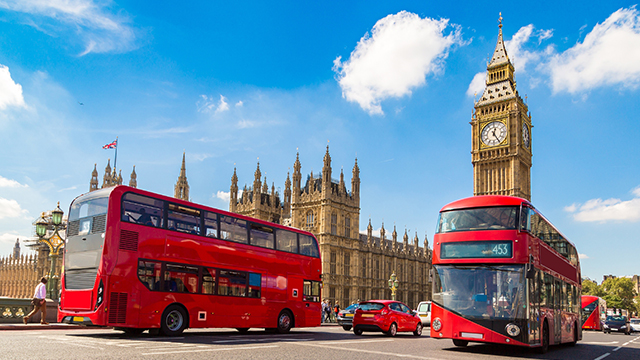
Big Ben and the Houses of Parliament are worth visiting because they’re the symbolic heart of the UK—combining iconic architecture, centuries of political history, and some of the most photogenic views in London. They’re not just landmarks; they’re the ceremonial and democratic core of the country, and standing there gives you a sense of London’s identity that no photo can replicate.
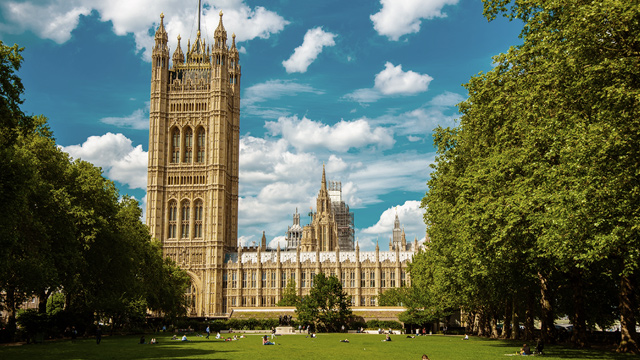
Why Big Ben Is a Must‑See
Big Ben isn’t just a clock—it’s a cultural symbol recognized worldwide.
What makes it special
One of the world’s most famous clocks, instantly recognizable and deeply tied to London’s identity. Historic engineering masterpiece, with a 13‑ton bell and a neo‑Gothic tower completed in 1859. Stunning at night, when all four clock faces glow above the Thames. Freshly restored after its largest conservation project ever, making it look better than it has in decades.
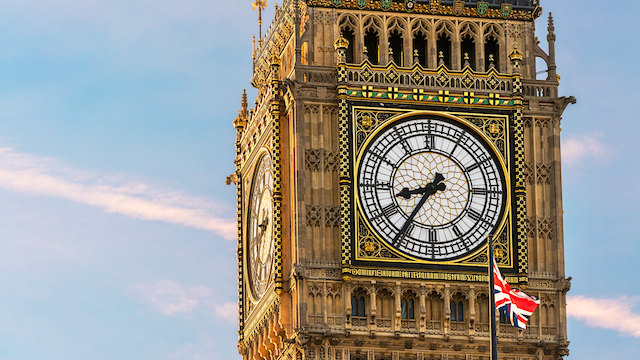
Why Visit the Houses of Parliament (Palace of Westminster)
Reasons it’s worth your time
The center of British democracy, where laws are debated and national decisions are made.
Architectural masterpiece, a vast neo‑Gothic palace rebuilt in the 19th century after a fire.
You can go inside on official tours or even watch debates from public galleries.
A UNESCO World Heritage Site, sitting dramatically on the River Thames.
Why It’s a Perfect Stop on Any London Trip
Top‑rated and world‑famous, consistently listed as a must‑see attraction in London. Incredible photo angles from Westminster Bridge, the London Eye, or across the Thames. Central location near Westminster Abbey, Whitehall, Trafalgar Square, and St James’s Park—ideal for building a ceremonial walking route.
Explore Churchill War Rooms
Deep beneath the streets of Westminster lie the Churchill War Rooms. This underground government nerve-centre is where British Prime Minister, Winston Churchill strategised during World War II. If you’re visiting, here’s a tip from ; look where the ground meets the building. The building stone coming up from the ground for the first 6 feet or so is a completely different colour from the building stone of the rest of the building. This was because it wasn’t there when the building was built in the early 20th century. With the war coming, they ‘roofed’ the bunker with a 3 metre thick slab of protective concrete.
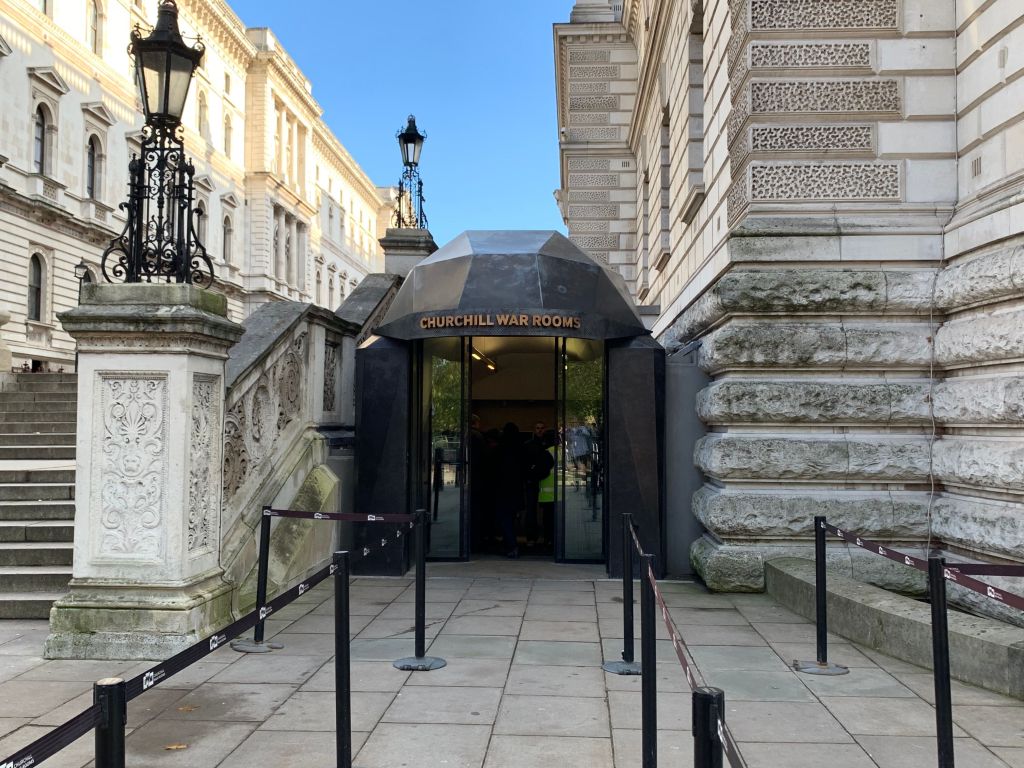
The Churchill War Rooms are one of London’s most immersive, atmospheric, and historically important sites — the actual underground bunker where Winston Churchill and his team directed Britain’s WWII strategy. It’s not a replica or a museum built later; it’s the real wartime nerve‑centre preserved exactly as it was left in 1945, making it one of the most powerful experiences in Westminster.
Why the Churchill War Rooms Are Worth Visiting
1 You walk through the real WWII bunker
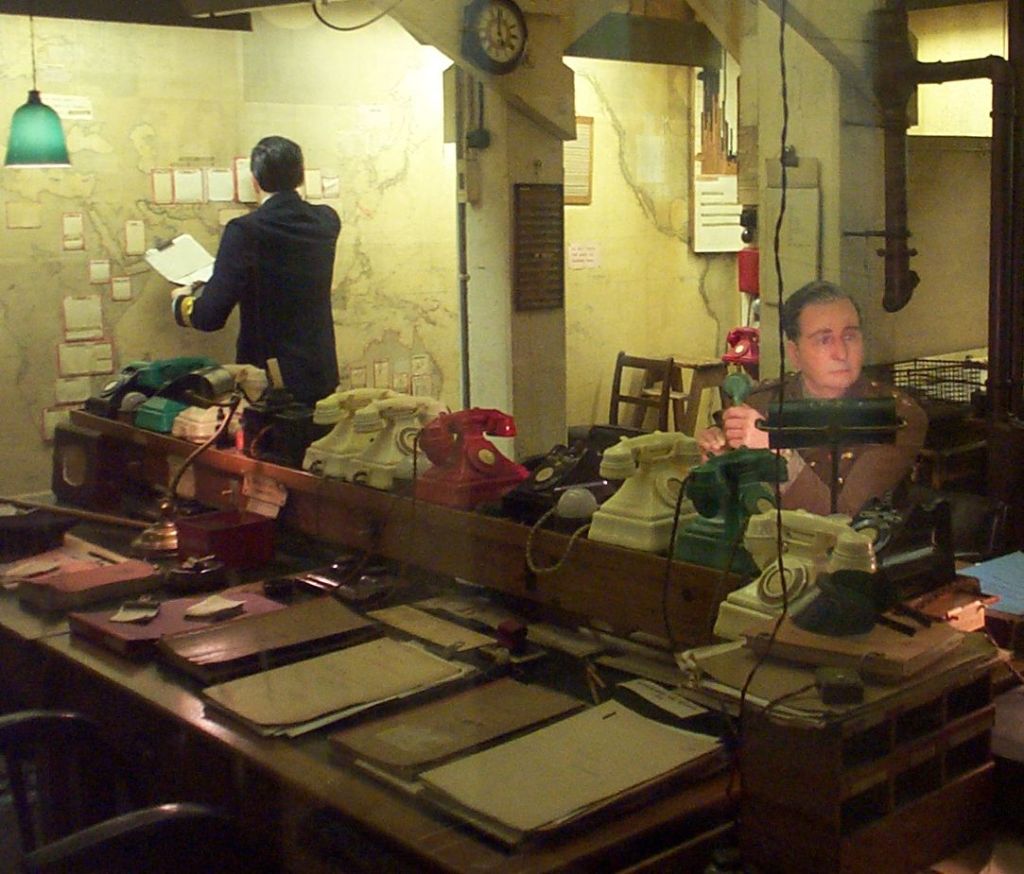
Hidden beneath Whitehall, this was the secure underground headquarters where the British government operated during the Blitz. You see:
The Map Room, frozen in time since August 1945
Churchill’s actual bedroom and office
The Cabinet Room where the war cabinet met
Original phones, maps, and wartime equipment
This isn’t interpretation — it’s the authentic site.
2 You experience Churchill’s leadership up close
The attached Churchill Museum explores his life, speeches, decisions, and contradictions.
Hear his wartime broadcasts
See personal items
Follow his rise, failures, and comeback arc
It’s one of the most complete biographical museums in London.
3 It captures the tension of the Blitz
The rooms are preserved exactly as they were during bombing raids.
You feel the claustrophobia, urgency, and constant pressure the staff lived under — a rare, visceral window into wartime London.

Discover Buckingham Palace
With an astonishing 775 rooms, and welcoming over 50,000 visitors each year, Buckingham Palace is the official residence of the King and where other members of the royal family have private apartments. It’s at Buckingham Palace that you can witness the Changing of the Guard ceremony, as one set of troops takes over responsibility for guarding Buckingham Palace and St. James’s Park. Other highlights are the State Rooms and the gardens, all 42 acres of them, even bigger than Green Park.
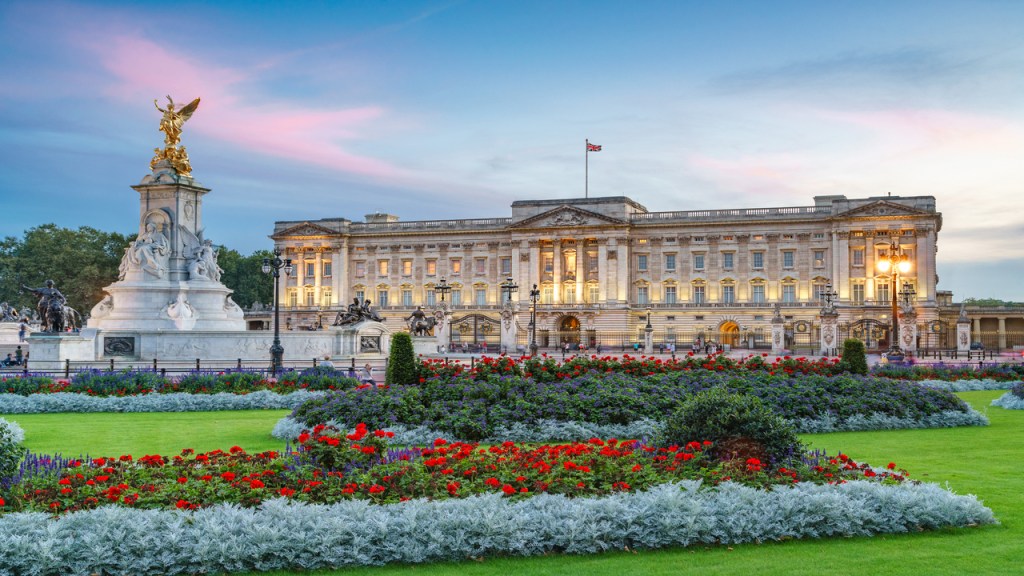
Buckingham Palace is one of London’s most important landmarks — the working home of the British monarch, the ceremonial heart of the UK, and a top‑10 attraction for visitors. It combines royal history, iconic architecture, major public traditions, and access to the famous State Rooms each summer.
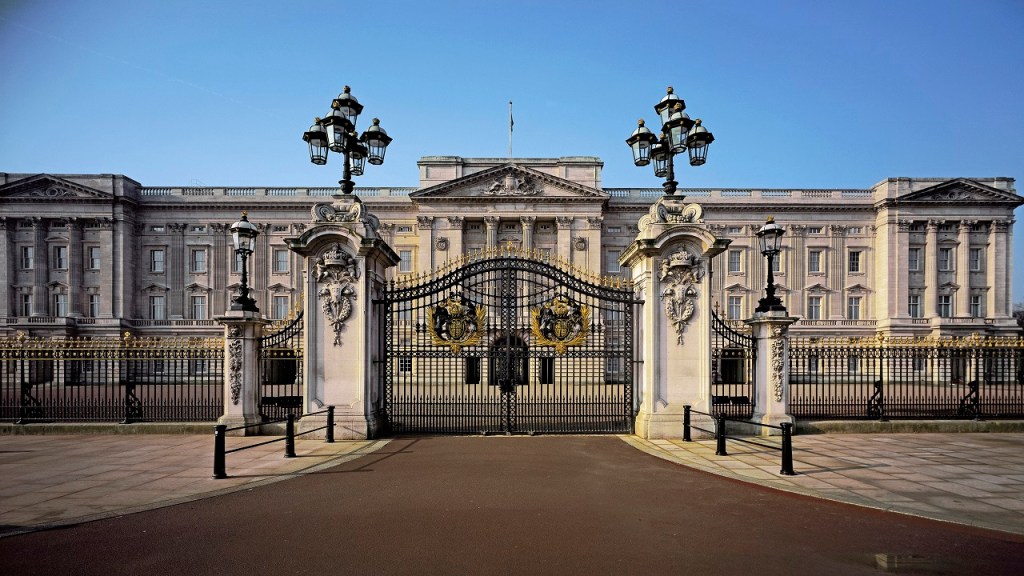
Why Buckingham Palace Is Worth Visiting
1 It’s the official residence of the King
Buckingham Palace is one of the few working royal palaces left in the world.
It’s the center of national celebrations, royal receptions, and major state events.
2 Changing of the Guard
One of London’s most famous traditions happens right outside the gates.
It’s free, highly choreographed, and a signature moment of ceremonial London.
3 The State Rooms (open in summer)
From July to September, you can tour the palace’s 19 State Rooms, filled with masterpieces, chandeliers, and royal décor.
These rooms are used for official events and receptions.

4 Surrounded by three Royal Parks
Buckingham Palace sits at the center of a green ceremonial axis:
- Hyde Park
- Green Park
- St James’s Park
All three are directly connected to the palace.
5 Site of major royal events
The palace is the backdrop for: Trooping the Colour, Royal weddings, National celebrations, and Balcony appearances
It’s the symbolic stage of the monarchy.

6 One of London’s most iconic photo spots
The Victoria Memorial, The Mall, and Canada Gate create some of the most recognizable views in the city.
7 Perfect for a ceremonial walking route
Buckingham Palace is the anchor point for a route connecting:
Trafalgar Square- Whitehall- Westminster- St James’s Park- Hyde Park- Green Park
It’s the hinge between royal power, public ritual, and urban symbolism.

Enter Westminster Abbey
If you’re thinking, “Is it worth going inside Westminster Abbey?” We implore you not to miss out on probably the world’s most impressive and historic church, and certainly the grandest in the United Kingdom. Westminster Abbey is where Britain’s kings and queens have been crowned since 1066. Iconic historic moments, such as the coronation of King Charles III and the wedding of Prince William and Kate Middleton, have taken place at Westminster Abbey. It’s a fusion of Gothic and medieval architecture with so much to see.

Westminster Abbey is one of London’s most important historic sites — a 1,000‑year‑old royal church, the coronation site since 1066, and the burial place of more than 3,000 notable Britons. It’s a UNESCO World Heritage Site and one of the most awe‑inspiring Gothic buildings in Europe.
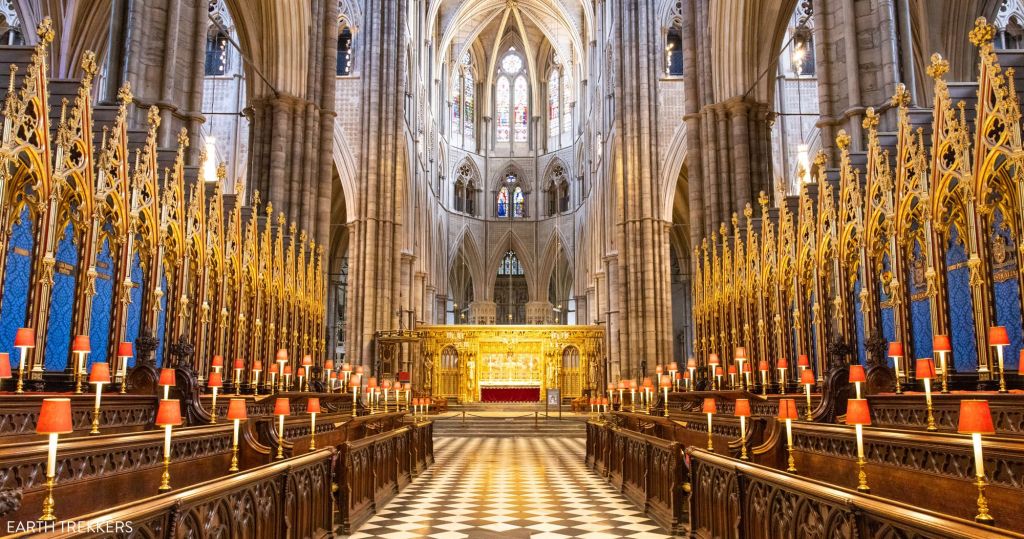
Why Westminster Abbey Is Worth Visiting
1 Burial Place of Over 3,000 Historic Figures
You’ll find tombs and memorials to:
Elizabeth I and Mary I
Edward the Confessor
Isaac Newton
Charles Darwin
Poets’ Corner (Shakespeare, Dickens, Tennyson, etc.)
This makes the Abbey a three‑dimensional encyclopedia of British history.

2 Masterpiece of Gothic Architecture
The Abbey’s soaring nave, intricate stonework, and medieval chapels make it one of the most impressive churches in the English‑speaking world.
3 Site of Major Royal Events
The Abbey has hosted 16 royal weddings, State funerals and National services of remembrance; It’s the ceremonial heart of the nation.
4 Over 1,000 Years of History
Founded around 960 AD, rebuilt by Edward the Confessor in the 1040s, and expanded through the Middle Ages, the Abbey is a living timeline of British identity.
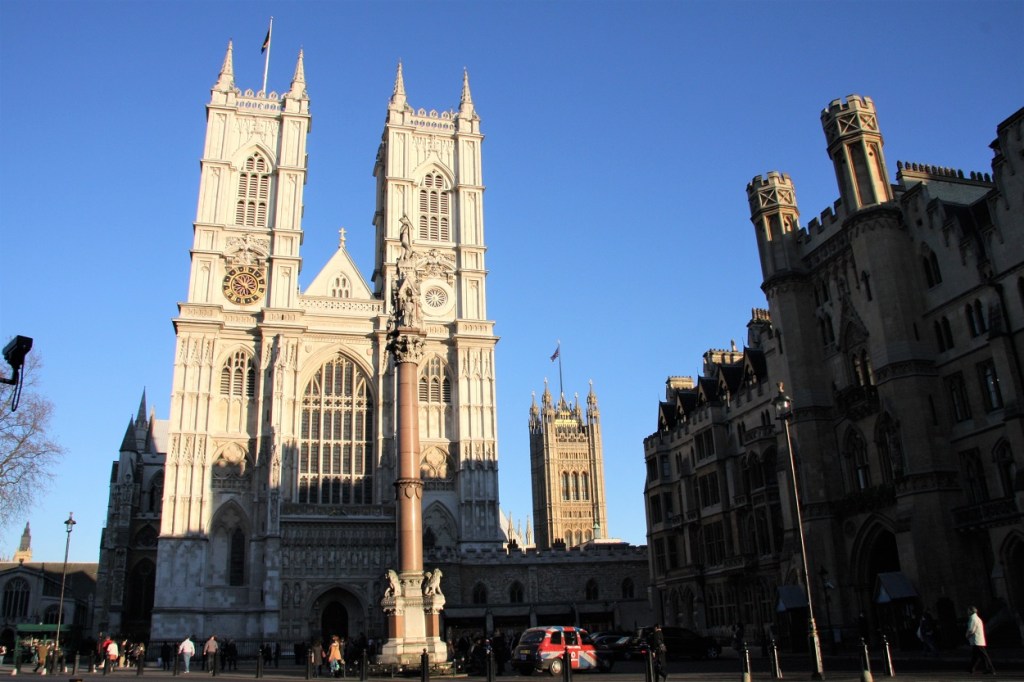
Admire the Statues + Views from Westminster Bridge
At Westminster Bridge, don’t miss the statue of Boudica (or Boudicca or Boadicea), Queen of the Iceni, who led an uprising against the conquering forces of the Roman Empire in AD 60. Triumphal, in her chariot, Boudica is immortalised in bronze. Nearby, you can also see the eternal face-off between Oliver Cromwell and King Charles I, with Cromwell’s statue on Cromwell Green facing the bust of King Charles on St. Margaret’s Church. Complete your round-up of historical figures at Parliament Square, where replicas of Winston Churchill, Abraham Lincoln and Nelson Mandela reside. A bit further on, there’s Trafalgar Square which hosts Lord Nelson, King George IV, General Sir Charles James Napier and General Sir Henry Havelock.
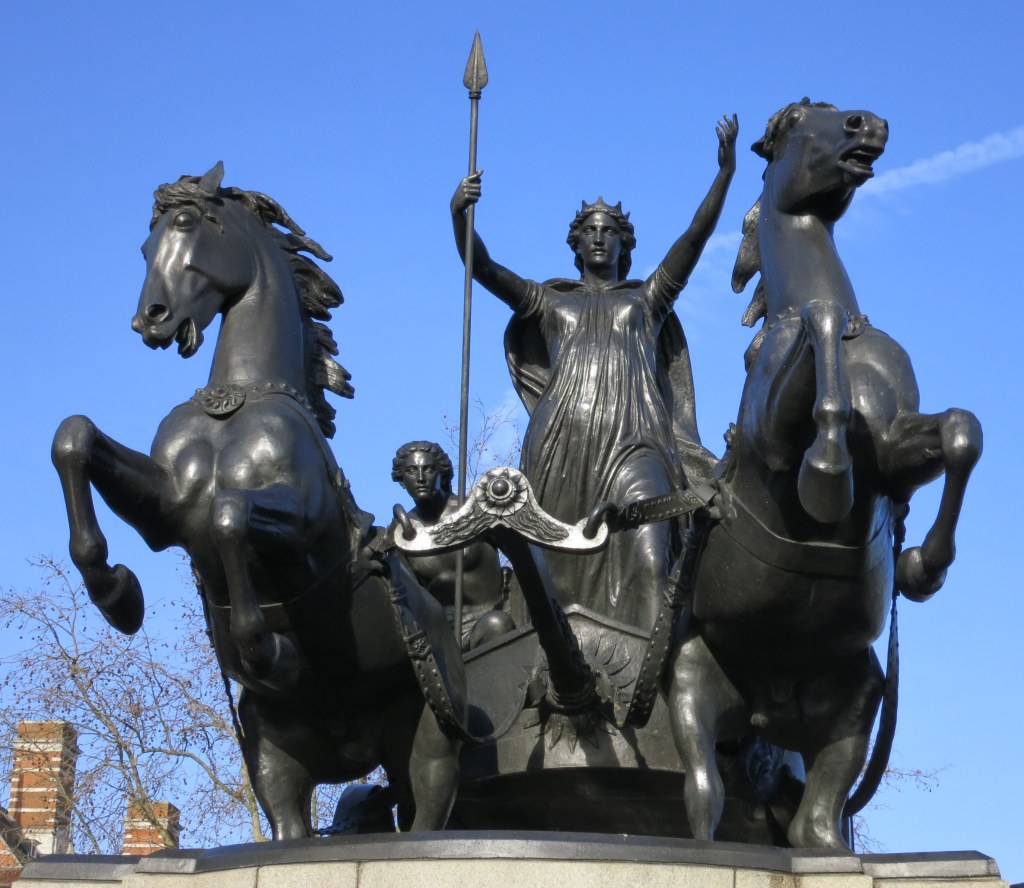
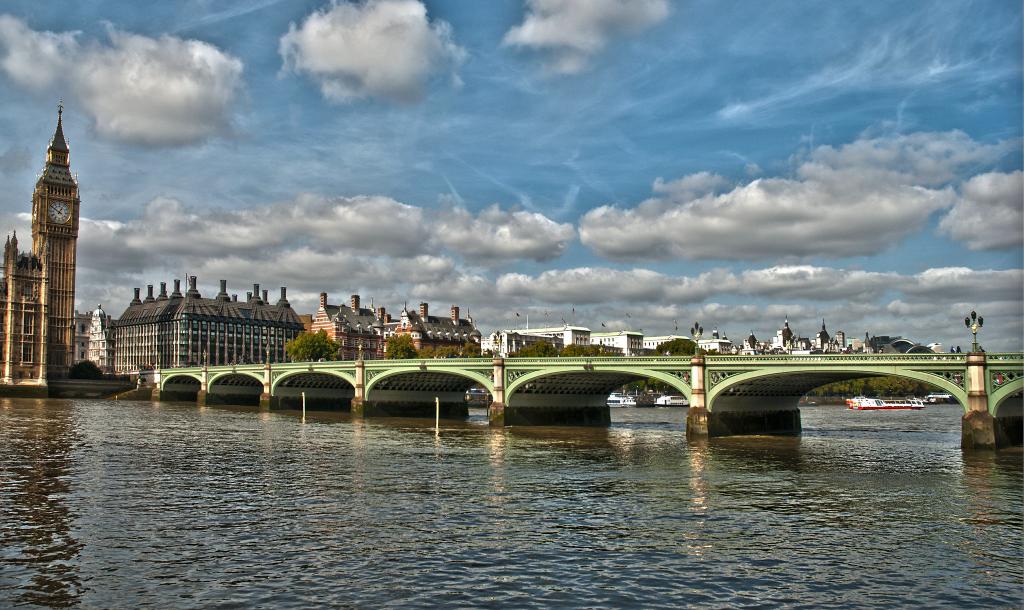
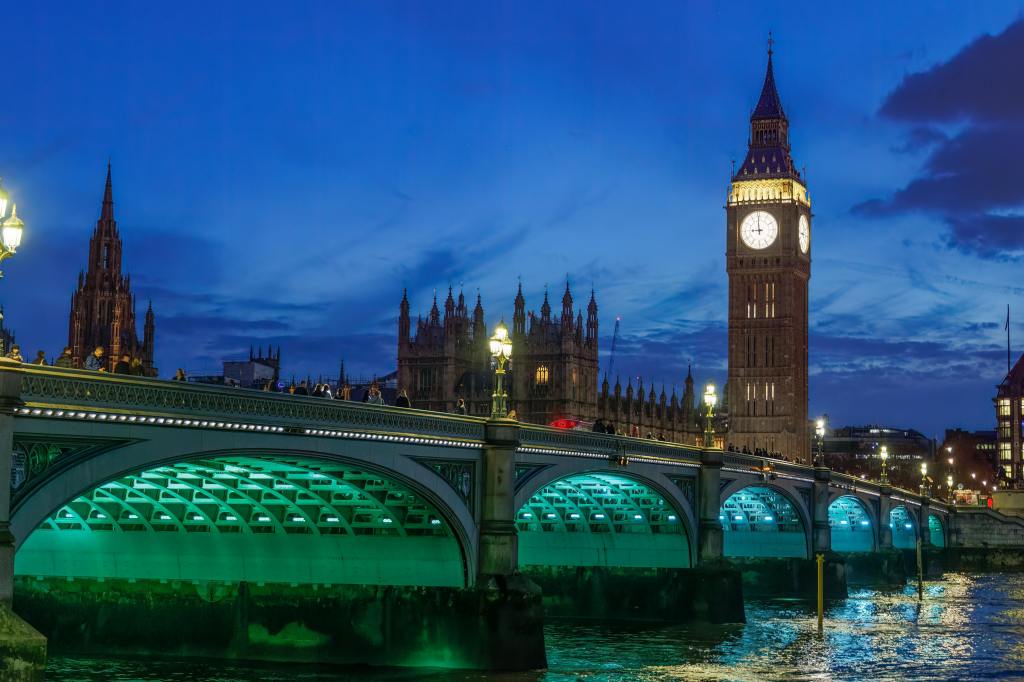
Westminster Bridge is one of the best places in London for panoramic views — giving you a perfect line of sight to Big Ben, the Houses of Parliament, and the London Eye. It’s also a historic 19th‑century landmark and one of the most photographed spots in the city.
Why Westminster Bridge Is Worth Visiting
1 The Best Views in Westminster
Westminster Bridge gives you unmatched photo angles in both directions:
North: Big Ben + Houses of Parliament towering over the Thames
South: The London Eye and County Hall
East/West: Classic Thames river views
Travelers consistently highlight the bridge as a top photo spot.
2 A Front‑Row Seat to London’s Icons
Standing on the bridge places you at the intersection of London’s most important landmarks:
Big Ben
Palace of Westminster
Westminster Abbey (a short walk away)
London Eye
Whitehall & Downing Street
It’s the perfect hinge point for your ceremonial London overlays.
3 A Historic Structure
The current bridge opened in 1862, designed by Thomas Page.
It’s a Grade II* listed structure, meaning it’s nationally protected for its architectural significance.
Its seven arches and green ironwork echo the color of the House of Commons benches.
Westminster Walking Tour Itinerary
Westminster is one of the richest, most symbolically layered districts in London, and it fits perfectly with the way you like to build narrative‑driven urban overlays. This itinerary gives you a 2–3 hour walking route that blends ceremonial power, royal ritual, political history, and iconic views, all in a tight, beautifully walkable loop. Below is a structured, story‑driven Westminster walking tour that matches your style.
Westminster Walking Tour Itinerary
1 Start at the Parliament Square
It’s the symbolic crossroads of the UK — statues of Churchill, Mandela, Gandhi, and others frame the square.
What to notice:
- The contrast between Parliament’s Gothic revival and the modern political statues
- The way the square acts as a civic stage for protest, celebration, and remembrance
2 Big Ben & Houses of Parliament
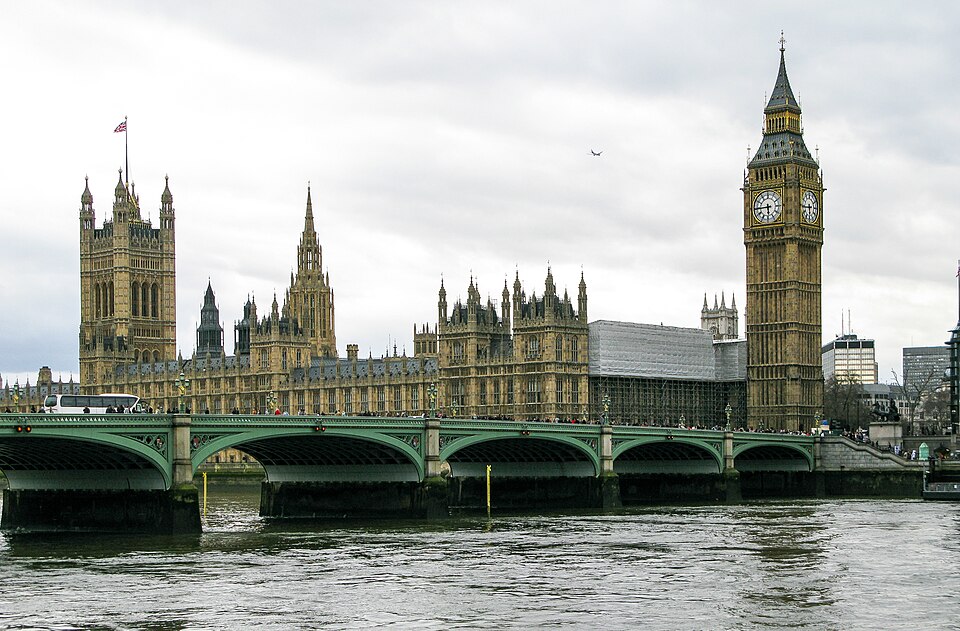
Stand on the corner facing the Thames for the classic view. This is the heart of British democracy and the anchor of the Westminster ceremonial axis.
3 Westminster Bridge
See panoramic views of Big Ben + Parliament, London Eye, and Thames river sweep; a perfect place for photos and orientation.
4 Westminster Abbey
The Abbey is the counterweight to Parliament — the sacred partner to political power.
Key highlights include Coronation Chair, Poets’ Corner, Tombs of monarchs and scientists, and Henry VII Lady Chapel.
5 Churchill War Rooms
Descend into the underground bunker where WWII strategy was directed. This is the “hidden London” layer beneath the ceremonial surface.
6 St James’s Park (Walk the Broadwalk)
Walk through one of London’s most beautiful royal parks. The lake frames a perfect view back toward the palace and the Foreign Office.

7 Buckingham Palace & Victoria Memorial
Approach from St James’s Park for the most cinematic reveal. The Victoria Memorial acts as the ceremonial pivot of the entire district.
If timing aligns, you might be able to watch the Changing of the Guard. During the Summer (July–Sept), State Rooms tours are available.
8 Walk the grand ceremonial boulevard used for royal parades. inish under Admiralty Arch, looking toward Trafalgar Square.
 Hockeywiztravelsblog
Leave a comment